
How to Handle the Roof of Mobile Toilets
The handling of the roof of mobile toilets should be chosen based on specific scenarios and requirements, with common approaches including installation, illegal construction rectification, and leak repair.
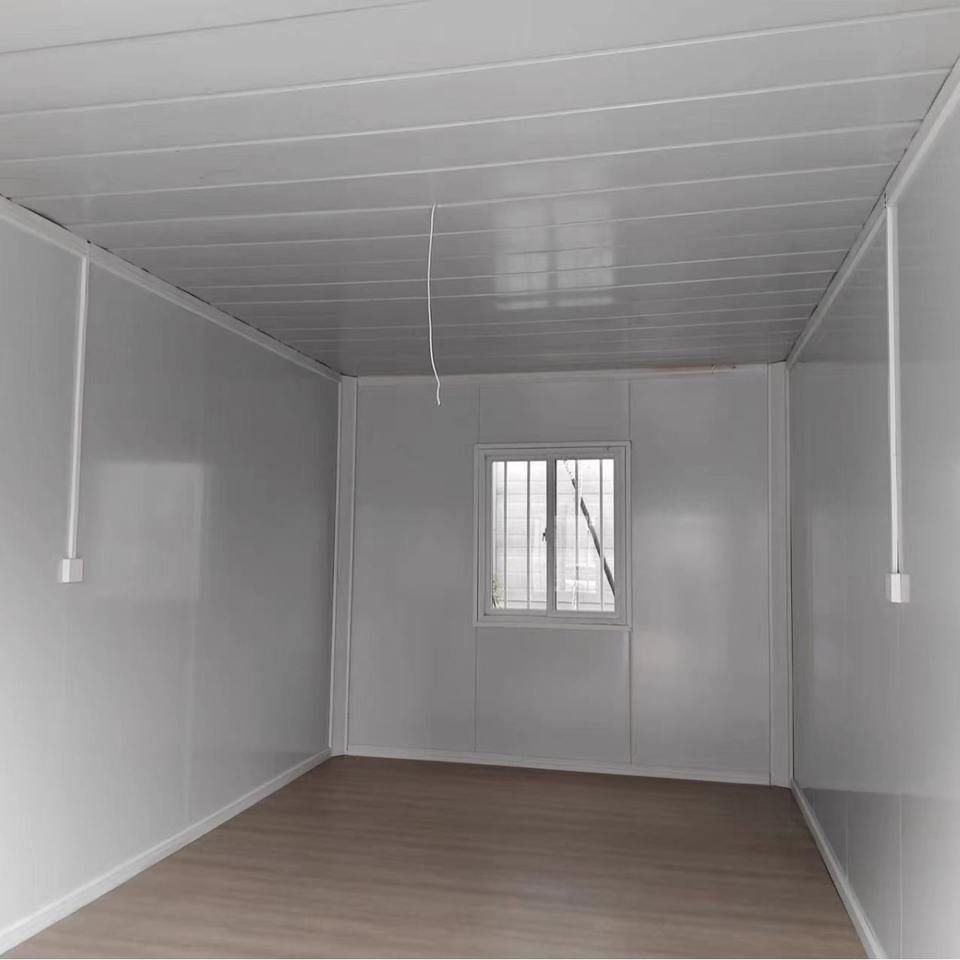
Installation Handling: Balancing Structural Safety and Functionality
For thatched-roof mobile toilets, a lightweight structure should be adopted during installation, with enhanced waterproofing and anti-corrosion properties. Foundation Treatment: Choose a flat and solid foundation, and lay anti-corrosion wood or concrete slabs to prevent subsidence. Skeleton Construction: Use aluminum alloy or stainless steel materials, and secure them with expansion bolts or ground nails to ensure an anti-wind rating of at least level 8. Thatch Selection: Use synthetic thatch soaked in fire-retardant and anti-corrosion agents, with a roof slope of at least 30° for effective drainage. Seal the joints between the roof and walls with weather-resistant sealant, and install waterproof membranes at the bottom. Mobile Design: If frequent movement is required, install heavy-duty casters (with a load capacity of at least 500kg) or embed rails. Use quick-release designs for water and electricity connections, and select corrugated hoses for drainage pipes for easy extension.
Illegal Construction Handling: Demolition and Restoration in Accordance with the Law
If a mobile toilet is installed on public spaces such as rooftops without approval, it constitutes illegal construction. Such illegal structures not only encroach on public resources but may also pose safety hazards due to structural overload or falling objects. Handling Process: Relevant departments should issue legal documents such as a "Notice of Conversation" and a "Notice of Rectification" to the parties involved, requiring them to rectify and demolish the structure within a specified time limit and restore the public space to its original condition.
Leak Handling: Precise Location and Targeted Repair
When the roof of a mobile toilet leaks, immediately stop using it and turn off the water supply. After clearing the accumulated water, locate the leak by observing the duration of the leak and the path of the water droplets. Common Leak Points: Include pipe connections, valves, sprinklers, water tanks, etc. Repair measures should be selected based on the type of leak:
- For leaks at pipe connections, tighten the nuts or replace the sealing gaskets.
- For leaks from sprinklers, replace them with new ones.
- For leaks from water tanks, check and replace the sealing rings.
- If the leak cannot be repaired by oneself or the location of the leak is unclear, contact professional maintenance personnel for handling.
The handling of the roof of mobile toilets in different scenarios should strictly adhere to technical specifications or laws and regulations to ensure a balance of safety, compliance, and functionality.



