
How to Handle Defecation in Mobile Toilets
The methods for handling defecation in mobile toilets vary depending on their types, as detailed below:
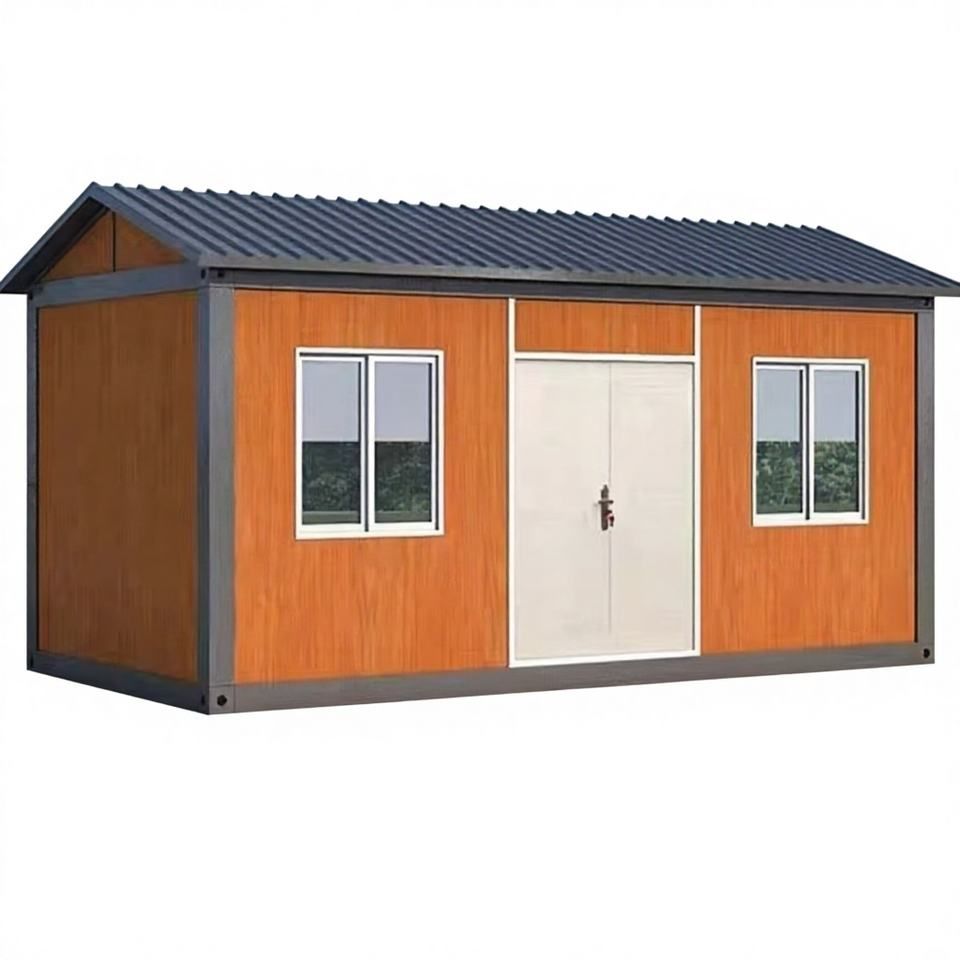
Water-flush and Non-water-flush Suction Mobile Toilets: Water-flush mobile toilets are equipped with a flushing mechanism inside, with a water tank typically located at the top and a sewage tank at the bottom. After defecation, the waste is flushed into the sewage tank using the flushing mechanism. Non-water-flush mobile toilets, on the other hand, lack a flushing mechanism, and the waste is directly collected in the sewage tank at the bottom. For both types of mobile toilets, due to the relatively small capacity of the sewage tank, timely suction is required after reaching a specified number of users to prevent overflow and ensure normal operation.
Recirculating Water-flush Mobile Toilets: These mobile toilets are equipped with intermittent aerobic and anaerobic treatment devices for fecal wastewater, along with the addition of biological strains. They utilize biofilm technology to accelerate the fermentation and decomposition process of fecal wastewater, which is then filtered and recirculated for flushing the toilet fixtures. This approach not only conserves water resources but also achieves effective treatment of fecal wastewater.
Dry-pack Mobile Toilets: This type of mobile toilet lacks a flushing mechanism, and the waste is collected in biodegradable plastic bags located beneath the toilet fixtures. After each use, the system automatically replaces the plastic bag with a new one, ensuring hygiene and convenience. After use, these plastic bags are collected and transported to a treatment plant for disposal.
Foam-sealing Mobile Toilets: These mobile toilets use foam generated from a foaming liquid mixture to replace traditional toilet flushing. The sidewalls of the toilet fixtures are equipped with foam channels, and compressed air is delivered through a conveyor pipe to a foam activator, causing the foam to cover the inner sides of the toilet bowl and block odors. This system primarily relies on collecting hand-washing water to meet its foaming water requirements.
Microbial Mobile Toilets: Waste enters a solid-liquid separation device through an automatically opening toilet bowl, where urine and feces are separately filtered and separated. The feces enter a fermentation tank and are mixed with initial ingredients, sawdust, and biological strains, decomposing into carbon dioxide and water under the action of microbial bacteria. The urine enters a comprehensive treatment system and is processed into reclaimed water through aeration, evaporation, decolorization, and other processes, which is then used to flush the urinal, forming a recycling loop.



