
Back to blog
Article
How to Flush Public Mobile Toilets
Admin October 02, 2026
The flushing methods for public mobile toilets mainly fall into three categories: manual flushing, automatic sensor flushing, and waterless or water-saving flushing. Here are the specific operating methods and precautions:
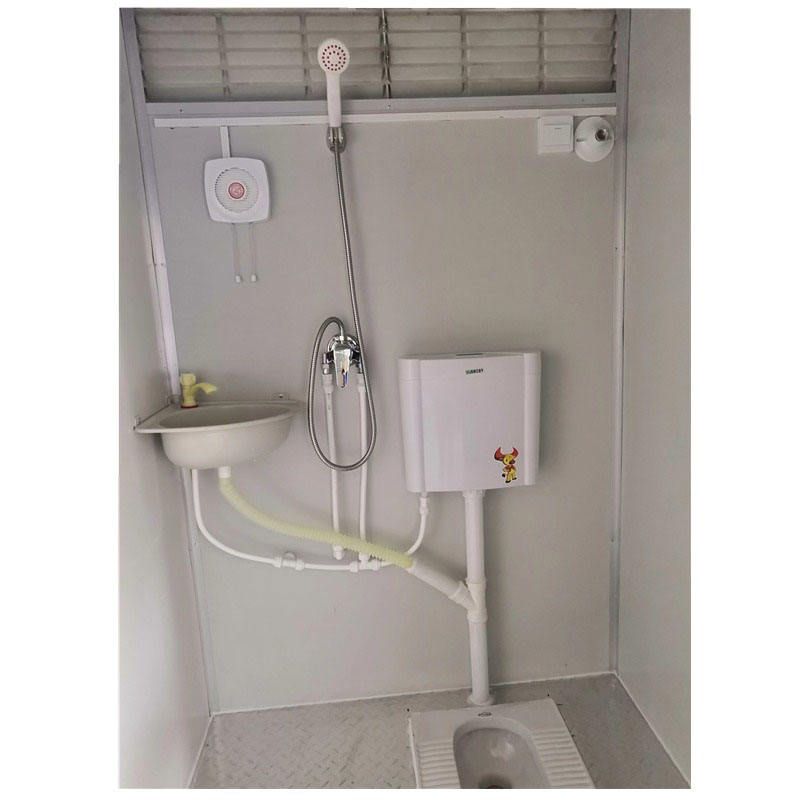
1. Manual Flushing
Manual flushing is the most common type in public mobile toilets, usually triggered by pressing a button, pulling a lever, or stepping on a pedal.
- Push-button type: After pressing the button on the water tank, the tank automatically releases water to flush the toilet, with an adjustable flush volume (generally 4-8 liters per flush). Ensure the button is fully pressed during use to avoid incomplete drainage due to improper operation.
- Foot-pedal type: Mechanical lever drainage is triggered by stepping on the pedal, avoiding hand contact, with a flush volume of about 3-6 liters per flush. Step firmly to the bottom during use to ensure complete flushing.
- Lever type: Pulling the lever on the side completes the flushing, commonly found in early-designed mobile toilets. The operation is similar to the push-button type, and the lever must be reset for the next use.
2. Automatic Sensor Flushing
Automatic sensor flushing is triggered by an infrared sensor detecting the user's departure, commonly found in high-end mobile public toilets.
- Operating Principle: After the sensor detects the departure of the human body, the system automatically releases 2-5 liters of water to complete the flushing, requiring no manual operation, which is both hygienic and water-saving.
- Precautions: If the sensor fails (e.g., due to light interference or equipment failure), look for an emergency button on the side for manual flushing or contact the management personnel for handling.
3. Waterless or Water-saving Flushing
For areas with water scarcity or environmental protection needs, some mobile toilets adopt waterless or water-saving technologies:
- Foam-sealing type: Foaming agents generate foam to cover excrement, forming a sealed layer to isolate odors, consuming only about 0.1 liters of water + foaming agent per use, eliminating the need for traditional flushing.
- Vacuum suction type: Utilizing negative pressure principles to suck waste into a storage tank, consuming only 0.5-1 liters of water per flush, commonly used in the mobile applications of airplane or high-speed rail toilets.
- Screen-pedal type: Combining foot-pedal and screen operations, users trigger flushing by stepping on the pedal, while the screen displays water consumption or remaining water volume, enhancing water-saving awareness.
Usage Suggestions:
- Prioritize choosing clearly labeled flushing methods to avoid misoperation;
- Ensure proper operation during manual flushing to avoid residues;
- Contact management personnel promptly in case of equipment failure and do not forcefully damage it;
- Use foaming agents or cooperate with the vacuum system according to instructions for water-saving toilets to ensure normal functionality.



