
How to Flush a Portable Toilet for Home Use
Flushing a portable toilet for home use requires a systematic cleaning process that combines waste disposal, deep cleaning, and equipment maintenance. The specific steps are as follows:
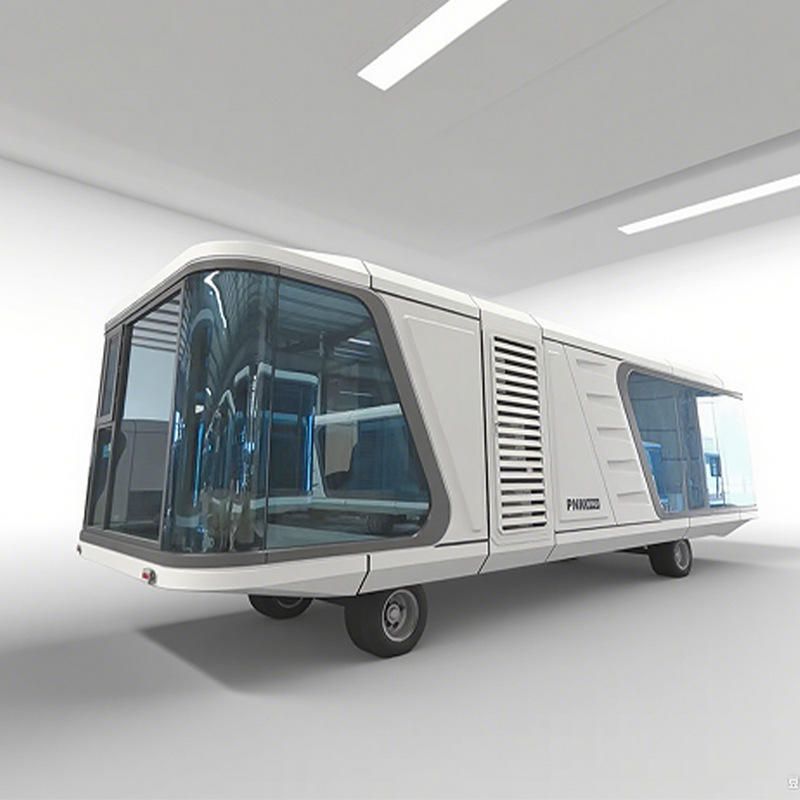
Waste Collection and Harmless Treatment
The core cleaning step for a portable toilet is to promptly empty the waste collection device, such as a septic tank or collection bucket. Use specialized tools to transfer the waste to a sealed container and transport it to a harmless treatment site designated by the local environmental protection department. Do not dump it randomly to avoid polluting the soil or water sources. Some high-end models are equipped with automatic suction functions, which can simplify this step, but it is still necessary to ensure proper pipe connections.Deep Cleaning of Internal Surfaces
- Basic Wiping: Wet a soft cloth with a diluted neutral cleaner (such as a disinfectant cleaner containing quaternary ammonium salts) and wipe the inner walls of the toilet, the seat, the walls, the floor, and the sink, etc., focusing on removing organic stains such as urine and fecal stains.
- Stubborn Stain Removal: For old stains or scale, use a soft-bristled brush with an acidic cleaner (such as a citric acid solution) to scrub locally. Avoid using hard objects such as steel wool to prevent damage to the surface coating.
- Enhanced Cleaning of High-Frequency Contact Areas: Areas such as the toilet flush button, door handles, and handrails should be repeatedly wiped with alcohol wipes or chlorine-based disinfectants (such as 84 disinfectant, diluted at a ratio of 1:100). Ensure the disinfectant acts for at least 5 minutes to kill common pathogens such as Escherichia coli and Staphylococcus aureus.
Air Environment Optimization
- Ventilation System Operation: Start the exhaust fan or ventilation device that comes with the portable toilet and keep it running for more than 30 minutes to accelerate the diffusion of odors. If the equipment does not have active ventilation, open the doors and windows to create airflow.
- Deodorizer Use: Place solid deodorizing blocks in the corners of the toilet or spray enzyme-based biological deodorizers to decompose odor molecules such as ammonia and hydrogen sulfide rather than simply masking the odor.
Supply Replenishment and Equipment Inspection
- Consumable Replenishment: Check the stock of toilet paper, hand soap, garbage bags, etc., and reserve 20% more than the maximum usage to avoid sudden demands.
- Equipment Function Testing: Verify one by one whether the lighting, flushing, ventilation, and other systems are functioning properly. Focus on checking whether the flushing pressure meets the standard (usually ≥0.15MPa). If abnormal noises or leaks are found in the water pump, stop using it immediately and contact after-sales service.
External Maintenance and Record Management
- Shell Cleaning: Use a high-pressure water gun to rinse the dust on the surface of the shell, avoiding electrical connection areas to prevent short circuits. Stubborn stains can be wiped with car wax to form a protective film.
- Maintenance Log Update: Record information such as cleaning time, waste disposal volume, and equipment abnormalities to provide a basis for adjusting subsequent maintenance cycles (for example, shorten the disinfection interval to every 2 days in summer).
Precautions: Different models of portable toilets may have differences (such as the operational differences between electric and manual flushing systems). Be sure to read the instruction manual or consult the supplier before operation to avoid equipment damage caused by misoperation.



