
How to Flush a Portable Toilet
The methods for flushing portable toilets vary depending on their types, mainly including the following situations:
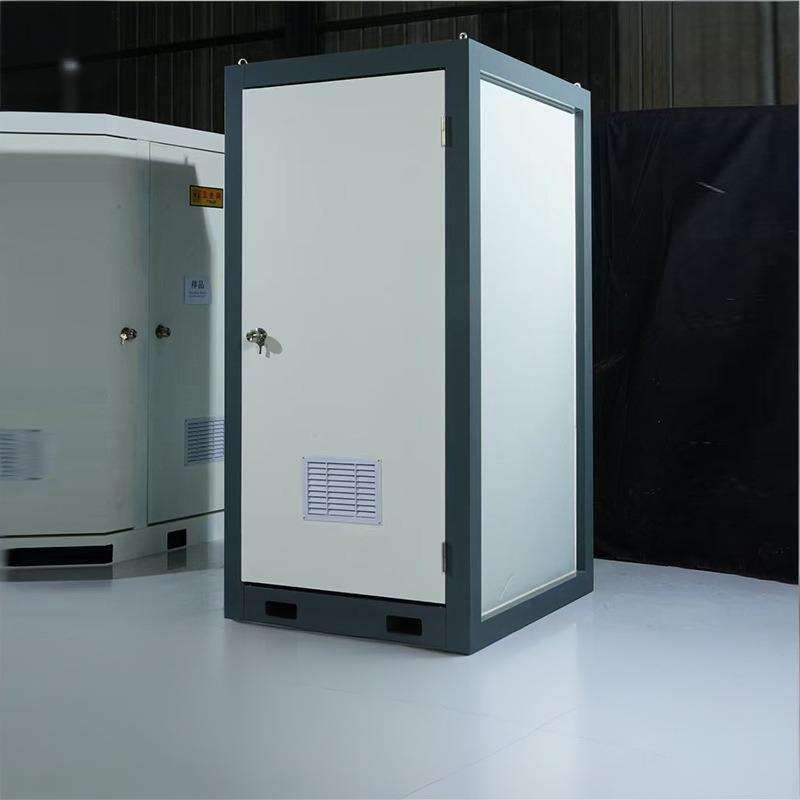
Portable Mobile Toilets
Portable mobile toilets are usually designed simply and can hold water inside. Before use, you need to fill the toilet with water. After excretion, the stored water inside is used to create a flushing effect. The flushing principle is that by pressing or using a specific operation method, water is flushed out from the toilet to carry the waste into the black water tank below. After use, there is a buckle device at the corresponding position of the black water tank. Press the buckle to remove the black water tank. Then, take the black water tank to an appropriate waste disposal location, empty the waste, clean it, and reinstall it in its original position for subsequent use. This type of portable toilet is suitable for outdoor activities, temporary construction sites, and other scenarios. It is easy to carry and move, but the black water tank needs to be cleaned regularly.
Mobile Toilets
Mobile toilets are generally equipped with flush tanks, which is a relatively common way to flush toilets. The flush tank stores a certain amount of water. When flushing is needed, by operating the flush button or lever and other devices, the water in the flush tank is quickly flushed into the toilet under pressure to carry away the waste. This flushing method is similar to the flushing principle of traditional household toilets and can provide a relatively strong flushing force to ensure the cleanliness of the toilet. Mobile toilets are usually used in public places such as large event venues and scenic spots. The capacity of their flush tanks is reasonably designed according to the number of users and the frequency of use to ensure that they can meet the flushing needs within a certain period of time.
Fully Intelligent Toilets
Fully intelligent toilets are highly automated. When a person approaches a fully intelligent toilet, it will automatically sense and open the toilet lid for the user to sit down. When the user sits down, the toilet will perform the first flush. The purpose of this flush is to prevent feces from sticking to the walls and keep the inner walls of the toilet clean. After the user gets up and leaves the toilet, the toilet will automatically perform the second flush to completely carry away the waste. In addition, fully intelligent toilets also take into account power outages. When there is no power, they can use backup batteries to continue maintaining functions such as automatic flushing. If the backup batteries are also out of power, manual flushing can be carried out by rotating a specific button on the toilet to ensure normal use in any situation.


