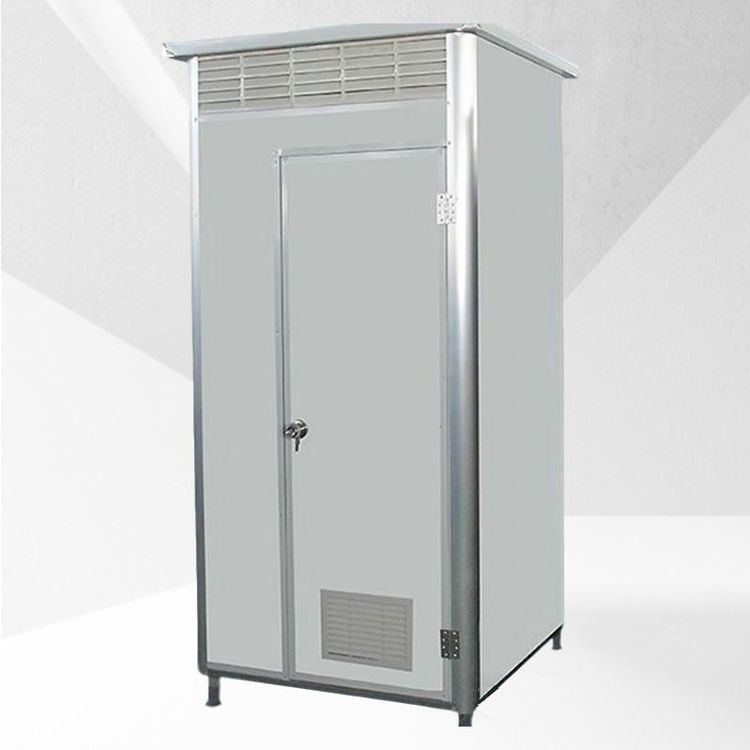
How to Drain a Home Portable Toilet
There are various drainage methods for home portable toilets, including conventional water-flushing, vacuum sewage systems, water-storage sewage systems, water-flushing and waterless-flushing suction types, recirculating water perforation, and dry-packaging types.

Conventional Water-Flushing: This is a relatively common drainage method that requires connection to water supply and drainage pipes. During use, manual operation or automatic sensing devices are used to achieve sewage discharge, with the sewage being directly discharged into a septic tank or municipal sewer network. This drainage method is suitable for environments with water supply, has relatively low construction costs, and is simple to operate, offering a user experience similar to that of ordinary household toilets.
Vacuum Sewage System: It operates using the principle of negative pressure. A vacuum pump generates negative pressure to rapidly suck sewage and waste into a collection container. When the sewage reaches a preset water level, the system automatically activates for sewage discharge. This method is highly efficient, uses a small amount of water, effectively prevents sewage leakage and odor diffusion, and is suitable for places with high hygiene requirements and limited water usage.
Water-Storage Sewage System: Waste is discharged into a water storage tank through water flushing. When the sewage reaches a preset water level, the flushing device automatically activates. However, when the water storage tank is full, it needs to be promptly cleaned and replaced, making it more suitable for places with an adequate water supply and easy cleaning.
Water-Flushing and Waterless-Flushing Suction Types: Water-flushing types are equipped with a water-flushing device, with the water tank usually placed on top of the toilet and a sewage tank at the bottom; waterless-flushing toilets have no flushing device, and the bottom sewage pool directly receives excrement. Due to the small capacity of the sewage pool, when the number of users reaches a specified amount, timely pumping and flushing operations are required.
Recirculating Water Perforation: This method is equipped with an intermittent aerobic and anaerobic fecal sewage treatment device. Biological strains are added, and biological membrane technology is used to accelerate the fermentation and decomposition of fecal sewage. The treated sewage is recirculated back to the toilet sanitary ware through a filtration device, greatly saving water resources and suitable for families with high requirements for water resource protection.
Dry-Packaging Type: This type of portable toilet has no flushing device, and feces are received by a recyclable plastic bag at the lower part of the toilet. After each use, the system automatically replaces it with a new plastic bag, and the collected plastic bags are transported to a treatment plant for processing, requiring no water flushing at all. It is suitable for scenarios with water shortages or extremely high environmental protection requirements.