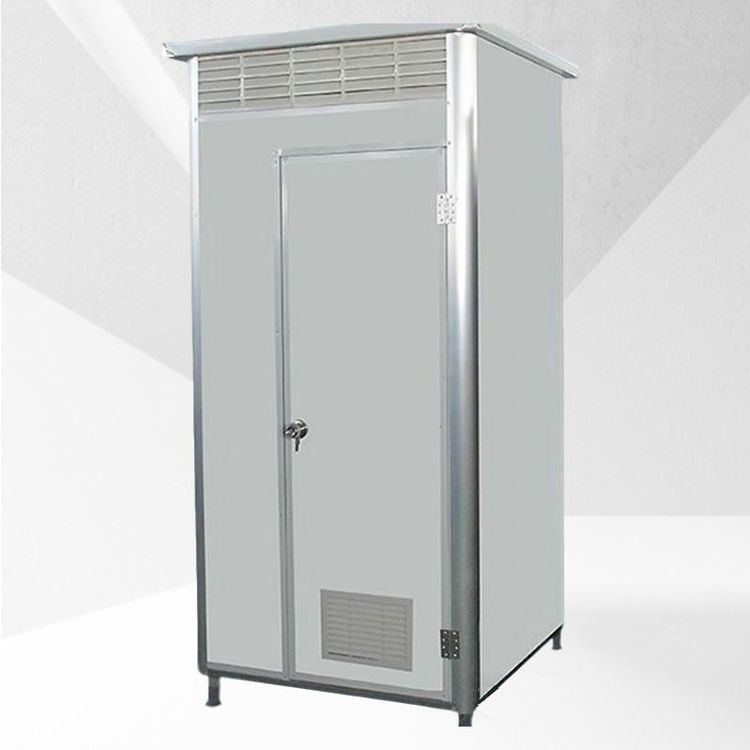
How to Dispose of Mobile Toilets
The final disposal methods for mobile toilets are diverse, depending on their type, usage scenarios, and supporting facilities. Common methods include the following:

1. Discharge or Further Treatment After Chemical Processing
Chemical treatment involves adding agents such as chlorine gas and sodium hydroxide to decompose waste, control odors, and promote decomposition. If the treated liquid meets sewage discharge standards, it can be directly discharged into the municipal sewage system; if not, it requires further treatment through specialized equipment (such as filtration and disinfection) to ensure harmlessness before discharge. This method is suitable for temporary urban events or areas with complete water and electricity conditions.
2. Anaerobic Digestion and Resource Utilization
Anaerobic digestion utilizes microorganisms to decompose waste, producing biogas (usable for power generation or heating) and organic fertilizer (usable for agriculture or horticulture). The treated residue, after passing inspection, can be used as a soil conditioner or organic fertilizer, achieving resource recycling. This method is suitable for rural areas, remote construction sites, and other scenarios requiring long-term autonomous treatment with sufficient land resources.
3. Compression Storage and Centralized Transfer
Compression equipment reduces waste volume, delaying treatment needs, suitable for temporary scenarios such as camping and remote construction sites. The compressed waste needs to be regularly transferred by specialized vehicles to sewage treatment plants or landfills to avoid long-term retention and pollution. This method relies heavily on transportation and subsequent treatment facilities.
4. Manual Cleaning and Centralized Disposal
Mobile toilets equipped with fecal storage tanks or buried septic tanks require regular manual cleaning. The cleaned waste is transported to sewage treatment plants, fecal treatment stations, or agricultural land for harmless treatment and utilization. This method has lower costs but requires strict management of cleaning frequency and transportation processes to prevent secondary pollution.
5. Mechanical Treatment and Ecological Recycling
Mechanical treatment uses solid-liquid separation, decomposition, and disinfection equipment to convert waste into harmless substances. For example, microbial treatment decomposes feces into fertilizer through microorganisms, and purifies urine into reclaimed water for reuse, forming an ecological cycle. This method is environmentally friendly and efficient but has high equipment costs, suitable for high-end scenic spots or ecological projects.
6. Agricultural Utilization or Landfilling (Alternative)
If the treated waste meets organic fertilizer standards, it can be directly used for farmland or greening; if not, it can be landfilled as an alternative. However, landfilling is limited by land resources and may pollute groundwater, requiring careful selection.
The choice of disposal method should comprehensively consider usage scenarios, foot traffic, water and electricity conditions, and environmental protection requirements. For example, chemical or mechanical treatment is preferred for urban events; compression storage or anaerobic digestion is suitable for remote construction sites; and rural areas can combine agricultural utilization for resource recycling.