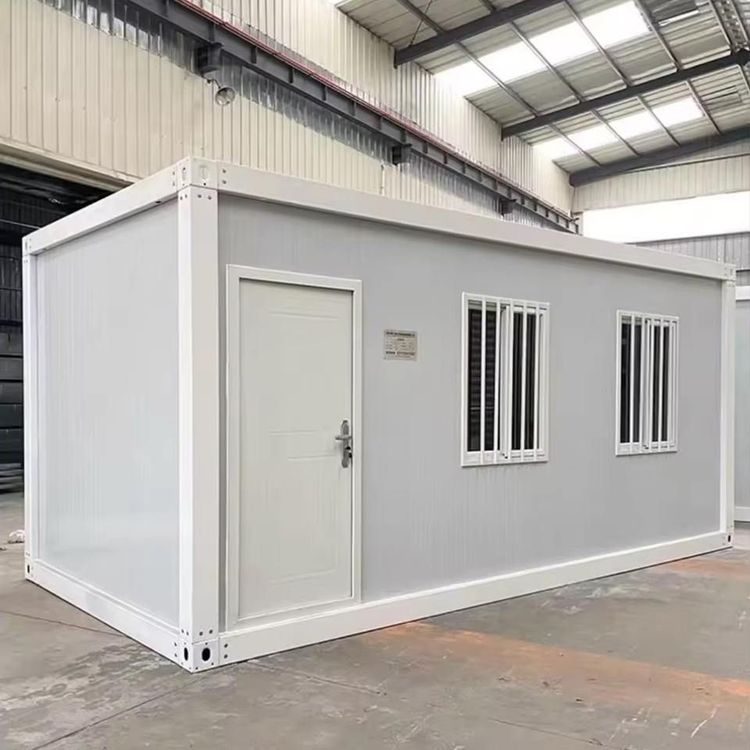
How to Dismantle a Mobile Toilet
The dismantling of a mobile toilet should be carried out step by step according to its type and structure, with the core process including four stages: preparation, disconnection of connections, decomposition of the main body, and handling and cleaning.

I. Preparation
- Safety measures: Turn off the water and power supply (if equipped) of the toilet to avoid electric shock or water leakage accidents during the dismantling process.
- Tool preparation: Prepare tools such as wrenches, screwdrivers, and hammers according to the toilet structure for dismantling bolts, connectors, etc.
- On-site warning: Set up warning signs around the dismantling area to prevent unauthorized personnel from entering and ensure operational safety.
II. Disconnection of Connections
- Separation of water and electricity: Disconnect the water inlet pipe, water outlet pipe, and electrical connections. Mark the positions of wire connectors (e.g., with labels or different colors) for quick reconnection during subsequent reinstallation.
- Removal of fasteners: Use a wrench to loosen the anchor bolts and separate the toilet body from the ground. If the bolts are rusted, spray a loosening agent to assist in dismantling.
III. Decomposition of the Main Body
- Modular toilets:
- Dismantle layer by layer in the order of "roof panel - wall panel - chassis", paying attention to protecting the edges of the panels to avoid deformation caused by bumps.
- Remove internal facilities (such as partitions, commodes, water tanks, etc.), and package reusable components separately to prevent damage.
- Integrated toilets:
- If it is a box-type structure, first disconnect the water, electricity, and sewage pipes, and then use lifting equipment (such as forklifts) to remove the entire unit.
- For toilets with patented slot structures, the process can be simplified, but it should be operated according to the specific technical plan to avoid damage to components caused by forced dismantling.
IV. Handling and Cleaning
- Component organization: Stack the dismantled components neatly. Lightweight panels can be stacked, and heavy components should be placed separately for easy transportation and storage.
- On-site cleaning: Clean up residual debris, sewage, or solid waste on the ground to keep the site clean and avoid environmental pollution.
Key influencing factors: Toilet type (integrated toilets are usually dismantled faster due to modular design), complexity of supporting facilities (e.g., sewage pipe connections will increase time), and professionalism of the operation team (professionals can improve efficiency and reduce the risk of damage). Precautions: Before dismantling, be sure to refer to the product manual or consult the manufacturer to avoid component damage or safety accidents caused by improper operation; some patented designs should strictly follow the technical plan and should not be modified arbitrarily.