How to Demolish Prefabricated Houses
The demolition of prefabricated houses requires classification and handling based on actual circumstances. Only those that meet specific conditions will be demolished, and this must be done in strict accordance with legal procedures.
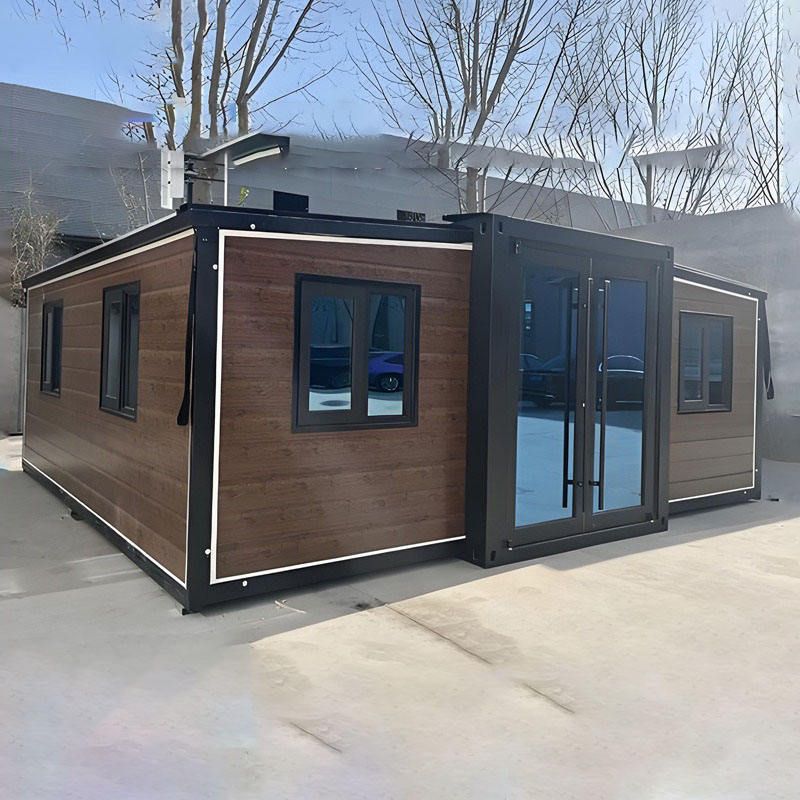
I. Types of Prefabricated Houses That Must Be Demolished
Dangerous Houses with Damaged Main Structures
If the main structure of a prefabricated house is damaged and cannot be repaired through renovation, according to the "Standard for Appraisal of Dangerous Houses" (JGJ 125 - 2016), houses rated as Class D are considered whole-building dangerous houses. Their load-bearing structures have failed, and the overall risk is extremely high, necessitating demolition. For example, when prefabricated panels develop severe cracks, deformations, or fractures, rendering the house unsafe for habitation, they meet such conditions.Houses Unable to Withstand Natural Disasters
Some prefabricated houses, although their main structures are undamaged, lack sufficient earthquake or flood resistance capabilities and cannot withstand earthquakes, floods, or other disasters. Such houses in disaster-prone areas will be prioritized for demolition to ensure the safety of residents. For instance, prefabricated houses located in earthquake zones that do not meet seismic fortification standards may collapse during earthquakes due to structural fragility and thus need to be demolished.Houses Affecting Urban Planning
If a prefabricated house is located within the scope of municipal planning land, such as for the construction of high-speed railways, road widening, or elevated bridges, it must be demolished. Such demolitions are driven by public interest needs and are usually accompanied by compensation and resettlement measures. For example, in urban renewal projects, prefabricated houses within the planned red line need to make way for infrastructure.
II. Compliance Requirements for the Demolition Process
The demolition of prefabricated houses must strictly follow legal procedures, and relevant departments must not operate arbitrarily. The process typically includes:
- House Appraisal and Assessment: Professional institutions conduct inspections on the safety and seismic resistance of the house and issue appraisal reports to determine whether it falls within the scope of mandatory demolition.
- Public Announcement and Hearing: The decision to demolish must be publicly announced, and hearings must be organized to safeguard the homeowner's right to know and appeal.
- Compensation and Resettlement Negotiation: Compensation plans, including monetary compensation or property exchange, are negotiated with the homeowner to ensure their legitimate rights and interests are not compromised.
- Administrative Approval and Execution: Demolition can only be carried out after obtaining approval from planning and housing construction departments to avoid illegal operations.
III. Precautions
During the demolition process, attention must be paid to safety protection to avoid causing harm to the surrounding environment or personnel. Meanwhile, homeowners should retain relevant evidence, such as house property certificates and appraisal reports, to safeguard their rights and interests. If there are objections to the demolition decision, administrative reconsideration or litigation can be pursued.