How to Customize Container House
Customizing a container house requires comprehensive consideration of multiple factors, including design, material selection, structural performance, installation, and compliance.

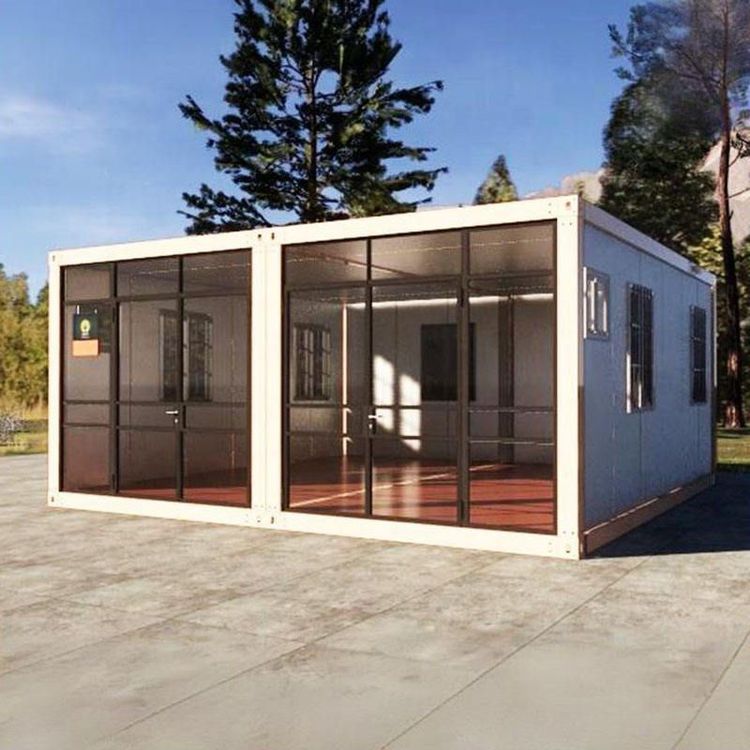
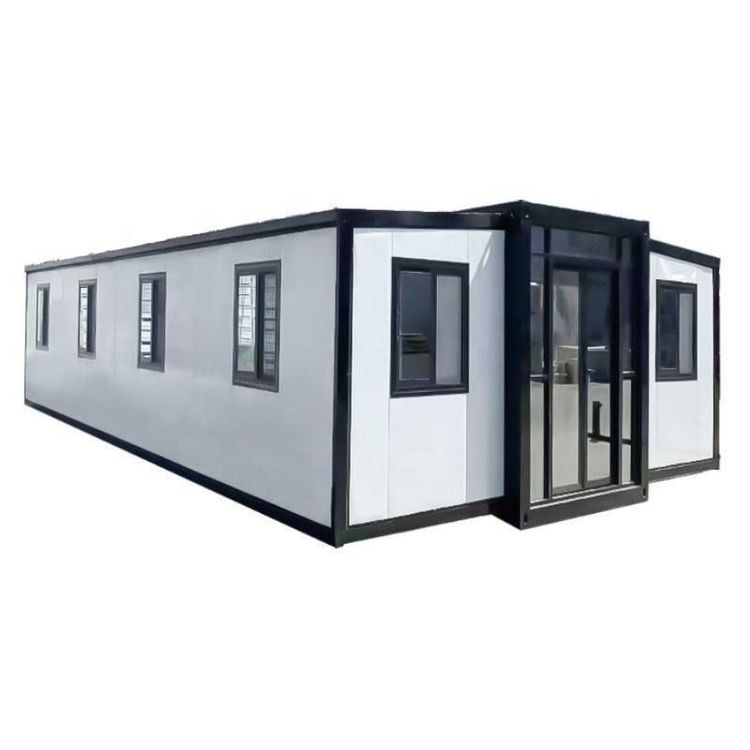
Design: Clearly define the purpose and requirements, as different scenarios such as temporary offices, accommodations, or commercial displays have varying demands for spatial layout and functional modules. Design should emphasize flexibility. For example, trendy container houses can freely combine structures, materials, and functional modules, from selecting the framework to customizing functional modules, and can create diverse shapes with unique exterior walls and roofing systems to meet personalized needs.
Material Selection: Common container houses are classified into three types based on materials: aluminum alloy, steel, and fiberglass-reinforced plastic. Aluminum alloy is lightweight, aesthetically pleasing, and corrosion-resistant but expensive and has poor welding performance. Steel offers high strength, sturdy structure, and low cost but is heavy and has poor corrosion resistance. Fiberglass-reinforced plastic has high strength, large internal volume, and is easy to clean but is heavy and prone to aging. Choose the appropriate material based on actual needs and budget.
Structural Performance: Pay attention to wind resistance, earthquake resistance, and load-bearing capacity. Product performance varies among manufacturers. For example, Suzhou Zhongnan's packing boxes have a wind resistance rating of 12 and an earthquake resistance rating of 8, while CIMC's standard container houses have a wind resistance rating of 11 and an earthquake resistance rating of 7. In extreme conditions, prioritize verifying product wind and earthquake resistance test reports to ensure safety. Additionally, consider the house's lifespan, which generally lasts about 20 years, and ensure it has good waterproofing, leak prevention, and fire resistance. Request relevant test reports from the manufacturer.
Installation: Different scenarios have varying requirements for installation efficiency. Engineering camps require rapid delivery. Suzhou Zhongnan's quick-assembly boxes take only 2 hours to install a single unit, support on-demand combination, and can complete the construction of 10 standard dormitories in one day. CIMC's standard container houses take 3 hours to install a single unit, with limited layout adjustments. Choose products and manufacturers with standardized installation processes that can meet project deadlines.
Compliance: Understand official approval procedures to ensure the project is legal and compliant. Additionally, select manufacturers with qualifications and good reputations, such as Shandong Dongchuang Integrated Housing Co., Ltd., which has passed multiple certifications and independently developed multiple patents, demonstrating strong capabilities.