
How to Color Mobile Toilets
The coloring of mobile toilets can be achieved through three processes: gel coat coloring, spray painting, and film application. The specific plans and key measures are as follows:
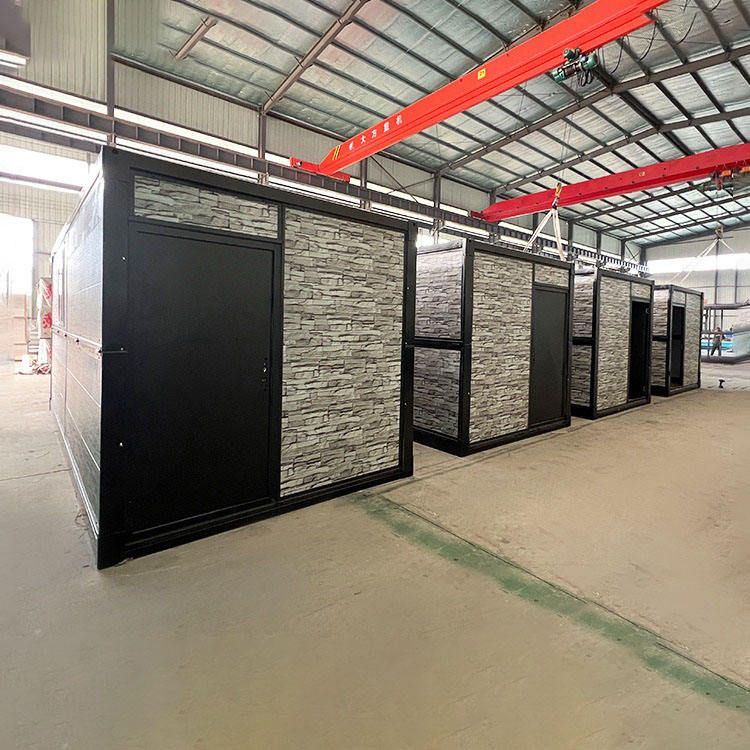
I. Process Plan Selection
Gel Coat Coloring (Best Option)
Before spraying the gel coat layer on the mold surface, mix the color paste into the gel coat material in proportion. After curing, the color is evenly distributed within a surface layer thickness of 0.4-0.6mm. This process, as the color is embedded within the material rather than being a surface coating, offers the best durability, capable of long-term resistance to ultraviolet rays, scratches, and chemical corrosion. Laboratory QUV artificial accelerated aging tests show that after 3000 hours, the color difference Δe ≤ 3.0 (slight change), and the gloss loss rate ≤ 20%, equivalent to 5-8 years of outdoor use.Spray Painting (Second Option)
After the product is demolded, spray automotive-grade acrylic polyurethane paint or fluorocarbon paint on the surface. This process offers a wide range of color choices, enabling special effects such as gradient colors and metallic paints. However, the paint layer is only 0.05-0.1mm thick, making it prone to peeling off when exposed to ultraviolet rays or mechanical friction for extended periods, requiring regular maintenance.Film Application (Temporary Option)
Using outdoor removable vehicle wraps, this method offers the advantages of vivid colors and the ability to change them at any time. However, it has poor durability (1-2 years) and is prone to edge lifting or damage due to environmental factors such as high temperatures and humidity, making it suitable for temporary or short-term use scenarios.
II. Key Quality Assurance Measures
Material Selection
- Use high weather-resistant color pastes (such as those from BASF and Clariant in Germany) and isophthalic/neopentyl glycol-type gel coats, adding ultraviolet absorbers (such as UV-531 and Tinuvin series) to enhance anti-aging performance.
- Special color treatment: Dark colors require double the amount of ultraviolet absorbers or a double-layer structure; fluorescent/pink colors are recommended only for indoor environments; metallic paints require an additional clear coat protective layer and are more difficult to repair.
Process Control
- For gel coat coloring, strictly control the mixing ratio of color paste to gel coat to ensure color uniformity.
- The spray painting process should be carried out in a dust-free environment to avoid particle contamination and control the paint layer thickness to balance aesthetics and durability.
- Before applying the film, thoroughly clean the surface to ensure it is free of oil or dust, extending the service life.
Testing and Verification
Simulate outdoor environments through QUV artificial accelerated aging tests to verify color stability and material durability, ensuring the product meets long-term use requirements.



