How to Collect Waste from Mobile Toilets
Collecting waste from mobile toilets requires following standardized procedures to ensure hygiene and environmental protection. The specific steps are as follows:

I. Immediate Handling After Use
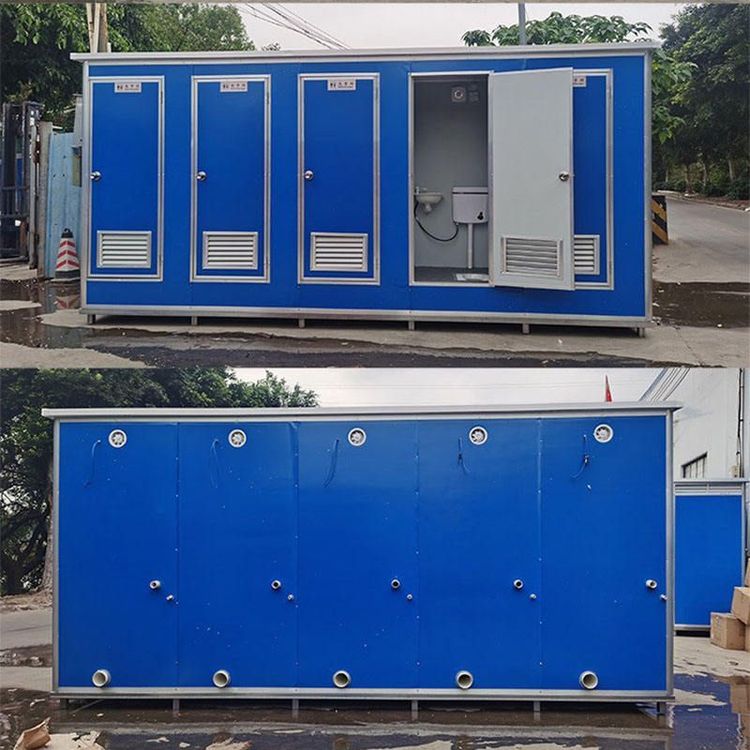
After use, immediate preliminary sealing of the waste is necessary. If the mobile toilet is equipped with a dedicated waste bag or collection bag, tightly seal the bag opening to prevent odor diffusion. If it has a lid, promptly close it to block odor escape. For fecal matter, the mainstream approach is to use a portable toilet or fecal collection bag, add a coagulant or deodorant after defecation, seal it, and place it in a dedicated waste bag for removal. If using biodegradable equipment such as a 'vehicle-mounted packing toilet', microorganisms will convert fecal matter into stable solids and liquids. After separating the liquid, handle it according to regulations, while the solid portion is either recycled by a professional agency or disposed of as instructed. Flush-type mobile toilets flush waste into an integrated bottom storage tank, while packing-type toilets seal waste in dedicated collection bags and buckets, and biodegradable types undergo initial decomposition within the tank.
II. Equipment Cleaning and Deodorization
After removing the sealed waste, thoroughly clean the equipment. Use a damp cloth with dish detergent or a specialized cleaner to wipe the toilet bowl or inner bucket. For stubborn stains, use a cleaner containing decontamination and disinfection ingredients, or a natural combination of baking soda and white vinegar. If the equipment contains electronic components, avoid direct rinsing with water; simply wipe with a damp cloth. To prevent odors, place a small amount of deodorizing gel or disinfectant pad inside the bucket before each use.
III. Drying and Inspection
After cleaning, ensure all critical parts, especially folding joints and around electronic components, are completely dry to prevent bacterial growth or metal part rusting. Regularly check if folding joints are loose to ensure structural stability.
IV. Final Disposal Methods
- Professional suction and removal: A fecal suction truck equipped with a vacuum suction pump connects a dedicated hose to the mobile toilet's suction port, forcefully suctioning the waste from the storage tank into the tanker. It is then transported to a designated urban sewage treatment plant or fecal treatment center for centralized harmless treatment.
- Packing-type toilet disposal: Remove the sealed waste bags/buckets as a whole and transport them as special solid waste to a qualified waste treatment station for harmless incineration or landfill.
- Biodegradable product disposal: After full decomposition, it can be handed over to a professional agency for use as green compost.