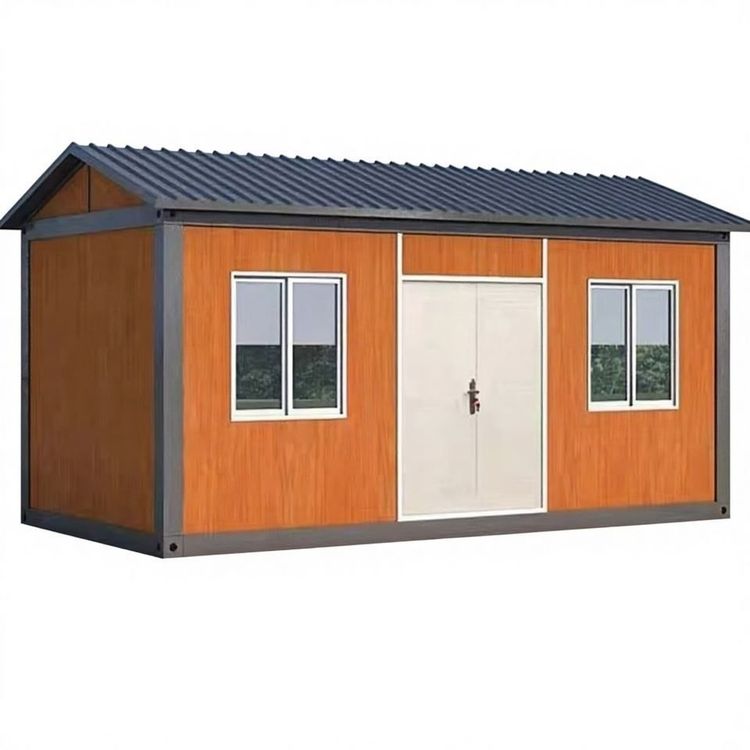
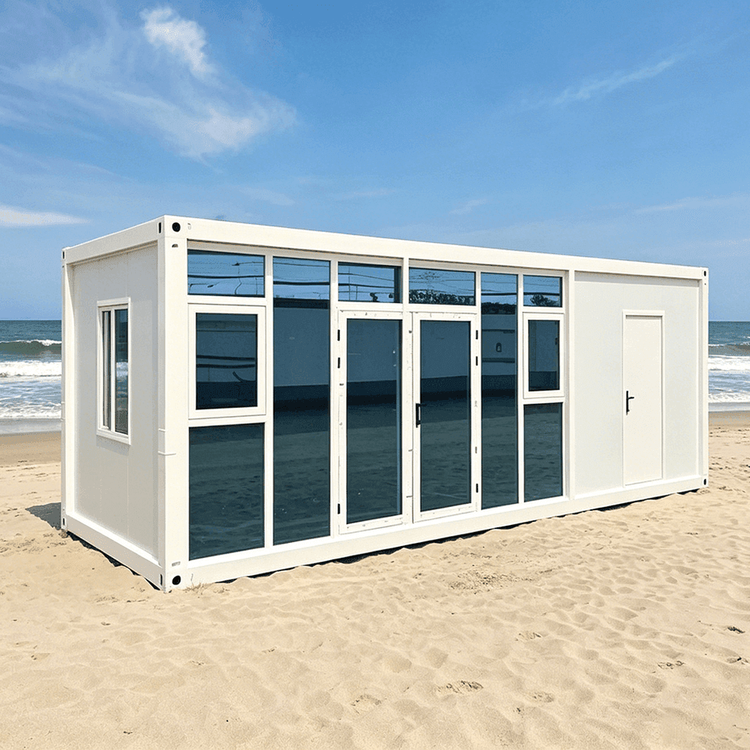
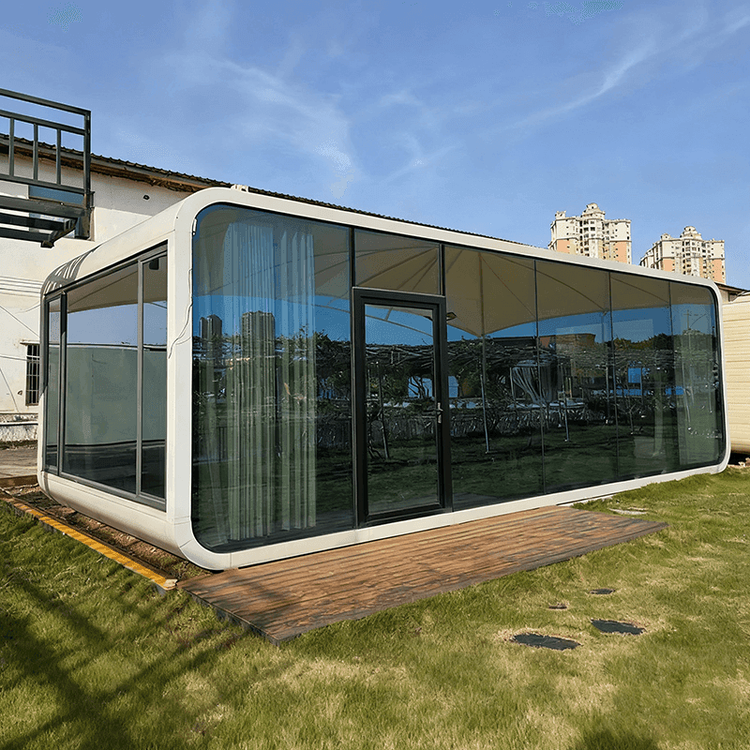
How to Clean a Container House
The sanitation and cleaning of a container house should be systematically handled from four aspects: daily maintenance, deep cleaning, moisture and mold prevention, and ventilation management, taking into account its structural characteristics and usage scenarios.

Daily maintenance involves regularly cleaning surface dust and stains. The exterior walls of container houses are mostly made of rust-resistant steel or color-coated steel plates. Dust can be wiped off with a soft-bristled brush or a damp cloth, avoiding the use of hard tools that may scratch and damage the coating. For interior walls made of aluminum panels or decorative panels, a neutral cleaner can be used with a sponge, and stubborn stains can be treated locally with alcohol wipes. Floor cleaning requires selecting tools based on the material: for non-slip aluminum floors, a mop with a neutral cleaner can be used; for tiles or floors covered with rock wool insulation, regular vacuuming is necessary to prevent sand particles from wearing down the surface.
Deep cleaning should focus on high-humidity areas such as bathrooms and kitchens. If the container bathroom uses integrated molding technology, special attention should be paid to cleaning the toilet, sink, and shower area: the toilet can be soaked and scrubbed with a chlorine-based disinfectant, and the grout between the wall tiles in the sink and shower area should be cleaned with an old toothbrush dipped in toothpaste or a specialized grout cleaner to prevent limescale buildup. In the kitchen area, the range hood filter and stove grease should be cleaned regularly. It is recommended to spray an oil stain cleaner, let it sit for 5 minutes, and then wipe it off with a damp cloth to prevent grease from seeping into the gaps between the panels.
Moisture and mold prevention are core to cleaning a container house. Due to the strong airtightness of container houses, the interior humidity can easily rise. Dehumidifying boxes should be placed or exhaust fans installed in areas such as bathrooms and kitchens to maintain humidity below 60%. If mold spots are found on walls or ceilings, they should be wiped off with diluted 84 disinfectant (at a 1:10 ratio), and then a mold-resistant coating should be applied after drying. The gaps between floorboards can be sealed with PVC waterproof and mold-resistant tape to prevent moisture from seeping into the rock wool insulation layer.
Ventilation management should be combined with daily usage habits. Windows should be opened for ventilation at least twice a day, for more than 30 minutes each time, to promote air circulation. If the container uses a "breathing" design (with side windows and bottom vents working in tandem), regular checks should be made to ensure that the vents are not blocked by debris, ensuring natural ventilation effects in summer. When using heating in winter, a basin of water can be placed indoors to increase humidity, preventing the air from becoming too dry and causing the panels to crack.