
How to Choose the Right House for Renovation and Resale
When selecting a suitable house, especially for renovation and resale, it is crucial to focus on the property's repair potential and the value of the surrounding area. Prioritize properties with superficial issues rather than structural defects.
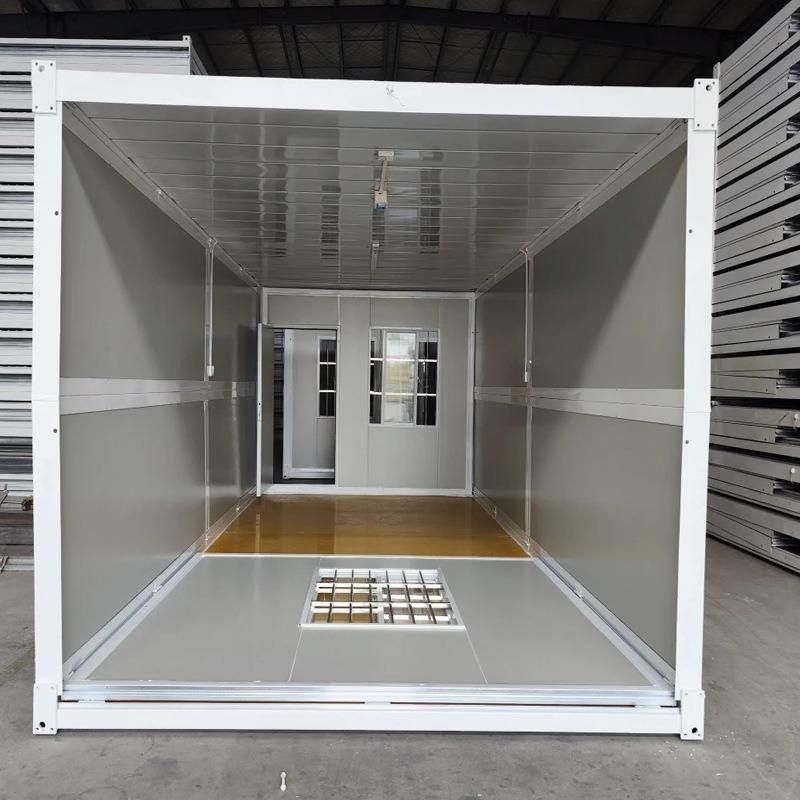
Prioritize Superficial Issues and Avoid Structural Risks
The core of house renovation lies in cost control and value enhancement, making it essential to distinguish between "superficial issues" and "structural issues." Superficial issues (such as outdated appliances, worn-out flooring, windows in need of replacement, and poor-quality wall finishes) typically have lower repair costs and require less technical expertise. By replacing or renovating these elements, you can significantly improve the house's appearance and functionality, attracting buyers who are unwilling to handle such issues themselves. In contrast, structural issues (such as foundation settlement, wall cracks, and severe roof aging) involve building safety and stability, with high repair costs and the need for professional qualifications. These issues may exceed your budget or cause project delays. Therefore, before purchasing a property, hire a professional home inspector to conduct a comprehensive assessment and clarify the type of issues to avoid investment failures due to structural defects.
Evaluate Surrounding Area Value and Secure Long-Term Potential
The geographical location of a house is a core determinant of its value and cannot be altered through renovation. Prioritize areas with well-developed amenities and strong community development potential, such as properties near schools, hospitals, commercial centers, or public transportation stations, which are more attractive to family buyers and renters. Additionally, research community planning and policy directions, such as future plans for new infrastructure, commercial complexes, or public green spaces, which may drive up property prices. Furthermore, pay attention to social indicators like crime rates and school district quality to ensure the living needs of your target buyer group (such as young families or working professionals) are met.
Match Target Buyer Needs and Optimize Renovation Strategies
Develop a renovation plan based on regional characteristics and buyer preferences. For example, if your target buyers are young families, focus on upgrading the kitchen and bathroom (such as installing energy-efficient appliances and replacing slip-resistant flooring) and adding children's activity spaces. If targeting renters, emphasize space utilization and durability (such as choosing easy-to-clean wall materials and reinforcing window and door sound insulation). By precisely matching needs, you can shorten the sales cycle and increase the premium space.



