
How to Choose Mobile Toilet Rental
When choosing mobile toilet rental, it is necessary to comprehensively consider usage scenarios, configuration details, rental services, and other key factors to ensure that needs are met and costs are controlled.
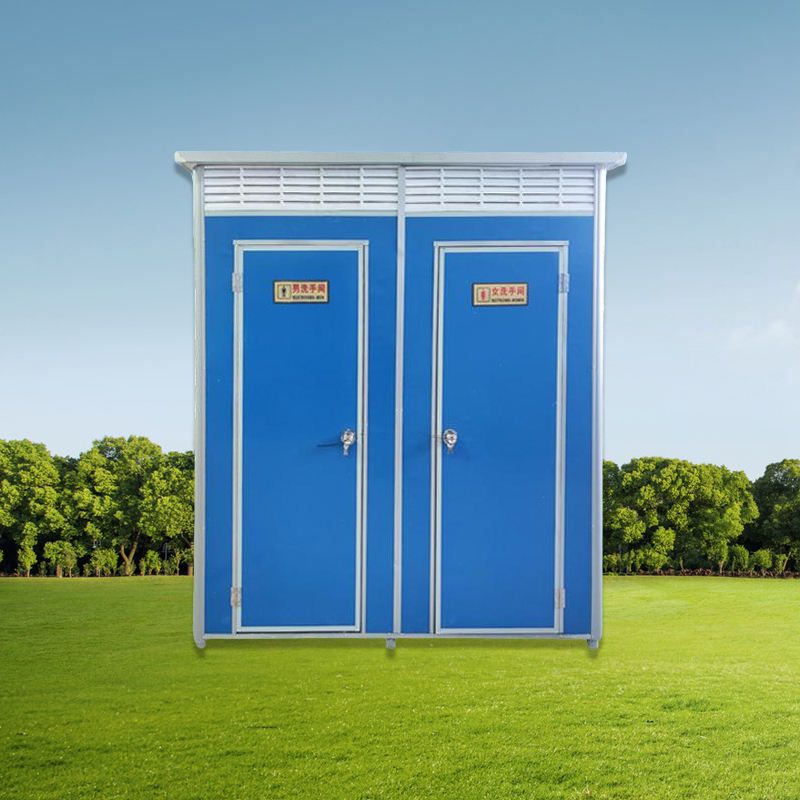
1. Select the Type Based on Usage Scenarios
The functional requirements for mobile toilets vary significantly across different scenarios. Large-scale events (such as concerts and music festivals) require multi-stall models with partitions (e.g., 3-4 compartments) to reduce queuing times; construction sites or outdoor camping are suitable for basic models equipped with squatting toilets and flushing systems, which are more cost-effective; high-end weddings or scenic spots can opt for customized luxury models with added amenities like air fresheners and hand sanitizers to enhance the experience.
2. Pay Attention to Configuration Details
- Material: Prioritize stainless steel or thickened plastic shells, which are corrosion-resistant and durable, suitable for long-term outdoor use.
- Sewage Disposal Design: Mobile sewage outlets are more convenient for transportation and cleaning, avoiding site restrictions caused by fixed sewage outlets.
- Water and Electricity Supply: For temporary power scenarios, consider solar panel power supply to reduce the risk of wire entanglement; if connecting to the mains, confirm whether the rental company provides safe and compliant wiring arrangements.
- Load-Bearing and Anti-Slip: On soft outdoor ground, choose models with anti-slip wheels and reinforced bases to prevent equipment tilting or damage.
3. Evaluate Rental Services
- Delivery Range: Confirm whether the target area is covered (e.g., free delivery within 30 kilometers around Pingdingshan) to avoid additional transportation costs.
- Cleaning Frequency: During events, clarify the daily cleaning frequency and inquire whether temporary additional staffing services are available to handle peak periods.
- Emergency Response: In extreme weather conditions such as heavy rain or strong winds, the rental company should have plans to reinforce equipment or relocate it to reduce risks.
- Additional Services: Free maintenance and backup equipment can prevent event interruptions; responsibilities should be clearly defined in the contract.
4. Other Key Points
- Quantity Estimation: Allocate toilet stalls based on the number of people (e.g., 3-5 standard toilets per 1000 people), with reserve stalls for peak periods.
- Sewage Disposal Plan: Choose a rental company that provides mobile sewage disposal truck services to prevent sewage overflow and site contamination.
- Installation Location: The equipment should be placed near pedestrian walkways and rest areas while maintaining a safe distance from stages and office areas to avoid interference.
- Qualifications and Professional Competence: The service provider should hold qualifications such as "Confined Space Operation Qualification" and "Pipeline Dredging and Maintenance Qualification" to ensure compliant operations.
- Transparent Pricing: The contract should clearly specify the billing method (daily/monthly billing, including transportation, installation, and maintenance), with septic tank cleaning charged by volume or frequency to prevent mid-event price increases.



