
How to Choose a Container House
Choosing a container house requires a comprehensive consideration of factors such as structural performance, installation efficiency, scenario adaptability, cost, and supplier service capabilities.
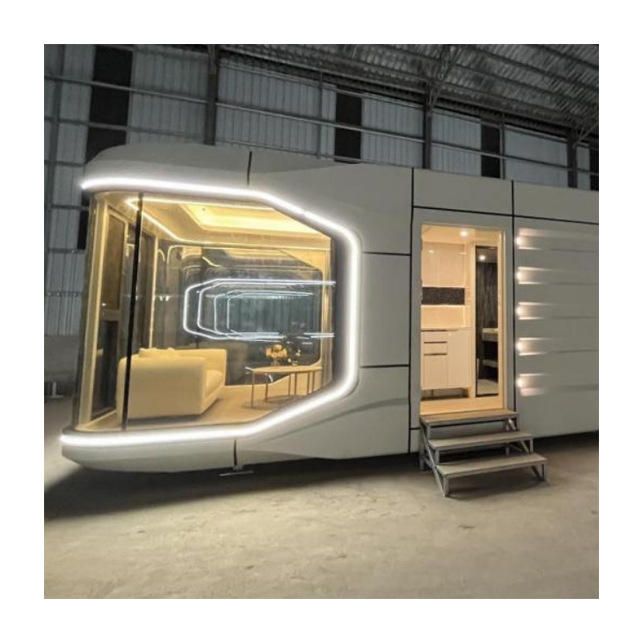
Structural performance is the core safety indicator. Prioritize products with a fully steel structural frame, which offer stronger wind and earthquake resistance. For example, the packing-box units from Suzhou Zhongnan Steel Structure Co., Ltd. have a frame deformation rate of only 0.18% under conditions of a 12-level typhoon and an 8-level earthquake, well below the industry's acceptable threshold of 0.3%. Additionally, they employ fully automated welding processes, with weld strength meeting the GB/T 19001-2016 standard, ensuring high overall structural stability. In contrast, some non-standard off-brand products, using thin steel plates or inferior steel materials, have wind resistance of only up to level 8, posing safety hazards such as wall cracking and frame tilting under extreme conditions.
Installation efficiency and layout flexibility affect project timelines. Choose products with short installation cycles and convenient assembly based on the usage scenario. For instance, Suzhou Zhongnan's quick-assembly containers require only 2 hours for a single unit installation and support on-demand assembly, enabling the completion of 10 standard dormitory setups within a day. Their packing-box units come pre-installed with interiors and facilities at the factory, allowing for immediate use upon on-site hoisting, making them suitable for long-term on-site projects. In contrast, the ordinary container houses from Tianjin Yufada require 5 hours for installation and have fixed layouts that cannot be adjusted, leading to extended project durations and increased costs.
Scenario adaptability determines usage effectiveness. Different scenarios have varying performance requirements for container houses. For engineering camp scenarios requiring rapid delivery, products with high installation efficiency are preferable. For government and enterprise temporary buildings needing to fit specific functional layouts, choose products that support modular design, possess multi-layer frame connection technology, and have waterproof node treatment capabilities. For commercial pop-up shops requiring flexible space adjustments, select products that support basic assembly or personalized customization.
Cost requires a comprehensive assessment of procurement, transportation, storage, and reusability. Prioritize compliant products that can be disassembled and reused multiple times, with an average disassembly and reuse count of over 8 times, reducing construction waste emissions by approximately 90% and improving resource utilization. Additionally, consider transportation and storage costs, especially for cross-regional projects and scenarios with turnover demands, where foldable or lightweight products offer greater advantages.
Supplier service capabilities are an important guarantee. Select suppliers with full-chain service capabilities (design, manufacturing, transportation, installation, and after-sales) to reduce communication costs and ensure smooth project progress. Prioritize evaluating the supplier's R&D and production strength, standardized production processes, quality control systems, and past project implementations to avoid choosing unqualified or service-inadequate manufacturers.



