
How to Choose a Container House
When choosing a container house, it is essential to consider five key aspects: base material, wall panel material, overall flatness, structural stability, and functional layout to ensure the quality of the house matches your usage needs.
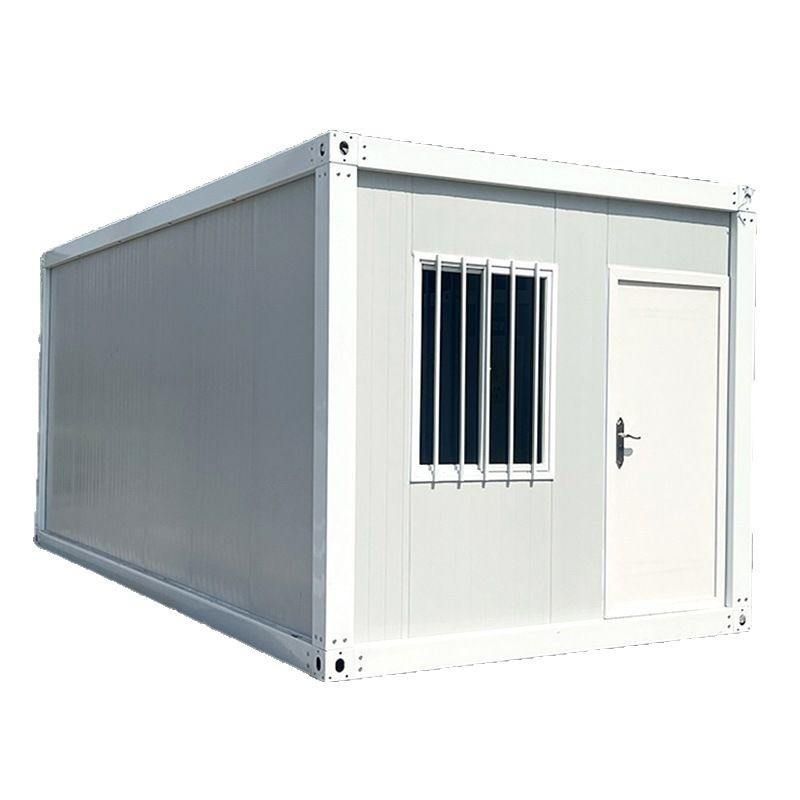
1. Base Material: Prioritize Channel Steel Welding Structure The base is the load-bearing foundation of a container house, directly affecting its overall stability. Most container houses use a channel steel welded base, which offers high structural strength and strong resistance to deformation, effectively distributing the upper load. When selecting, check the specifications of the channel steel (such as thickness and width) and the welding process to ensure there are no cold welds or missed welds, preventing house tilting or settlement due to insufficient base strength.
2. Wall Panel Material: Pay Attention to Iron Sheet Thickness and Filling Material The iron sheet thickness of the exterior wall panels should be less than 0.4 millimeters. Excessive thickness increases costs unnecessarily, while insufficient thickness leads to easy deformation. Rock wool is recommended as the filling material due to its moderate density, excellent fire resistance (usually meeting Class A fire standards), and good sound absorption and thermal insulation properties. Avoid using glass wool, as its low density can lead to reduced thermal insulation performance due to moisture absorption over time and even mold growth.
3. Overall Flatness: Observe Appearance and Structural Details The overall flatness of the house reflects its processing precision and installation quality. Inspect the surface of the container from multiple angles to ensure there are no obvious bumps, waves, or misaligned seams. Also, check the fit between the door and window frames and the walls; large gaps or unevenness can affect sealing and aesthetics, potentially leading to water leakage.
4. Structural Stability: Confirm Container Connection Method The stability of modular container houses depends on the structure of the container units and their connection methods. High-quality products use specially shaped steel welded standard components, with containers connected by high-strength bolts to form an integrated load-bearing system. When selecting, confirm the specifications of the shaped steel (such as angle steel and square tubes) and the bolt grade (e.g., 8.8 or higher), avoiding riveted or ordinary bolt connections to ensure wind and earthquake resistance meet standards.
5. Functional Layout: Match Usage Needs and Expandability Modular container houses typically have fixed dimensions (e.g., 6 meters long, 3 meters wide, and 2.8 meters high), but their internal functional spaces can be flexibly combined. Choose a preset functional layout (such as separate areas for bathrooms, kitchens, and bedrooms) or a customizable plan based on your usage scenario (e.g., office, accommodation, storage). Also, consider future expansion needs and prioritize designs that support multi-container connections for easy area increase later.



