
Back to blog
Article
How to Choose a Portable Toilet
Admin September 24, 2026
When selecting a portable toilet, it is necessary to comprehensively consider the usage scenario, material craftsmanship, and sewage disposal method. The specific key points are as follows:
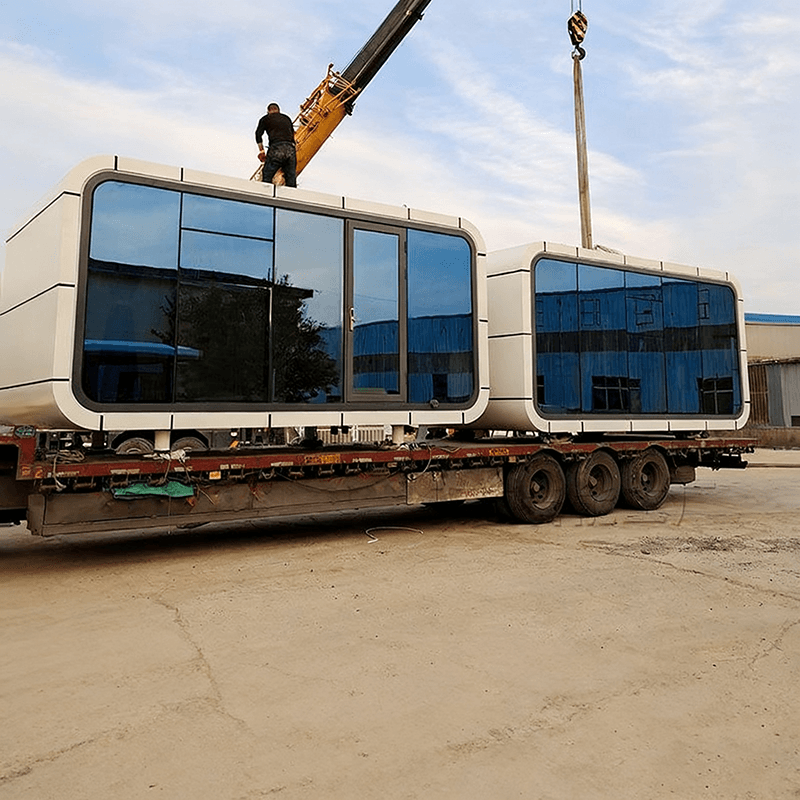
I. Select the Model According to the Usage Scenario
The functional requirements for portable toilets vary significantly across different scenarios, necessitating targeted selection.
- Construction sites, temporary construction sites, short-term events: Give priority to simple steel-structured portable toilets. They have a sturdy structure, adopt a modular design, are easy to assemble and disassemble, and can be repeatedly transported, making them suitable for scenarios requiring frequent movement. Daily maintenance is simple, the cost is relatively low, and the cost-effectiveness is outstanding.
- Scenic spots, parks, municipal roads, cultural and tourism parks: Assembled landscape portable toilets are recommended. They have a simple and elegant appearance, can be customized with color schemes or shapes that blend in with the surrounding environment, have good airtightness, and reduce the accumulation of odors through an efficient ventilation system, enhancing the user experience.
- Rural outdoors, camping bases, sites without a pipeline network: Pipeline-free ecological portable toilets are suitable. They do not require complex civil engineering construction, can be used immediately upon placement, adopt biodegradable or packaged sewage disposal designs, have strong anti-leakage performance, are easy to clean, and significantly reduce long-term maintenance costs.
- Large-scale temporary events such as sports events, exhibitions, and team-building activities: It is advisable to choose multi-compartment portable public toilets. They have a sufficient number of squatting positions (usually 6-12), can quickly divert the crowd, improve turnover efficiency, and are suitable for high-traffic scenarios.
II. Focus on Material Craftsmanship
The material directly affects the durability, safety, and user comfort of the portable toilet.
- Main frame: High-quality products use a hot-dip galvanized square steel welded frame, which has strong wind, sun, and corrosion resistance, with a service life of more than 10 years; inferior products, if using thin iron sheets or thin-walled square tubes, are prone to deformation due to environmental erosion and require frequent repairs.
- Exterior wall panels:
- Metal carved panels: They have the best overall performance, combining thermal insulation, waterproofing, and corrosion resistance functions, with an appearance texture close to that of a fixed building, suitable for long-term use scenarios such as municipalities and scenic spots.
- Color steel panels: They have a low cost and light weight but are easily scratched and have poor sound insulation, suitable for short-term temporary use on construction sites.
- Landscape modeling panels: Such as imitation wood grain and stone grain panels, they have a high appearance value and are suitable for the high aesthetic requirements of gardens and cultural and tourism scenic spots.
- Internal configuration: The basic configuration should include slip-resistant and wear-resistant floors, odor-resistant ceramic sanitary ware, ventilation and air exchange equipment, energy-saving lighting, privacy door locks, and storage hooks. Pay special attention to the sealing process (such as door seam sealing strips) and odor-resistant design (such as U-shaped water traps) to avoid the diffusion of odors.
III. Select the Sewage Disposal Method According to the Site Conditions
The sewage disposal method needs to match the site's pipeline network conditions; otherwise, it may lead to inability to use or difficult operation and maintenance.
- With a municipal pipeline network: Give priority to the direct discharge type, which is directly connected to the sewage system through pipelines, with high treatment efficiency, suitable for fixed places such as scenic spots and parks.
- Without a municipal pipeline network:
- Packaged type: Feces are sealed in replaceable plastic bags, requiring no water, suitable for arid regions or temporary events.
- Biodegradable type: It uses microorganisms to decompose feces into harmless substances, requiring regular addition of bacterial strains, suitable for ecologically sensitive areas such as villages and camping bases.
- Fecal storage tank type: Equipped with a large-capacity fecal storage tank, it requires regular pumping and transportation, suitable for construction sites or exhibitions with high traffic but no pipeline network coverage.
Related



