How to Choose a Portable Toilet
The selection of a portable toilet should be based on the usage scenario, material quality, and sewage disposal method. Here are the specific methods:

1. Choose the Model Based on the Usage Scenario
Different scenarios have significantly different functional requirements for portable toilets, necessitating targeted selection.
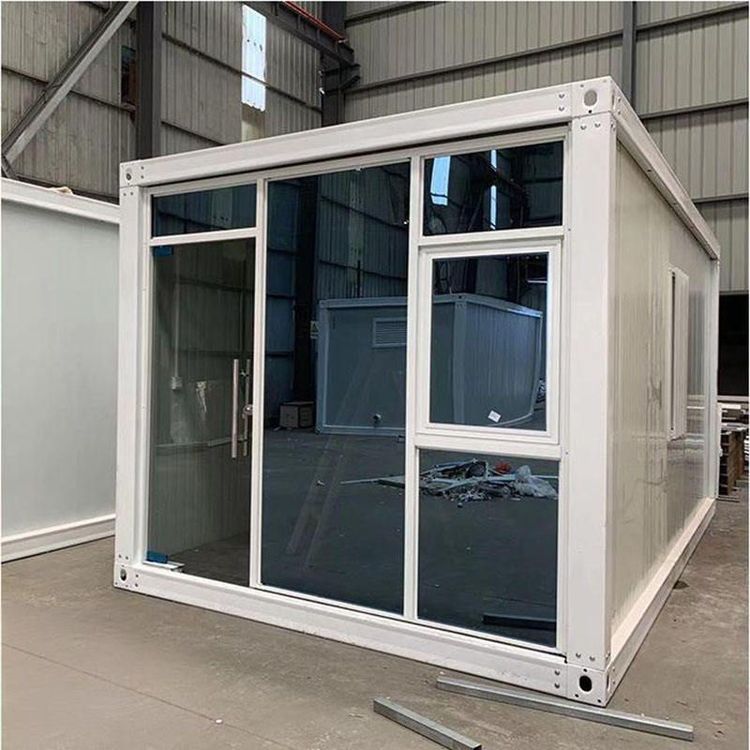
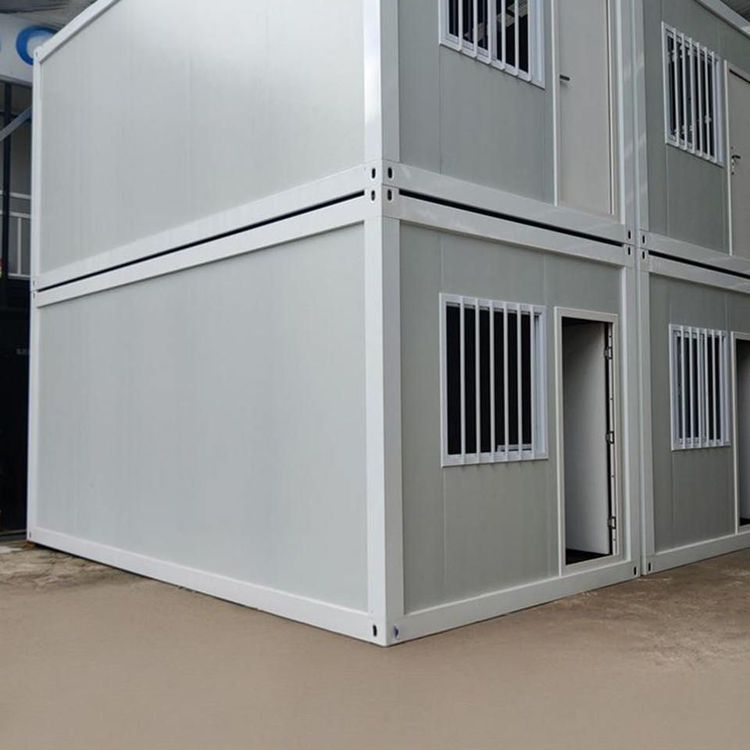
- Temporary Scenarios: For construction sites, short-term events, etc., prioritize choosing simple steel-structured portable toilets. They have a sturdy structure, are easy to assemble and disassemble, and can be repeatedly transported to meet temporary usage needs.
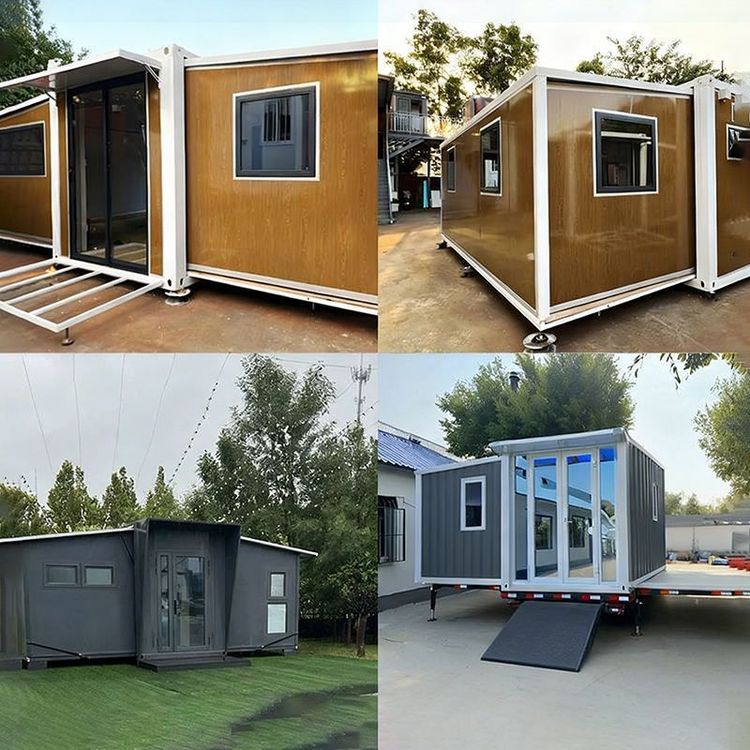
- Long-term Outdoor Scenarios: For places like scenic spots, parks, and municipal roads, it is recommended to choose prefabricated landscape portable toilets. They have a simple and elegant appearance, good sealing performance, are suitable for long-term outdoor placement, and have high coordination with the surrounding environment.
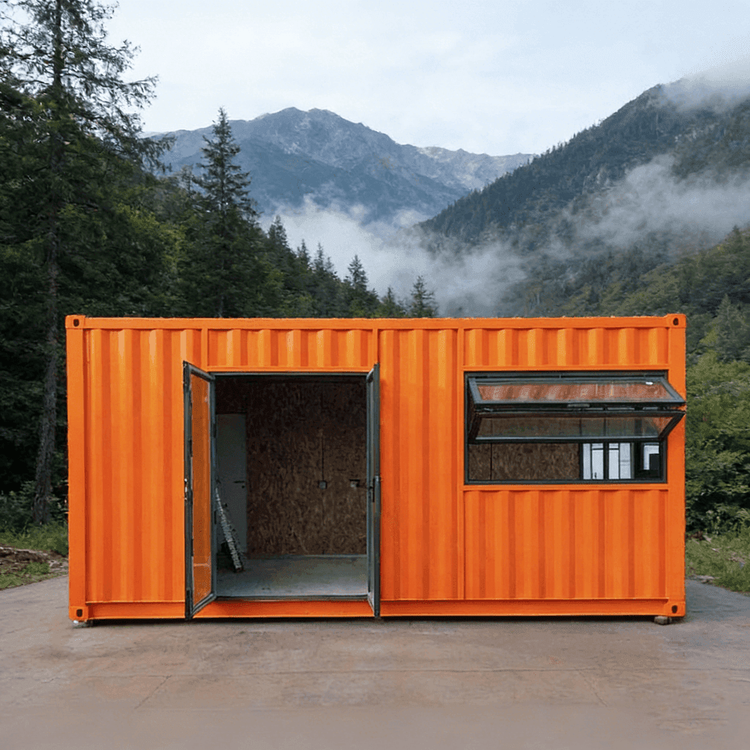
- Sites Without Sewer Networks: In rural outdoor areas, camping bases, and other regions lacking sewer pipelines, it is necessary to choose sewer-free ecological portable toilets. Their sewage disposal design is reasonable, preventing leakage and being easy to clean, which can reduce later operation and maintenance costs.
- High-traffic Scenarios: For large-scale events such as sports competitions and exhibitions, multi-compartment portable public toilets are recommended. They have sufficient toilet stalls, high turnover efficiency, and can effectively alleviate toilet pressure.
2. Focus on Material Quality
Material quality directly affects the durability, safety, and user experience of portable toilets.
- Main Frame: High-quality products use hot-dip galvanized square steel welded frames, which have strong wind, sun, and corrosion resistance, and are not prone to rusting during long-term outdoor use; ordinary thin iron sheets or thin-walled square tubes are prone to rusting and require frequent repairs.
- Exterior Wall Panels:
- Metal Embossed Panels: They provide thermal insulation, waterproofing, and corrosion resistance, suitable for municipal and scenic spot scenarios;
- Color Steel Panels: They are lightweight and cost-effective, suitable for short-term use on construction sites;
- Landscape Modeling Panels: They have a high aesthetic appeal, suitable for gardens, cultural and tourism scenic spots, and other places with high aesthetic requirements.
- Internal Configuration: Basic configurations should include non-slip floors, odor-proof sanitary ware, ventilation equipment, energy-saving lighting, privacy door locks, and storage hooks. Among them, sealing technology and odor-proof design are crucial, which can prevent odor and mosquito breeding and improve user comfort.
3. Choose the Sewage Disposal Method Based on Site Conditions
The sewage disposal method should be selected based on the site's sewer network conditions to reduce later operation and maintenance costs.
- Sites with Sewer Pipelines: Traditional water-flush or foam-sealing portable toilets can be chosen, relying on the sewer network for sewage disposal, with high cleaning efficiency.
- Sites Without Sewer Pipelines: It is necessary to choose sewer-free ecological toilets, which process excreta through microbial degradation, packaging, or fecal storage tanks, without requiring complex civil engineering, suitable for remote or temporary sites.
If it is for family or elderly use, you can refer to the selection points for portable toilets: prioritize choosing products with backrests, armrests, and non-slip designs, focusing on safety and comfort; for emergency use, choose foldable, portable, and load-bearing stable models.