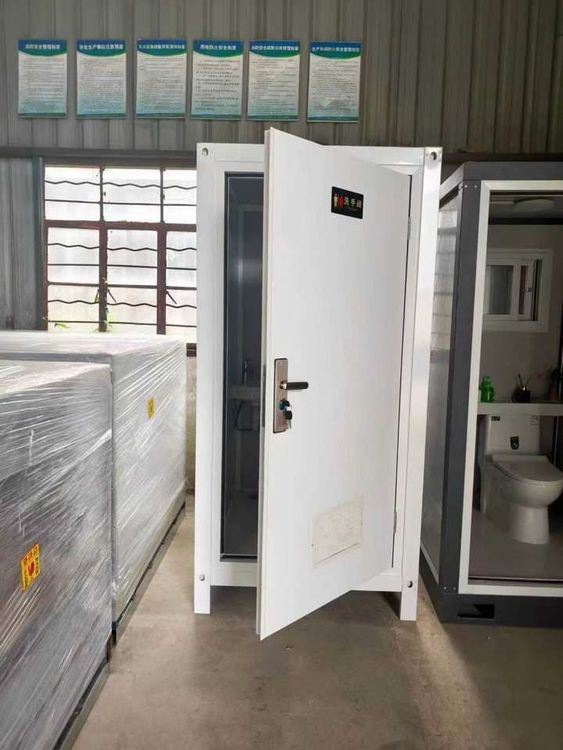
How to Choose a Popular Container House
Choosing a popular container house requires comprehensive consideration from five core dimensions: structural safety, functional suitability, environmental adaptability, supplier qualifications, and price pitfalls to avoid.

I. Structural Safety as the Foundation Opt for thickened galvanized square tube frames (steel thickness ≥ 2.5mm, with high-quality products reaching over 3.0mm). The main load-bearing components should adopt full-weld welding processes to form triangular mechanical structures, ensuring stability. For corrosion resistance, use hot-dip galvanized steel sheets (galvanized layer ≥ 275g/m²) or a double-layer protective paint system to cope with humid environments. In terms of fire prevention and thermal insulation, fill walls with Class A fire-resistant rock wool or glass wool (thickness 50-75mm), and select wall panels made of color-steel sandwich panels with an outer steel layer ≥ 0.5mm, achieving a Class A fire rating. For waterproof sealing, focus on weather-resistant silicone sealant treatment for roof joints, a drainage slope ≥ 3%, and enhanced sealing at panel joints and screw points, with a water spray test required before delivery.
II. Functional Suitability Tailored to Scenarios Choose functional configurations based on usage: commercial displays should reserve floor-to-ceiling windows, signage, and spray painting spaces, with internal circuits equipped with 10-16A sockets, lighting circuits, and network interfaces, and install exhaust fans or fresh air systems; temporary offices should meet lighting and clear height (≥ 2.5 meters) requirements, with partitioned dividers, reserved positions for air conditioners, and independent distribution boxes (total power 8-12kW); storage uses should reinforce structural strength and fire resistance, with moisture-proof treatment on the ground and installation of shelf reinforcement components; for mobility, prioritize modular designs that support rapid assembly (basic setup of a single container within 4 hours) and reuse (reuse rate increased by over 60% compared to traditional buildings).
III. Environmental Adaptability Determines Long-Term Use Effects For foundation treatment, elevate the container bottom (height ≥ 300mm), install rat-proof nets, and harden the ground or lay gravel layers; in open outdoor areas, add anchor bolts or stay cables for fixation, ensuring wind resistance up to Level 10 (24.5-28.4 meters/second); for maintenance, it is recommended to inspect sealant strips and paint every 12-18 months, promptly repair rust spots when found, and increase insulation layer thickness in winter.
IV. Supplier Qualifications Affect Product Quality Large-scale manufacturing enterprises possess full-process customization capabilities, suitable for high-end projects; standardized suppliers offer fixed product styles at moderate prices, suitable for general scenarios; local small workshops often use second-hand containers for renovation, with no unified standards for safety performance, requiring careful selection to avoid issues such as water leakage and substandard sound insulation.
V. Price and Pitfalls to Avoid Must Be Clarified The price of a standard single container (3m×6m, with basic decoration) ranges from 12,000 to 25,000 yuan, with higher prices for finely decorated versions. When avoiding pitfalls, confirm steel specifications, welding processes, and corrosion resistance treatment methods, check whether water and electricity pipelines are pre-buried and protected with conduits, and clarify whether the quote includes hoisting, transportation, and basic supporting costs to prevent budget overruns.