
How to Choose a Mobile Toilet
Choosing a mobile toilet requires comprehensive consideration of factors such as usage scenarios, material structure, sewage disposal methods, hygiene and cleaning, size and layout, as well as budget and after-sales service. Details are as follows:
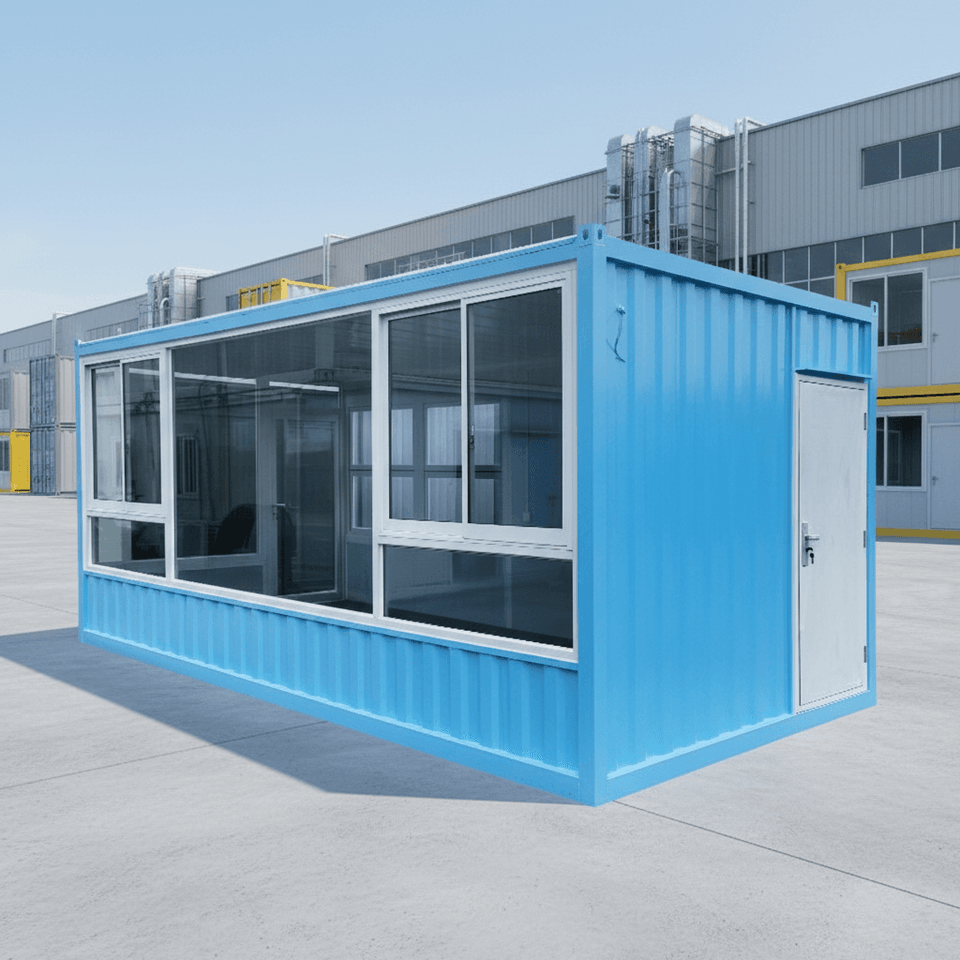
Select models based on usage scenarios: The requirements for mobile toilets vary significantly across different scenarios. For construction sites, temporary construction sites, and short-term events where frequent assembly and disassembly are required, simple steel-structured mobile toilets are a preferred choice due to their sturdy structure and convenient assembly and disassembly. For scenic spots, parks, and other places that emphasize aesthetics and airtightness, prefabricated landscape mobile toilets feature a simple and elegant appearance with good airtightness, reducing odor accumulation. For rural outdoor areas, camping sites, and other locations without a pipeline network, pipeline-free ecological mobile toilets are more suitable as they do not require complex civil construction and have reasonable sewage disposal designs. For large-scale events such as sports competitions and exhibitions that require high pedestrian turnover, multi-compartment mobile public toilets offer sufficient stalls and higher efficiency.
Pay attention to materials and structure: The main frame should be stable and corrosion-resistant. Hot-dip galvanized square steel welded frames are a high-quality choice due to their strong wind, sun, and corrosion resistance. Exterior wall panels should be selected based on the scenario. Metal carved panels offer excellent overall performance and are suitable for municipal and scenic areas. Color steel panels are lightweight and cost-effective, suitable for short-term use on construction sites. Landscape-shaped panels have a high aesthetic appeal and are suitable for gardens and cultural tourism scenic spots. Internal configurations should meet basic needs, such as anti-slip and wear-resistant floors, odor-resistant ceramic sanitary ware, ventilation and air exchange equipment, energy-saving lighting, privacy door locks, and storage hooks.
Choose sewage disposal methods based on site conditions: Sewage disposal methods should match the pipeline network conditions of the site. Sites with a municipal pipeline network can choose direct discharge methods. Sites without a pipeline network or in remote areas should opt for pipeline-free flushing, microbial degradation, or septic tank methods to avoid malfunctioning after installation.
Consider hygiene and cleaning convenience: The odor control system is crucial. Installing ventilation openings with activated carbon can effectively absorb odors. Toilet anti-clogging designs can reduce maintenance frequency. Detachable squat or sit toilets facilitate deep cleaning and save time.
Size and spatial layout: Choose an appropriate size based on the available space at the installation location to avoid occupying too much space or being too small for use. Also, pay attention to the direction in which the door opens to ensure normal operation in narrow spaces and avoid inconvenience.
Budget and after-sales service: For short-term use, consider leasing to reduce initial costs; for long-term use, purchasing is more economical. Choose a brand with good after-sales service to ensure regular maintenance, part replacement, and other services, extending the service life.



