
How to Caulk Container Houses
Caulking for container houses requires targeted methods for different parts, with core steps including panel seam treatment, door and window sealing, structural connection reinforcement, and waterproofing. Here are the specific operations:
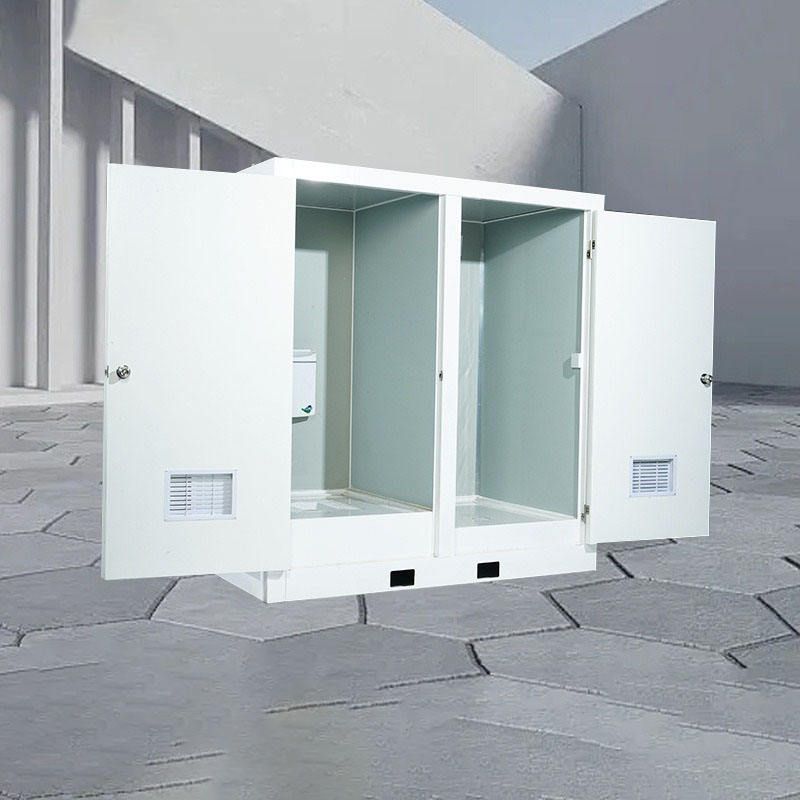
I. Panel Seam Caulking Treatment
The joints between the wall panels, roof panels, and floor panels of container houses need caulking treatment, with common materials being special sealants or I-beam aluminum connectors.
- Wall Panel and Roof Panel Connection: Use element I-beam aluminum connectors to ensure that the panel seams are vertical, of consistent depth, and the surface is clean and free of debris.
- Panel Gap Filling: If the gap is small, it can be directly filled with glass curtain wall waterproof sealant, which has strong weather resistance and better waterproofing performance than ordinary sealants, lasting for more than 5 years. If the gap is large, fill it with foam boards or airbags first, then apply sealant to prevent cracking due to vibration during cargo transportation or use.
- Floor Caulking: The floor panel joints need to be tightly connected. If cement fiber boards or steel-wood composite floor panels are used, the gaps should be densely compacted and polished with cement or fine aggregate concrete to avoid defects such as cracks and peeling.
II. Door and Window Sealing Treatment
Doors and windows are the weak points of container houses, and the gaps between the frames and wall panels need to be treated as a priority.
- Reserve Positions Before Installation: Cut the door and window openings according to the design drawings to ensure accurate dimensions and avoid structural damage caused by forced opening later.
- Selection of Sealing Materials: Windows are made of plastic-steel materials. During installation, they should be fastened with bolts, and the gaps between the frames and wall panels should be filled with neutral silicone sealant. The glass surface should be clean and free of pits, and the accessories should be firmly installed.
- Waterproofing Treatment: After the installation of doors and windows is completed, waterproof coatings should be applied or waterproof membranes should be pasted on the outer sides of the frames to prevent rainwater infiltration.
III. Structural Connection Reinforcement
The framework of container houses is welded from channel steels, square tubes, and other steel materials, and the connections need to be strengthened with caulking and anti-corrosion treatment.
- Welding Joint Treatment: The welding points between steel beams and columns, and the chassis should be ground smooth. After removing the welding slag, apply anti-rust paint and then cover with a layer of zinc-rich primer to enhance corrosion resistance.
- Corner Fitting Sealing: The corner fittings of container houses are key parts for stacking and force transmission. They should be filled with special sealing gaskets and fastened with bolts to ensure that the upper and lower containers are aligned and locked.
IV. Caulking for Hidden Works
Hidden works such as the embedding of water and electricity pipelines and the laying of moisture-proof layers need to be completed simultaneously during the caulking stage.
- Pipeline Gap Treatment: The holes where the wire conduits and water pipes pass through the walls should be filled with expanding foam to prevent condensation caused by the thermal bridge effect.
- Moisture-Proof Layer Overlapping: The moisture-proof membranes on the walls should be laid overlapping, with an overlapping width of not less than 10 cm, and the edges should be sealed with waterproof tape.



