
How to Calculate the Lifespan of Prefabricated Panel Buildings
The lifespan of prefabricated panel buildings is not determined by a single factor. The '50-year' period refers to the design service life, not a mandatory retirement age. The actual lifespan requires a comprehensive assessment through safety inspections. Here is a detailed analysis:
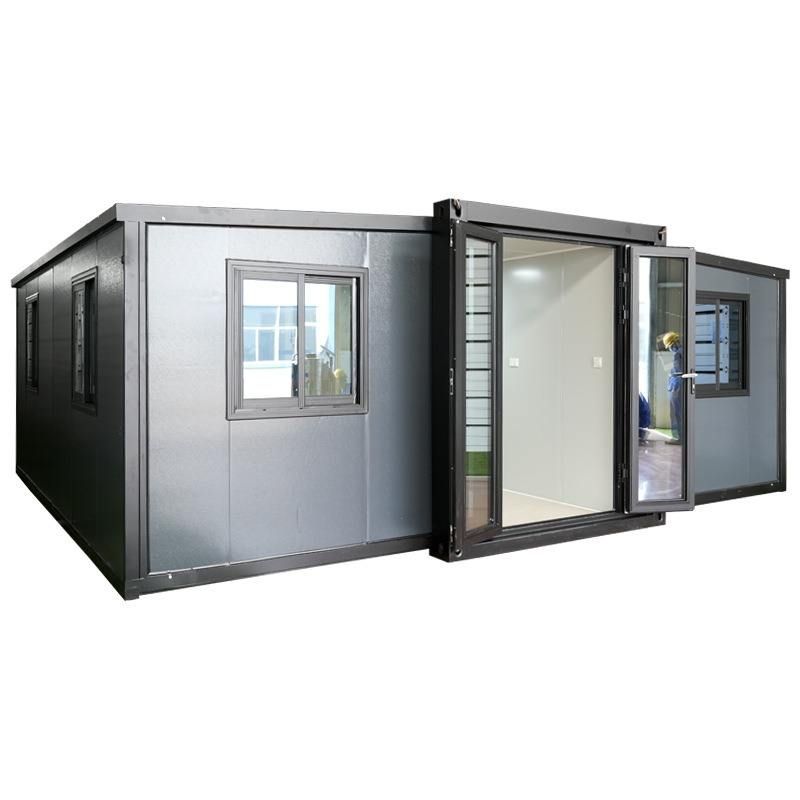
1. Implications of Design Service Life
The '50-year' design service life of prefabricated panel buildings indicates the expected safe usage period under normal design, construction, use, and maintenance conditions. This standard is established based on material properties, structural mechanics calculations, and engineering experience, but it is not an absolute limit for immediate retirement upon expiration. For example, if the construction materials meet quality standards and regular maintenance (such as waterproofing and structural reinforcement) is carried out later, the actual lifespan may exceed 50 years; conversely, if there is shoddy workmanship or long-term neglect of maintenance, the lifespan may be shortened.
2. Inaccuracy of the 30-Year Forced Demolition Claim
The widespread belief that 'prefabricated panel buildings must be demolished after 30 years' is a misconception. Whether a building should be demolished depends on professional safety inspection results, not solely on its age. According to the 'Standard for Reliability Inspection of Civil Buildings', building safety is classified into four levels:
- Level A: The structural load-bearing capacity meets requirements and can be used normally;
- Level B: Individual components require repair but do not affect overall safety;
- Level C: The load-bearing capacity of some structural components is insufficient and requires local reinforcement;
- Level D: The load-bearing structure has been severely damaged, posing a dangerous building that requires immediate cessation of use or demolition.
Only when a building is classified as Level D does it need to be treated as a dangerous building; Level A and B buildings can continue to be used, and Level C buildings can have their lifespans extended after reinforcement.
3. Mandatory Inspections in Key Scenarios
Even if the design service life has not been reached, if a building exhibits the following conditions, a qualified agency should be commissioned to conduct a safety inspection:
- Obvious damage: Such as wall cracks, beam and column deformations, and foundation settlement;
- Environmental erosion: Long-term exposure to moisture or corrosive gases;
- Renovation needs: Plans to add floors, change the purpose, or demolish part of the structure;
- Disaster impact: After experiencing earthquakes, fires, floods, or other disasters.
The inspection conclusions will directly determine whether the building should continue to be observed, reinforced and repaired, have its use restricted, or be demolished.
Summary: The lifespan of prefabricated panel buildings should be determined through scientific inspections, not simply by age. Regular maintenance, periodic inspections, and timely handling of potential hazards are key to extending the building's lifespan.



