
Back to blog
Article
How to Calculate the Cost of Prefabricated Houses
Admin September 18, 2026
The cost of prefabricated houses is typically calculated based on area, with the formula being: Total house price = Building area × Unit area cost. The actual total price may fluctuate due to factors such as house type, location, and design complexity.
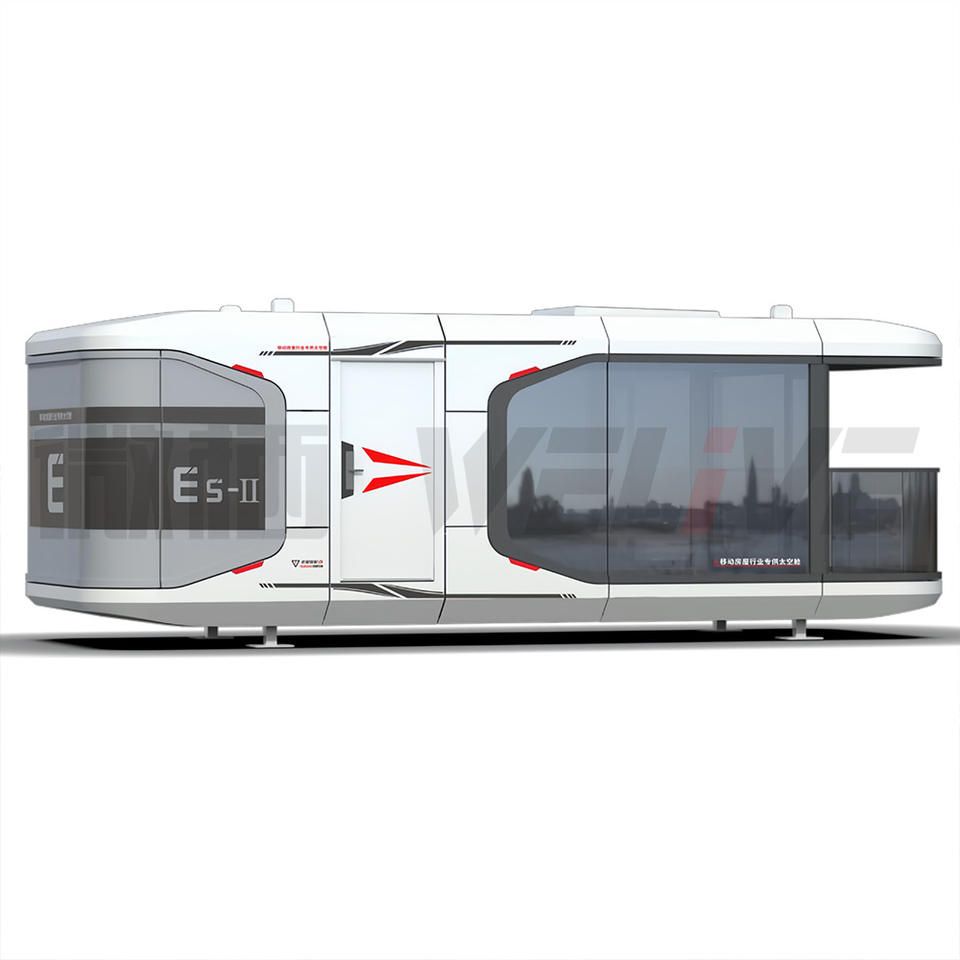
I. Benchmark Range of Unit Area Costs
The unit area costs of prefabricated houses vary significantly depending on the structural type:
- Prefabricated Panel Houses: The cost per square meter ranges from 300 to 600 yuan. Simple panel houses start at a minimum of 300 yuan/㎡, while those requiring fine decoration can reach 600 yuan/㎡. They are primarily suitable for temporary or low-cost needs.
- Prefabricated Houses:
- Light Steel Structure: 1500-2500 yuan/㎡. Due to lightweight materials and short construction periods, they are commonly used for low-rise residential or commercial buildings.
- Wood Structure: 2000-3500 yuan/㎡. Relying on wood resources, they are often seen in tourism resorts or eco-friendly residential projects.
- Concrete Structure: 3000-4000 yuan/㎡. With a stable structure and strong durability, they are suitable for high-rise or multi-story buildings.
II. Core Factors Affecting Total Price Fluctuations
- Regional Differences: Land costs, transportation distances, and labor expenses are the main variables. For example, in remote areas, increased transportation distances may lead to a 5%-15% rise in unit area costs; in areas with high labor costs (such as first-tier cities), assembly costs may increase by more than 20%.
- Design Complexity: Irregular structures, high-rise buildings, or special functional requirements (such as seismic resistance grade ≥ 8, energy-saving standards reaching the second level of green buildings) significantly increase component customization costs. For instance, irregular structures may increase unit area costs by 10%-30%, while high-rise buildings may see costs rise by 20%-50% due to the need for enhanced structural stability.
- Supporting Facilities: Value-added services such as pre-embedding of water and electricity pipelines, installation of doors and windows, and insulation layers add to the costs. Taking light steel structures as an example, if basic water and electricity pre-embedding is included, the total price may exceed the base cost by 10%-20%; if high-end thermal break aluminum doors and windows are selected, the cost per square meter may increase by 200-500 yuan.
- Other Expenses: Transportation, lifting, foundation construction, and interior decoration are often priced separately. For example, transportation costs are calculated per kilometer, with remote areas possibly seeing an increase of 2-5 yuan/㎡ per kilometer; lifting costs are calculated per shift, with single lifting costs for large components reaching 5000-10000 yuan; foundation construction such as road repair and site leveling may account for 10%-20% of the total price.
III. Cost Optimization Suggestions
To control the total price, prioritize standardized designs, locally sourced materials, and simplified supporting facilities; if pursuing quality, allocate the budget reasonably among structural types, seismic and energy-saving grades, and interior decoration standards.
Related



