
How to Buy Outdoor Portable Toilets
When purchasing outdoor portable toilets, it is essential to clarify your needs, choose the right purchasing channel, compare prices, materials, and functions, and verify the merchant's qualifications and after-sales support. Here are the specific steps:
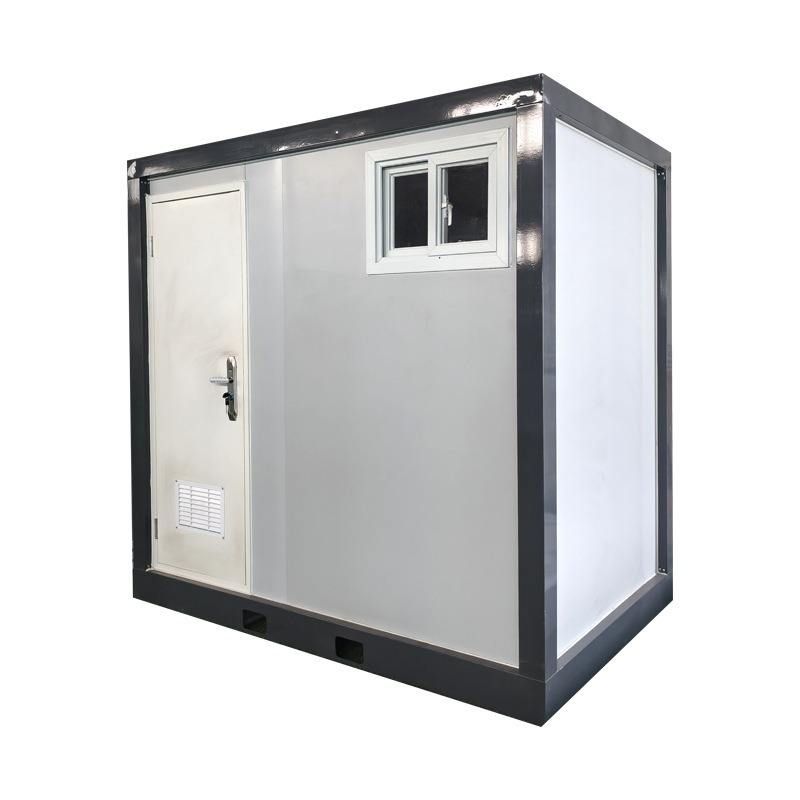
1. Clarify Usage Requirements
First, determine the number of toilet stalls based on the usage scenario. For example, a single stall is suitable for small-scale temporary events, while double or multiple stalls are more appropriate for high-traffic locations like scenic spots or construction sites. Consider the usage duration as well; for short-term events, renting (approximately 1900 yuan per period) may be preferable, while long-term use suggests direct purchase. Additionally, clarify functional requirements, such as whether a waterless model (suitable for water-scarce environments), a water-recycling model (environmentally friendly and water-saving), or a shower-integrated model (for multi-functional scenarios) is needed. Some merchants support customization of functions.
2. Choose a Purchasing Channel
You can purchase directly from wholesalers or manufacturers, with some merchants offering services like 'dropshipping', '7-day replacement', and '48-hour or 24-hour expedited shipping', which are suitable for urgent needs. Online platforms (such as e-commerce platforms) allow for quick comparison of prices and specifications, while offline physical stores or exhibitions enable you to inspect product details in person. For bulk purchases, it is advisable to contact the manufacturer for discounts and confirm whether customized services are supported.
3. Compare Prices and Materials
Prices vary significantly depending on the type, material, and function. Simple models (e.g., plastic) can be as low as 95 yuan, suitable for temporary emergencies; high-end ecological microbial models (e.g., stainless steel with microbial degradation technology) can reach 12,500 yuan, suitable for long-term environmental protection needs. Common materials include steel structures (durable but prone to rust), stainless steel (highly corrosion-resistant), fiberglass (lightweight and weather-resistant), and plastic (low cost but short lifespan). Choose based on the usage environment (e.g., stainless steel is preferred in coastal humid areas) and budget.
4. Verify Merchant Qualifications and After-Sales Support
Prioritize suppliers labeled as 'powerful merchants' or 'verified enterprises' to ensure they possess production or sales qualifications. After-sales support is crucial; confirm whether installation guidance, repair services, and spare parts supply are provided. For example, some merchants promise a '1-year warranty' and 'lifetime maintenance', which can reduce risks during later use.
5. Customization Requirements (Optional)
If standard products do not meet your needs (e.g., special dimensions, brand logos, additional functions), you can contact the manufacturer for customization. However, communicate the design cycle and costs in advance to avoid delays in use.



