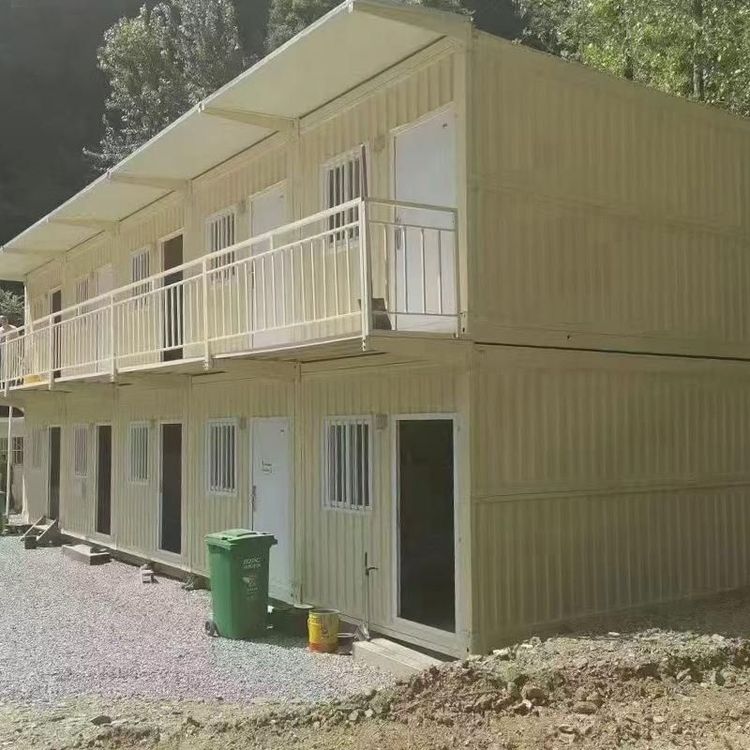
How to Buy a Container House
When purchasing a container house, it is necessary to comprehensively consider needs, budget, manufacturer qualifications, and product performance, and complete the purchase through steps such as clarifying the purpose, selecting reliable suppliers, evaluating product quality and compliance, and planning for later maintenance.

1. Clarify Needs and Budget
Determine the type of house based on its intended use. For example, different scenarios such as engineering camps, cultural tourism homestays, and emergency support have varying functional requirements, necessitating the selection of appropriate modular designs or customized solutions. At the same time, formulate a budget based on your financial situation, considering not only the purchase cost but also transportation, installation, and later maintenance expenses. For instance, high-end customized products may have higher prices due to material and process costs, potentially exceeding those of simplified standardized products.
2. Select Reliable Manufacturers and Suppliers
Prioritize professional manufacturers with full-chain capabilities in research and development, design, production, and sales, such as Qinghai Guangzan Light Steel Housing Engineering Co., Ltd. These companies' products have passed third-party testing and certification and can provide customized services. Evaluate manufacturer qualifications and project delivery capabilities through industry research, terminal project follow-ups, and cross-verification with third-party performance reports to avoid structural instability caused by incomplete qualifications or process defects.
3. Evaluate Product Quality and Performance
Focus on material quality, structural stability, and environmental attributes. For example, container houses made of light steel have lower costs but must ensure that waterproofing, thermal insulation, and fire resistance meet standards. Products from leading manufacturers can be disassembled and reused an average of more than 8 times, reducing construction waste emissions by about 90%, aligning with low-carbon circular policy guidelines. Additionally, verify whether the products have passed domestic and international certifications, such as compliance requirements for cross-border projects in the target market.
4. Understand Regulations and Later Maintenance
Different regions may have restrictions on the use and construction of container houses, so it is necessary to confirm local regulatory requirements in advance. After purchase, plan the layout and decoration reasonably and conduct regular maintenance inspections, such as checking the waterproof layer, connectors, and structural deformations, and addressing issues promptly to extend the service life. For example, under standardized use and regular maintenance conditions, compliant products can have a service life of more than 20 years.