
Back to blog
Article
How to Build Mobile Toilets in Taiyuan
Admin October 05, 2026
The construction of mobile toilets in Taiyuan requires selecting a professional plan based on the product type (modular or trailer-type) and usage scenario. Typically, the entire process is completed by rental companies or manufacturers, and personal construction must strictly adhere to safety and environmental protection regulations.
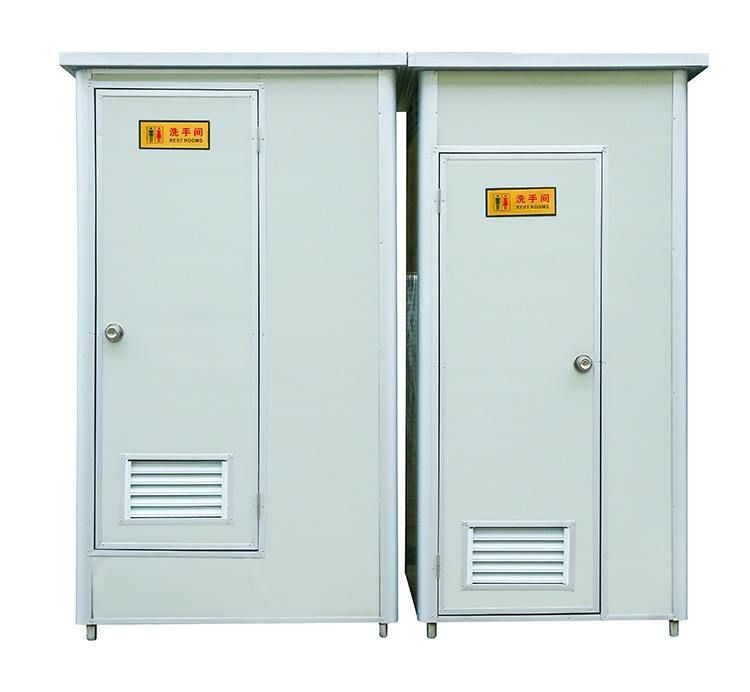
I. Construction Process for Modular Mobile Toilets
Basic Preparation
- Site Assessment: Check the ground flatness (error ≤ 5mm/m), distribution of underground pipelines (to avoid damaging water supply/sewage pipes), and conditions for connecting to electricity and water sources. For example, construction sites should avoid areas where heavy machinery operates, and cultural event venues should reserve drainage slopes to prevent water accumulation.
- Transportation Planning: Use specialized flatbed trucks for transportation. Confirm road height restrictions (usually ≥ 4.2m), turning radius (≥ 12m), and bridge load-bearing capacity in advance to prevent deformation of the toilet units during transportation.
Installation Steps
- Base Plate Installation: Use high-strength plastic or steel base plates to distribute the weight of the toilet units and prevent ground subsidence. For example, a single unit (2m × 2m) requires 4 base plates evenly spaced.
- Unit Leveling: Use a laser level to adjust the height difference of the unit's four corners to ≤ 2mm, ensuring the tightness of door frames, toilets, and other components to prevent sewage leakage.
- Pipeline Connection: Operated by professional technicians, water supply pipes use PPR hot-melt connections, and sewage pipes use rubber seals. Test water pressure (≥ 0.3MPa) and airtightness (hold pressure for 30 minutes without leakage).
II. Special Requirements for Trailer-Type Mobile Toilets
- Structural Design: Use lightweight alloy frames (such as aluminum alloy 6061-T6) with a total weight ≤ 1.5 tons for easy towing by tractors. Integrate toilet units, sinks, ventilation systems (axial fan air volume ≥ 300m³/h), and waste storage tanks (capacity ≥ 200L).
- Off-Grid Operation Support: Equip with solar panels (power ≥ 200W) and battery packs (capacity ≥ 100Ah) to support continuous operation of lighting and ventilation systems for more than 8 hours, suitable for outdoor scenarios without external power sources.
III. Construction Plan for Simple Temporary Toilets (Emergency Scenarios)
- Bucket Toilets:
- Use a covered plastic bucket (capacity ≥ 20L) lined with double-layer garbage bags and add absorbent materials (such as cat litter or sawdust) at the bottom to reduce odors.
- Pair with a simple tent (height ≥ 2m) or screen (width ≥ 1.2m) to create a private space, and lay a moisture-proof mat at the bottom to prevent ground contamination.
- Portable Toilets:
- Use a foldable frame (load-bearing ≥ 100kg) with disposable waste bags (capacity ≥ 15L), suitable for camping or short trips. After use, seal the bag and dispose of it as medical waste.
Note: Mobile toilet rental services in Taiyuan typically include transportation, installation, maintenance, and recycling. Personal construction must comply with the regulations on the safety and sewage discharge of temporary facilities in the Taiyuan Urban Appearance and Environmental Sanitation Management Regulations.
Related



