How to Budget for Container Houses
The budget for container houses needs to comprehensively consider factors such as purchase/rental, size, materials, design and construction, and additional costs. Details are as follows:

I. Clarify Needs and Budget Type
First, determine whether to purchase or rent. The purchase budget should cover the cost of the house itself and subsequent maintenance expenses, while renting requires calculating the total rental cost for the lease period and possible transportation fees. For example, the purchase price of a small 9-square-meter residential container ranges from 3,500 to 8,000 yuan, with a daily rental rate of 3 yuan; the purchase price of an 18-square-meter standard model ranges from 4,500 to 11,000 yuan, with a daily rental rate of 6 yuan. For long-term use, purchasing may be more cost-effective; for short-term or temporary needs, renting is less expensive.
II. Pricing Based on House Size and Type
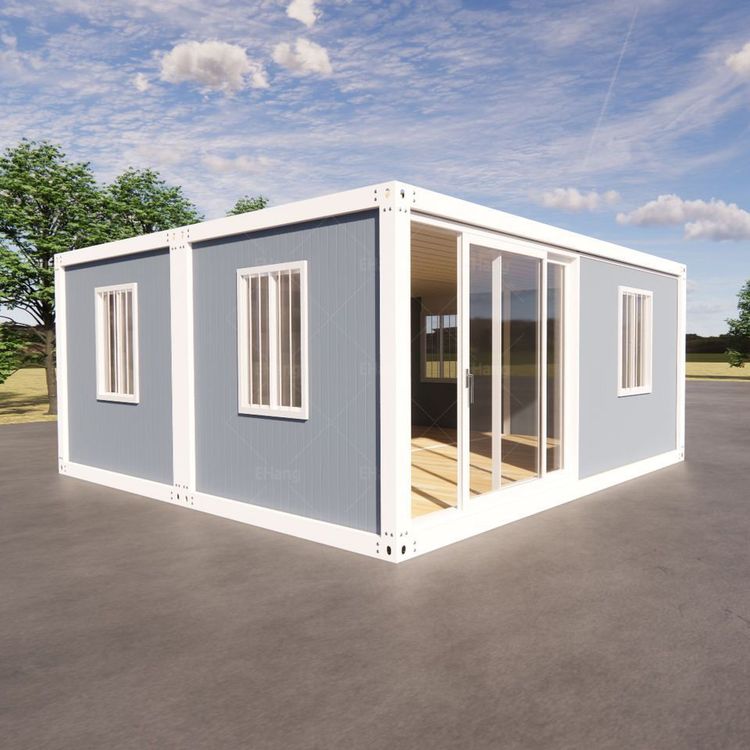
The price of container houses is strongly correlated with their area and type. The purchase price of a small (9㎡) basic model starts at around 3,500 yuan, with customized models exceeding 4,000 yuan; the purchase price of a standard (18㎡) model starts at 4,500 yuan, with high-end customized models being more expensive; the purchase price of a slightly larger (21㎡) model starts at 5,500 yuan. If special features (such as expansion modules or irregular roofs) or larger areas are required, the budget needs to be increased accordingly. For example, a wind power project in Xinjiang used 180 containers to build a living area for 500 people, completed in 7 days, with costs far lower than those of traditional brick-and-mortar buildings.
III. Materials and Craftsmanship Affect Costs
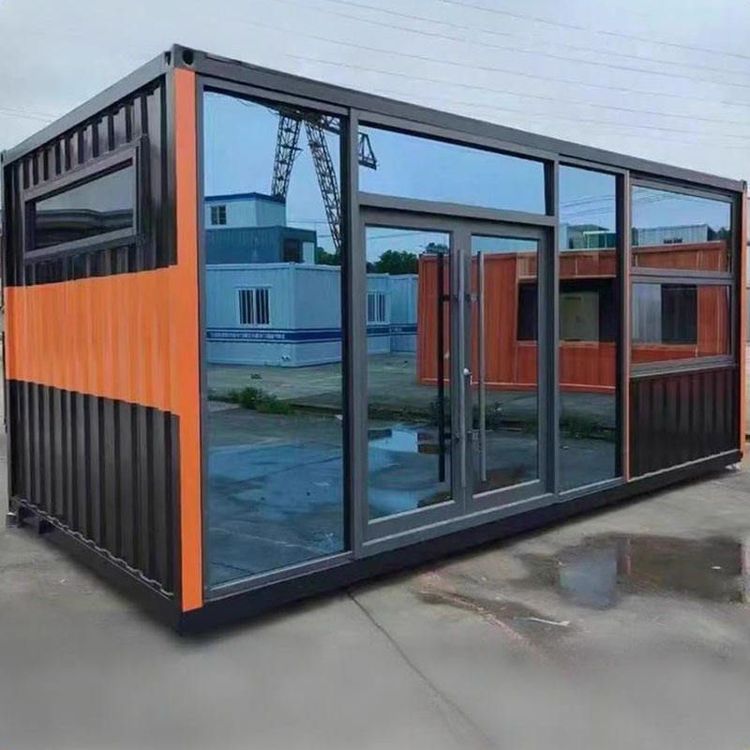
Material costs are a core part of the budget. Ordinary steel containers are relatively inexpensive, while the use of lightweight steel or fire-resistant and insulating materials such as rock wool sandwich panels increases costs by about 30%. The complexity of design and construction craftsmanship also significantly affect prices: simplified designs and standardized construction can reduce costs; high-end customization (such as curved roofs or pre-installed smart home systems) requires additional fees. For example, Chengdong International's customized containers can achieve a 40% window opening rate and offer 12 types of wall materials, but their prices are higher than those of basic models.
IV. Additional Costs Cannot Be Overlooked
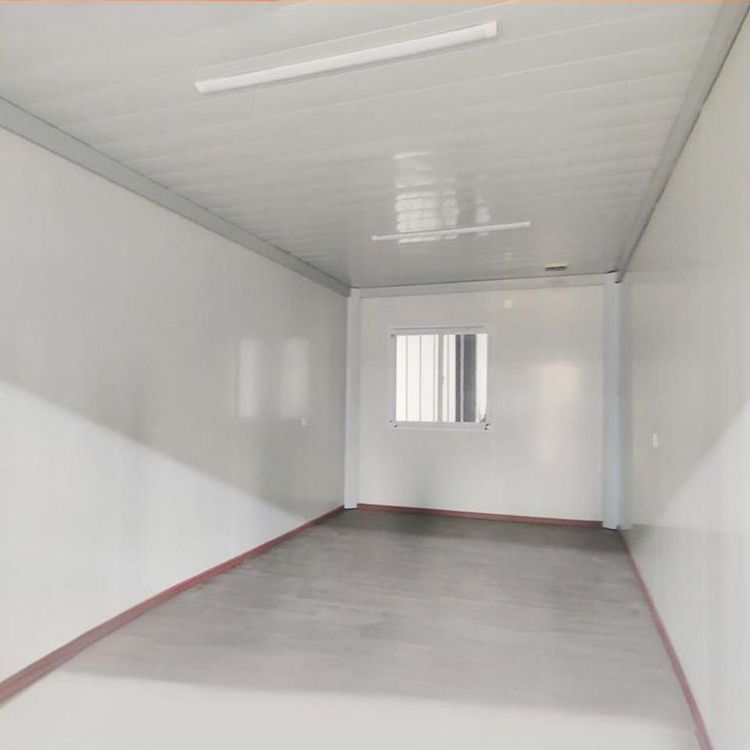
In addition to the cost of the house itself, provisions should be made for foundation treatment (approximately 15% of the total budget), transportation (additional charges for distances exceeding 50 kilometers), installation, and commissioning. If used for long-term residence or commercial purposes, interior soft furnishings (such as furniture and appliances) and landscaping will also increase the budget. For example, high-end, fully furnished container houses with tiled floors and stone-like paint exteriors can cost up to 2,000 yuan per square meter, far higher than economical models (300 yuan per square meter).
V. Regional and Project Volume Affect Unit Prices
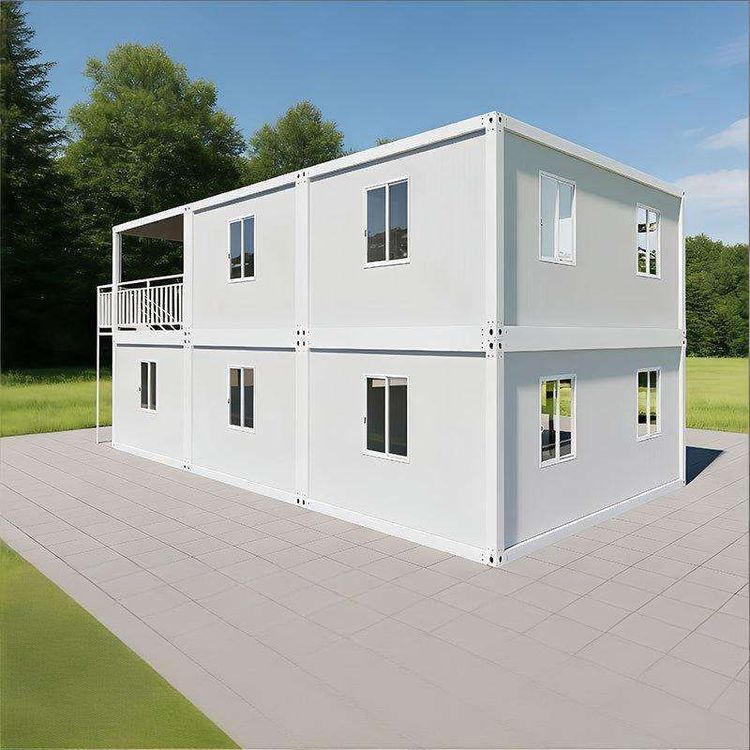
Costs in first-tier cities are 10%-30% higher than those in second- and third-tier cities, and unit prices in remote areas may increase due to rising labor and transportation costs. The larger the project volume, the lower the unit price: for areas less than 100 square meters, the unit price increases by about 10%; for areas greater than 500 square meters, the unit price decreases by 10%-15%; double-story structures are 15%-25% more expensive than single-story ones. For example, in government or large-scale project bidding, the overall solution quotation needs to be calculated separately.