
Back to blog
Article
How to Account for Container Houses
Admin September 16, 2026
The accounting method for container houses should be determined based on whether they are purchased or leased, their purpose of use, and the type of enterprise. It mainly involves accounts such as fixed assets, temporary facility expenses, and administrative expenses. The specific accounting entries and handling methods are as follows:
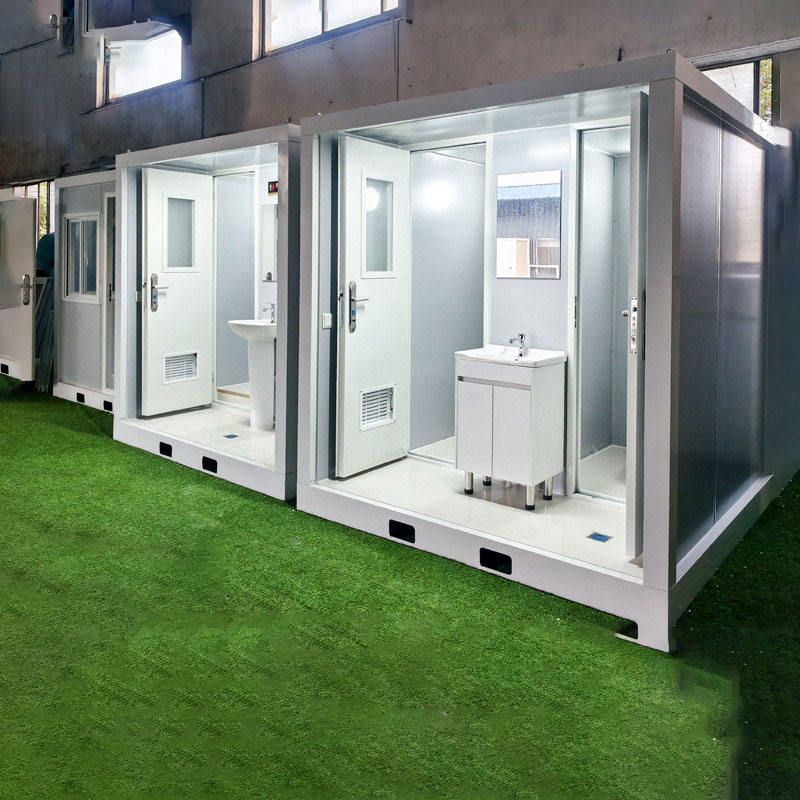
1. Accounting for Purchased Container Houses
If an enterprise purchases a container house for use as a fixed asset, the purchase cost should be recorded in the 'Fixed Assets' account in one lump sum, and a depreciation provision mechanism should be established.
- Accounting Entries: Debit: Fixed Assets - Container House Credit: Bank Deposits (or Accounts Payable)
- Depreciation Handling: Depreciation should be calculated using the straight-line method or the units-of-production method based on the useful life and residual value rate of the container house. For example, if the estimated useful life is 10 years and the residual value rate is 5%, the monthly depreciation amount = (purchase cost × 95%) ÷ 120. Debit: Administrative Expenses/Manufacturing Expenses - Depreciation Expenses Credit: Accumulated Depreciation - Container House
2. Accounting for Leased Container Houses
If an enterprise leases a container house, different accounting methods should be selected based on the lease term and purpose.
- Short-term Lease (≤1 year): Directly recorded in current profit and loss. Debit 'Administrative Expenses' or 'Manufacturing Expenses' and credit 'Bank Deposits' based on the actual payment amount. Debit: Administrative Expenses - Lease Expenses Credit: Bank Deposits
- Long-term Lease (>1 year): It should be accounted for through the 'Prepaid Accounts' account and amortized over the lease term. When paying rent: Debit: Prepaid Accounts - House Lease Expenses Credit: Bank Deposits When amortizing monthly: Debit: Administrative Expenses - House Lease Expenses Credit: Prepaid Accounts - House Lease Expenses
3. Accounting in Special Scenarios
- Real Estate Enterprises: If the container house is used for construction projects, related expenses can be recorded in the 'Development Indirect Expenses - Lease Expenses' account. Debit: Development Indirect Expenses - Lease Expenses Credit: Bank Deposits
- Temporary Facilities at Construction Sites: If the container house is used as a temporary facility at a construction site, it can be recorded in the 'Construction Works - Temporary Facility Expenses' account. Debit: Construction Works - Temporary Facility Expenses Credit: Bank Deposits
4. Precautions
- Tax Law Compliance: Enterprises should select a depreciation method in accordance with tax law regulations and retain complete invoices and contracts for tax audits.
- Asset Tracking Management: It is recommended to use information technology (such as RFID technology) to record the relocation and maintenance of container houses to prevent asset loss.
- Handling of Lease Deposits: If a lease deposit is paid, it should be accounted for through the 'Other Receivables' account, and the opposite entry should be made when it is recovered. Debit: Other Receivables - Deposit Credit: Bank Deposits
Related
You may also like
30Oct
Portable Toilet Container in 2026: Buying Guide & Recommendations
Read More
30Oct
Portable Toilet Color Steel Custom & OEM: Design & Bulk Production Guide
Read More
30Oct
Portable Toilet Color Steel: Top Options & Considerations
Read More
30Oct