
How Mobile Toilets Dispose of Feces
Mobile toilets have various methods for disposing of feces, including water-flushing, vacuum suction, biodegradation, dry packing, foam sealing, compression storage, multi-functional sewage outlets, and mechanical treatment, as detailed below:
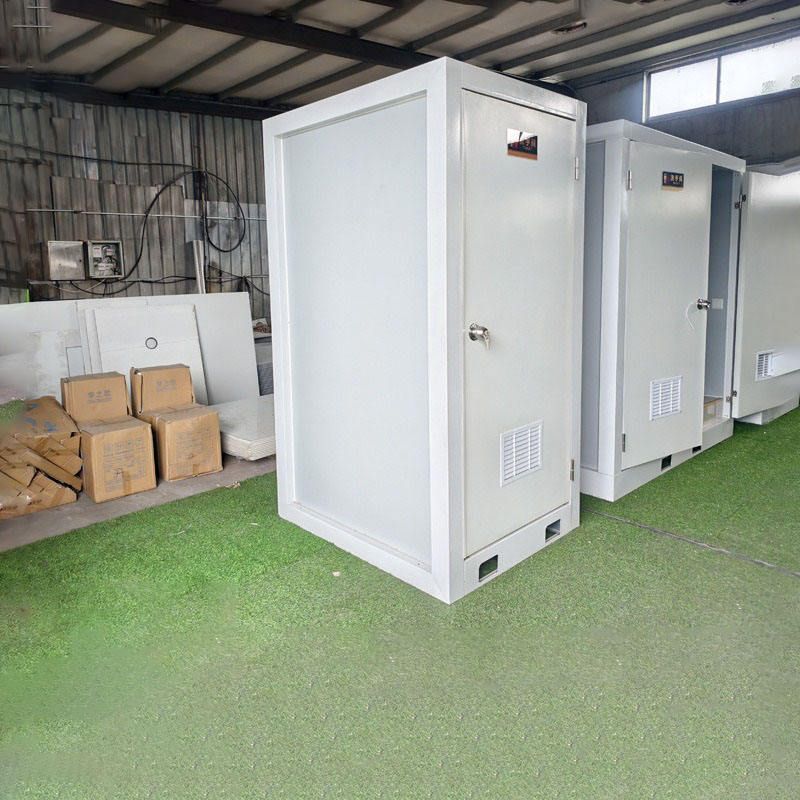
Water-flushing systems discharge sewage into municipal sewer networks or septic tanks through pipelines, complying with relevant national standards (such as the Urban Public Toilet Design Standard CJJ14-2016). Some equipment is equipped with intermittent aerobic and anaerobic treatment devices, adding biological strains to accelerate fermentation and decomposition, enabling sewage recycling and reducing water consumption. This method is suitable for scenarios with access to municipal sewer networks or septic tank cleaning facilities, requiring regular maintenance to prevent blockages or odors.
Vacuum suction systems utilize negative pressure principles, rapidly drawing sewage and waste into collection containers through vacuum pumps, offering high efficiency and low water usage. Their sealed design effectively prevents leaks and odor diffusion, making them suitable for high-traffic areas or places with stringent hygiene requirements, such as large event venues or scenic spots. However, specialized suction vehicles are needed for regular container cleaning.
Biodegradation systems decompose excreta using microorganisms, producing biogas and fertilizer, reducing volume and delaying treatment needs. These toilets do not require external water sources or sewage pipelines, making them suitable for long-term scenarios without treatment facilities, such as remote areas or emergency rescue sites. However, regular replenishment of microbial strains and control of ambient temperature are necessary to maintain decomposition efficiency.
Dry packing systems use biodegradable plastic bags to collect excreta, automatically replacing them with new bags after each use, and transporting the collected waste to treatment plants for disposal. Their advantage lies in the absence of water flushing and the biodegradability of the plastic bags, reducing environmental pollution. They are suitable for water-scarce areas or temporary events, but ensuring the reliability of the plastic bag quality is crucial to prevent leakage of waste due to breakage.
Foam sealing systems use foam generated by a foaming liquid mixture instead of water flushing, covering the inner sides of the toilet to eliminate odors, requiring only a small amount of collected hand-washing water to meet foaming needs. This method offers significant water-saving effects, and the foam can inhibit bacterial growth, making it suitable for arid regions or areas with scarce water resources. However, regular replenishment of the foaming liquid and cleaning of foam residues are necessary.
Compression storage systems reduce the volume of excreta through mechanical compression, delaying treatment needs, and are suitable for camping or野外工地 (construction sites in the wilderness) and other scenarios. Their fecal storage tanks require regular cleaning, and the compression process may generate noise, necessitating attention to the timing of use.
Multi-functional sewage outlets are equipped with fecal storage tanks or pre-buried septic tanks, requiring manual regular cleaning and centralized treatment. This method offers high flexibility, allowing the choice of fecal storage methods based on site conditions, but ensuring that the cleaning frequency matches the usage volume to prevent overflow is essential.
Mechanical treatment systems use specialized equipment for solid-liquid separation, decomposition, and disinfection, reducing environmental impact and ensuring hygiene and safety. These toilets are technically complex and costly but offer high treatment efficiency, making them suitable for scenarios with stringent environmental requirements, such as high-end scenic spots or international conference venues.



