
How Long Does It Take to Build a Container House
The construction time for container houses varies from 1 day to 45 days depending on the project scale, customization level, and construction conditions. Here are the specific scenarios:
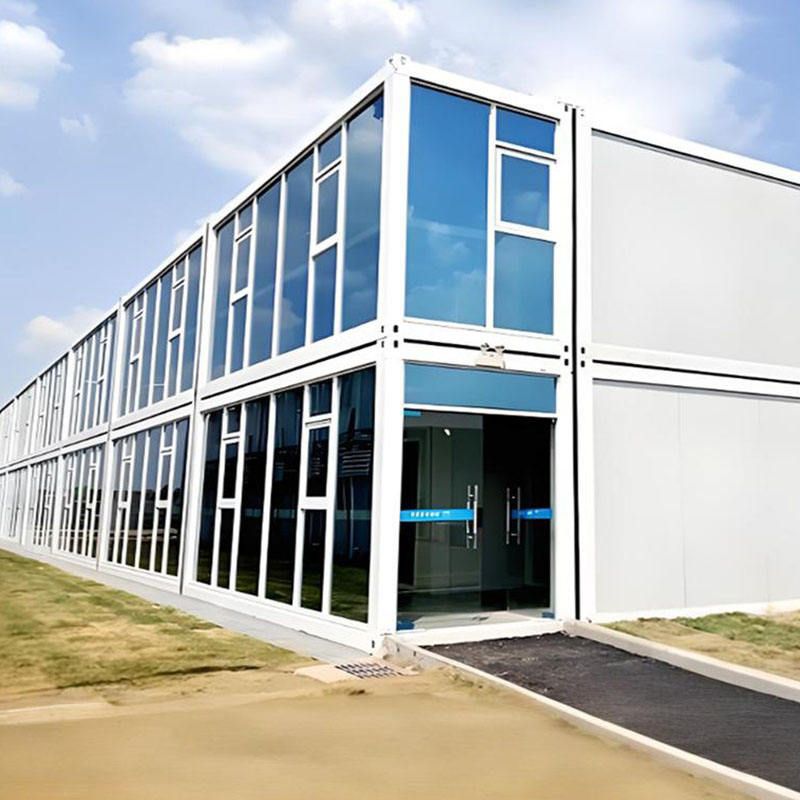
Rapid Assembly of Standardized Products
For prefabricated standardized container houses, on-site assembly time is relatively short. For example, Wujiang packing-box units adopt a modular design with internal facilities such as water and electricity, doors, and windows. They can be installed and put into use in as fast as 1 day, suitable for temporary offices on construction sites and employee dormitories. A subway project in Shijiazhuang once used products from a local supplier, with the assembly of 32 units taking only 2.5 days to meet urgent project deadlines.
Small-Scale Custom Projects
If it involves simple renovations or a small number of container combinations, the cycle is usually 7-15 days. For example, in the renovation of a minimalist-style container residence, through factory prefabrication and rapid on-site assembly, the transformation from a metal box to a comfortable living space can be completed in 10-20 days. Such projects are mostly used for personal residences, small offices, or commercial pop-up stores, offering high customization flexibility. However, time needs to be reserved for interior decoration and functional optimization.
Large-Scale Custom Projects
For complex designs or multi-story buildings, the cycle is significantly extended. For example, the three-story office building in the factory area of COSCO Shipping Nantong Shipyard is composed of 96 specially made containers. Container manufacturing took 6 days, and on-site assembly took 5 days, totaling 11 days for completion. The delivery cycle for regular custom container houses is 30-45 days, including scheme design (3-7 days), factory prefabrication (20-30 days), transportation (1-5 days), and on-site installation (3-7 days). If it involves irregular structures, special approvals, or peak-season production scheduling, the cycle may be further extended.
Key Influencing Factors
- Scale and Complexity: Multi-story buildings or special functional requirements (such as earthquake resistance and thermal insulation) require more time.
- Factory Prefabrication Level: High-precision factory prefabrication can reduce on-site construction volume and shorten the cycle.
- Approval and Logistics: For projects in different locations, transportation time and possible delays in the approval process need to be considered.
It is recommended to reserve a margin according to actual needs and clarify delivery milestones with the manufacturer to ensure the project is completed on time.



