
How Long Does a Container House Last
The service life of a container house typically ranges from 5 to 50 years, with the specific lifespan influenced by multiple factors such as the house type, material, maintenance, and usage environment.
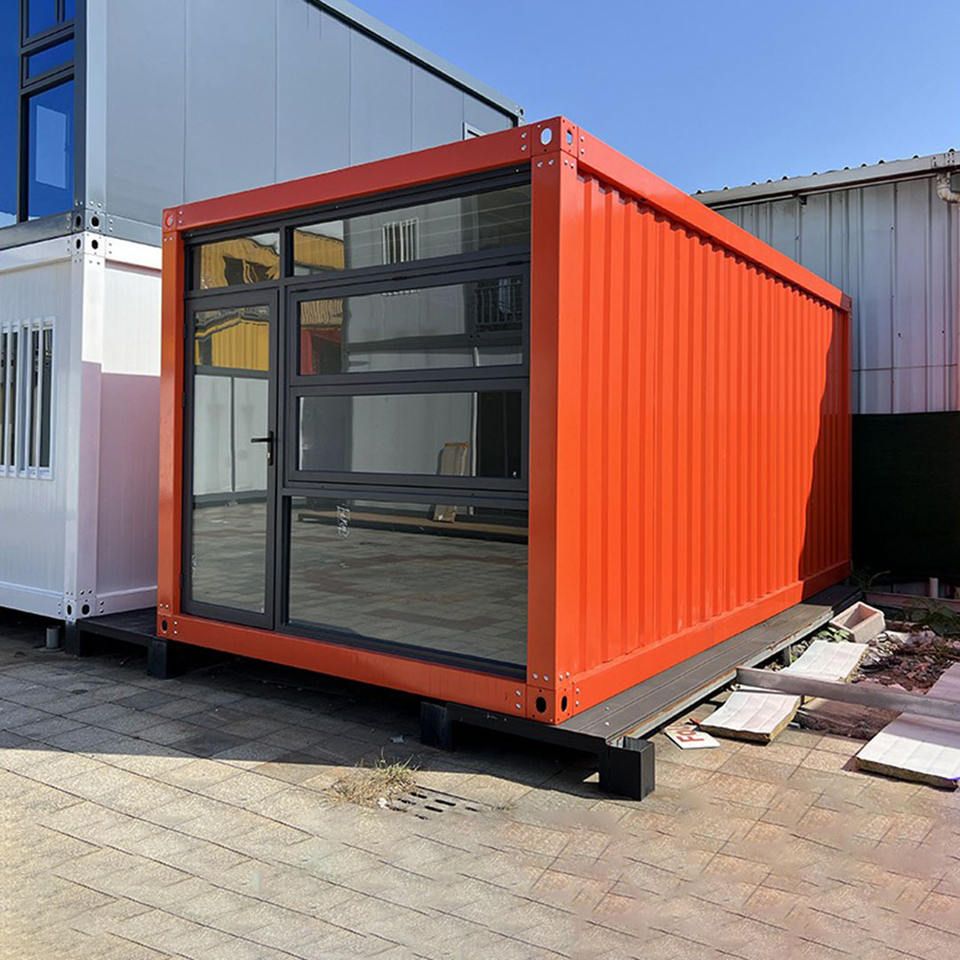
In terms of house type, there are significant differences in the lifespans of container houses with different structures. Assembly houses are mostly used for accommodation, office work, or storage. They are flexibly designed but have relatively limited structural strength, with a typical service life of 5 to 20 years. Box-type houses have a wider range of applications. Depending on different environmental requirements, their lifespans usually range from 8 to 15 years. If special designs are adopted, such as structural reinforcement or anti-corrosion treatment, they can last up to 25 years. Light-steel villas are semi-permanent buildings, often used in scenarios like new rural houses and cultural and tourism accommodations. After professional technical treatment, their lifespans can be extended to 50 years, approaching that of traditional brick-and-concrete houses.
Material is one of the core factors determining the lifespan. Ordinary carbon steel containers, if not treated with anti-corrosion measures, are prone to oxidation and corrosion in the natural environment, with a lifespan of about 10 to 15 years. If anti-corrosion coatings or galvanizing processes are used, the lifespan can be increased to 20 to 25 years. Aluminum alloy or stainless steel materials have strong corrosion resistance, with a lifespan of 25 to 30 years or even longer. For example, container houses used in coastal areas, if made of aluminum alloy, may have a lifespan more than 10 years longer than that of carbon steel houses in inland areas.
The usage environment also plays a crucial role in the lifespan. In coastal or humid areas, the salt and moisture in the air accelerate metal corrosion, resulting in a lifespan 3 to 5 years shorter than that in dry inland areas. In high-temperature or extremely cold regions, extreme temperatures can cause thermal expansion and contraction of materials, leading to structural deformation or loosening of connecting parts. Insulation and heat-preservation measures, such as adding rock wool layers or double walls, are required to enhance durability. In areas prone to earthquakes or strong winds, houses need to have their structures reinforced, such as by adding anchor bolts, diagonal braces, or wind-resistant cables, to resist external forces. Otherwise, local damage may lead to a shortened overall lifespan.
In addition, regular maintenance can significantly extend the lifespan of the house. For example, inspecting and reapplying anti-corrosion paint every 2 to 3 years, replacing aging sealing strips, and cleaning the drainage system can extend the lifespan of ordinary carbon steel houses to more than 25 years. If anti-corrosion materials are combined with professional maintenance, some houses can even have a service life of up to 30 years.



