
How Long Do Portable Toilets Last
The typical lifespan of portable toilets is usually around 5 to 10 years, but the actual service life varies due to factors such as material, maintenance, and usage environment.
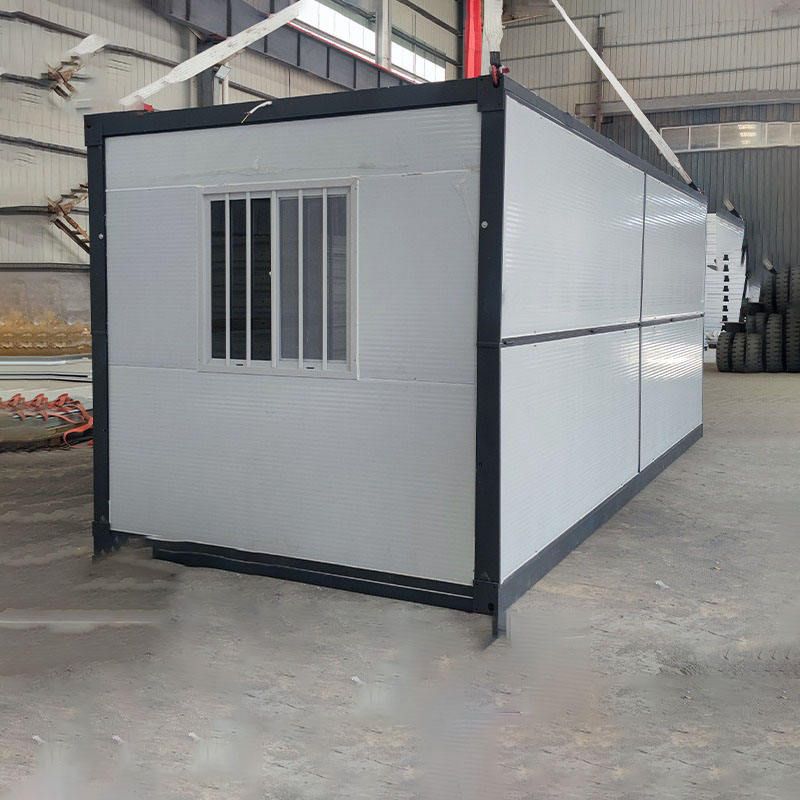
Material is the core factor determining durability. Portable toilets made of high-quality stainless steel, fiberglass-reinforced plastic, etc., are more durable and can last for 10 years or even longer. For example, fiberglass-reinforced plastic has strong corrosion resistance and good UV resistance, with a typical service life of 5-8 years; while polyethylene, although lightweight and easy to transport, has relatively weak anti-aging performance, with a general service life of 3-5 years. Portable toilets on construction sites, which need to be moved frequently and have high usage intensity, may have their lifespan shortened to 3-5 years if made of ordinary steel or plastic; if made of high-strength alloys or thickened fiberglass-reinforced plastic, their lifespan can be extended to 6-8 years.
Maintenance directly affects service life. Regular cleaning and disinfection, checking the operating status of internal facilities (such as water tanks, flushing systems, and ventilation equipment), and promptly repairing or replacing damaged parts can effectively extend the lifespan. For example, cleaning once a month and checking for aging of seals can prevent structural corrosion caused by leakage; lubricating hinges and locks every quarter can prevent parts from getting stuck or breaking. If maintenance is neglected for a long time, such as failing to clean fecal residues in a timely manner or repairing water leakage problems, it may lead to rusting of metal parts and embrittlement of plastics, potentially shortening the lifespan by 30%-50%.
Usage environment is a key variable. In harsh environments such as seaside and industrial areas, salt or corrosive substances in the air can accelerate toilet aging. For example, salt spray corrosion in coastal areas can shorten the lifespan of metal parts by 20%-30%, requiring the use of anti-corrosion coatings or stainless steel materials; in cold regions, low temperatures can cause plastic embrittlement, necessitating the selection of low-temperature-resistant materials and strengthening winter insulation measures. However, when used in mild indoor environments or normal public areas, the lifespan may be extended to 8-10 years. Portable toilets on construction sites, if exposed to sunlight and rain for a long time, may have a lifespan 2-3 years shorter than when used indoors.
In addition, due to their special usage scenarios, portable toilets on construction sites usually have a lifespan of 3-8 years, which is jointly affected by factors such as material, structural design, usage intensity, environmental conditions, and maintenance. For example, a design with a high-strength alloy frame and anti-slip flooring can enhance impact resistance; while a simple plastic structure may show damage within 2 years under high-frequency use.



