
How Long Can Prefabricated Panel Houses Last?
The service life of prefabricated panel houses is not fixed and is influenced by various factors. Theoretically, it can exceed 70 years, but there are significant differences in actual lifespans.
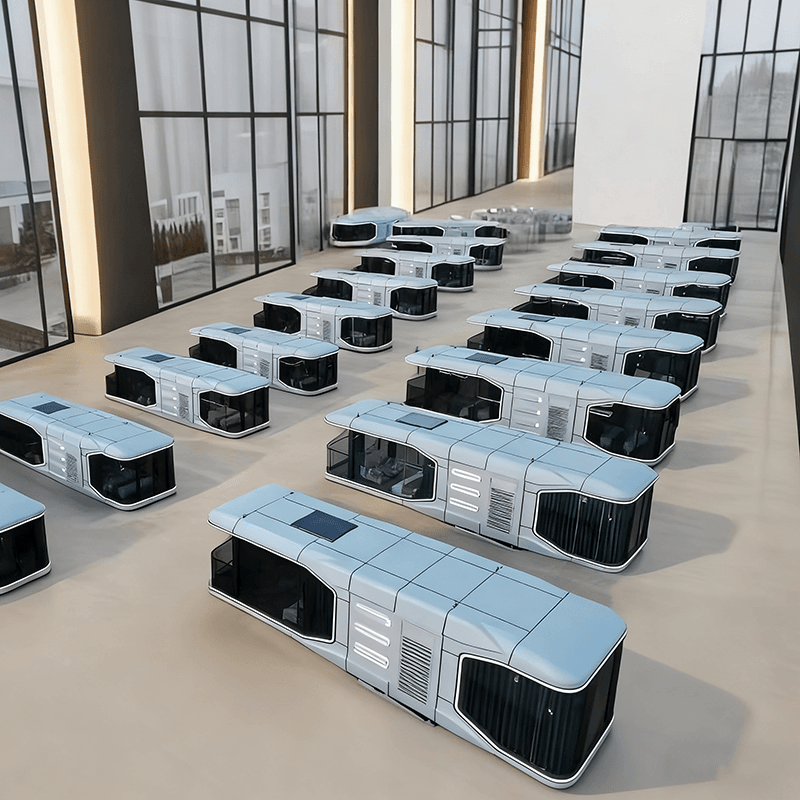
Design References and Standard Regulations: In the past, engineers provided an aging reference period of three to four decades based on the level of building materials at the time, assuming almost no maintenance. However, this is not a mandatory scrapping period. The national standard design service life for ordinary residential buildings is 50 years. With normal construction and maintenance, major repairs are not required within 50 years. After expiration, if the building passes inspection, it can still be inhabited after repair and reinforcement.
Factors Affecting Actual Lifespan:
- Construction Quality: The construction quality at the time significantly impacts the lifespan of prefabricated panel houses. Good construction quality results in a stable house structure that can better withstand various external forces and extend the service life. Conversely, poor construction quality may lead to structural defects, causing problems during house use and shortening the lifespan accordingly.
- Post-construction Maintenance: Post-construction maintenance is crucial. Regular inspections, repairs, and maintenance of the house, along with timely handling of minor issues such as crack repair and waterproofing, can effectively delay house aging and extend the service life. If maintenance is lacking, minor issues may gradually escalate into major problems, affecting house safety and service life.
- Surrounding Environment: The surrounding environment also affects the lifespan of prefabricated panel houses. For example, if a house is located in a humid or highly corrosive environment, the prefabricated panels are prone to erosion, reducing their strength and durability. If there are large vibration sources nearby, such as factories or traffic arteries, long-term vibration may cause the house structure to loosen and affect the service life.
Impact of Special Circumstances: House subsidence may cause cracks in the prefabricated panels, affecting their load-bearing capacity and service life. During earthquakes, since prefabricated panels lack seismic resistance, they are prone to damage under seismic action, significantly shortening the service life.
House Grading and Handling Methods: The state classifies houses into four grades from A to D. The vast majority of prefabricated panel buildings belong to Grade A and undergo renovation and maintenance rather than demolition. Only Grade D dilapidated houses are scheduled for demolition.



