How Long Can Plastic Mobile Toilets Last
The normal service life of plastic mobile toilets is approximately 8 to 15 years, with the specific duration significantly influenced by material, usage environment, and maintenance methods. The following analysis is conducted from different dimensions:

Material differences directly affect the basic lifespan
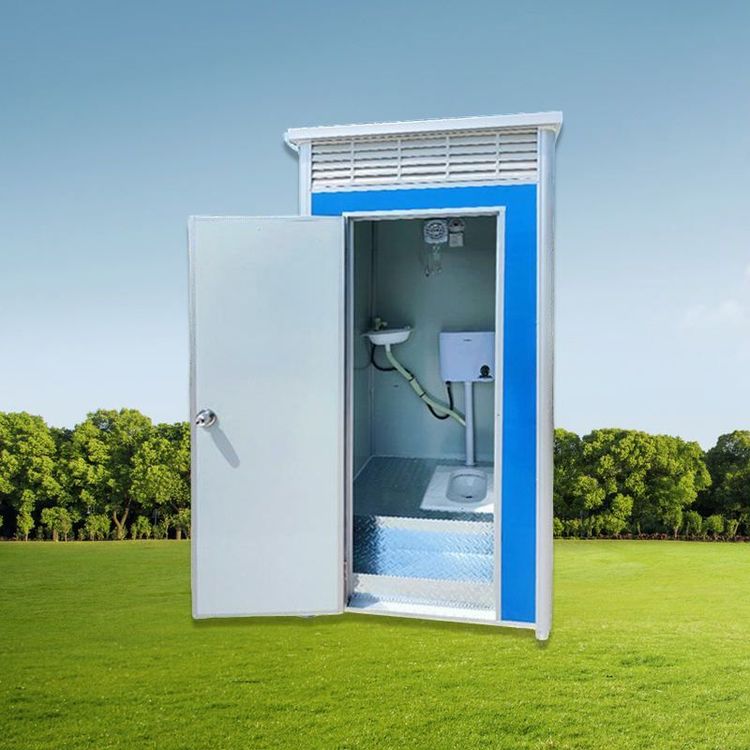
Brand-new rotationally molded HDPE integrated mobile toilets are made of high-density polyethylene (HDPE) material and formed through a rotational molding process in one piece, featuring freeze resistance, sun resistance, anti-seepage, and durability. Their normal outdoor service life can exceed 15 years, with a 5-year warranty for the shell. Components such as door locks and water tanks can be replaced and maintained separately, further extending the overall service cycle. In contrast, mobile toilets made of ordinary plastic materials, due to their lower cost and relatively simple structure, are prone to aging and becoming brittle when exposed to wind and sun for extended periods, with a typical service life ranging from 8 to 10 years.
Usage environment accelerates or delays the aging process
Long-term outdoor exposure is a key factor affecting lifespan. Ultraviolet radiation accelerates the breaking of plastic molecular chains, leading to surface embrittlement; extreme temperatures (such as severe cold or heat) may cause material contraction or expansion, resulting in structural deformation. If mobile toilets are installed in shaded, well-ventilated areas or equipped with protective measures such as sunscreen coatings and rain shelters, the aging speed can be significantly reduced. Additionally, in coastal or high-humidity areas, attention should be paid to corrosion prevention to avoid salt or moisture erosion of metal components.
Maintenance methods determine the actual service duration
Regular cleaning and maintenance are core measures for extending lifespan. For example, monthly cleaning of fecal residue, inspection of whether the sealing strips are aging, and lubrication of mechanical components such as door hinges can prevent functional failures caused by dirt accumulation or component wear. If cracks or deformations are found in the shell, timely contact with the manufacturer for repair or component replacement is necessary to prevent minor issues from evolving into structural damage. For HDPE toilets, even if local damage occurs, it can be repaired through hot-melt welding, further reducing the risk of scrapping.
Summary
The lifespan of plastic mobile toilets is not a fixed value but the result of the combined effects of material, environment, and maintenance. Choosing high-quality materials such as HDPE, optimizing the installation environment, and establishing a regular maintenance system can make the service life approach the theoretical upper limit (15 years); if maintenance is neglected or the toilets are exposed to harsh environments for extended periods, the lifespan may be shortened to around 8 years.