Back to blog
Article
How Long Can Container Houses Last
Admin September 17, 2026
The lifespan of container houses varies widely, typically ranging from 5 to 50 years, depending on the type of house, design and construction techniques, usage environment, and maintenance practices. The following provides an explanation from the perspectives of different types and influencing factors:
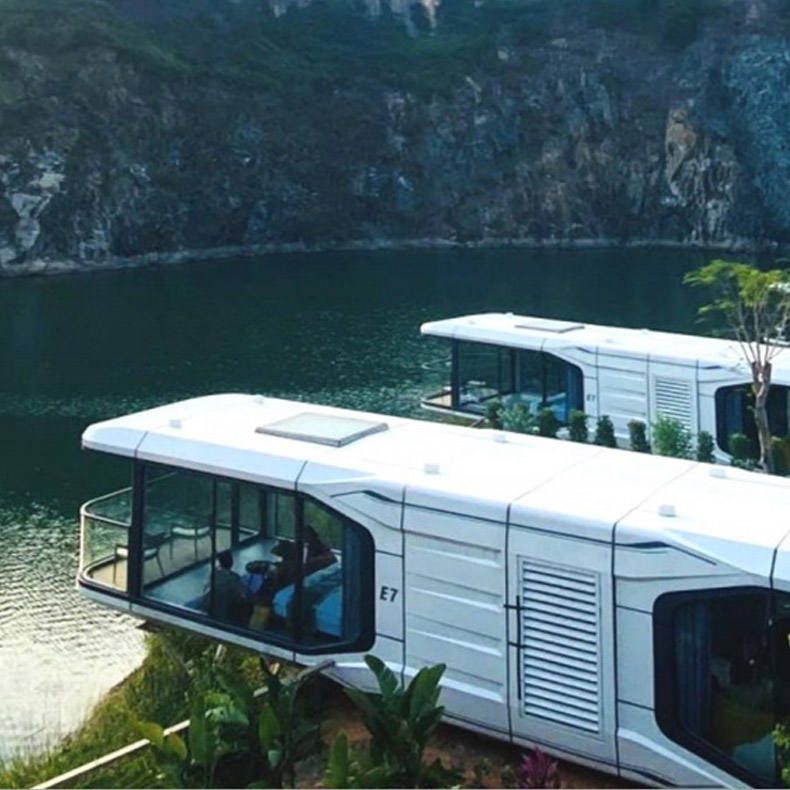
I. Lifespans of Different Types of Container Houses
- Assembled Houses: Primarily constructed through modular assembly, these are mostly used for temporary accommodation, offices, or storage. Their structures are relatively simple, with lower standards for material thickness and anti-corrosion treatment, typically designed to last 5-20 years. If exposed to high humidity or strongly corrosive environments (such as coastal areas) for extended periods without timely maintenance, their lifespan may be reduced to less than 10 years.
- Box-Type Houses: These are modified from standardized shipping container frames and have a wide range of applications. Due to material and construction limitations, ordinary box-type houses generally have a lifespan of 8-15 years; however, through special designs (such as thickened steel plates and reinforced structural connections) or the use of ship-grade anti-corrosion techniques, their lifespan can be extended to 25 years.
- Light Steel Villas: These feature a light steel structure as the main body, combined with insulation and soundproofing materials, and are commonly used for semi-permanent buildings such as new rural houses and cultural tourism accommodations. Their core structures are made of galvanized steel, which, after professional rust prevention treatment, can have a lifespan of up to 50 years, but regular inspections of node connections and roof waterproofing are required.
- Container Module Houses: These use corrosion-resistant steel plates (such as Corten steel) and eco-friendly panels as core materials, combined with ship anti-corrosion techniques (such as electrophoretic coating and hot-dip galvanizing), and generally have a lifespan exceeding 20 years. If used in dry and less rainy areas and properly maintained, their lifespan can be further extended.
II. Key Factors Affecting Lifespan
- Climate and Environment: High humidity and salt spray environments (such as coastal areas) accelerate metal corrosion; frequent freeze-thaw cycles (such as in northern regions) may cause structural cracking; and strong ultraviolet radiation (such as in plateau areas) accelerates paint aging.
- Usage Patterns and Frequency: Long-term overloading (such as stacking heavy objects) or frequent assembly and disassembly weaken structural stability; when used as permanent residences, higher seismic and fire resistance standards must be met.
- Maintenance and Upkeep: Regular rust prevention treatments (such as applying anti-corrosion paint), inspecting structural connections, and replacing aging seals can significantly extend lifespan. For example, comprehensive anti-corrosion maintenance every 5 years can extend the lifespan of assembled houses to over 20 years.
Conclusion: The lifespan of container houses must be evaluated based on their specific types and environments. Choosing a type suitable for the scenario, using high-quality materials and techniques, and establishing a regular maintenance mechanism are key to extending their lifespan.
Related