
How Long Can Container Houses Be Used?
The service life of container houses typically ranges from 5 to 50 years, with the specific lifespan significantly influenced by their type, usage environment, and maintenance conditions.
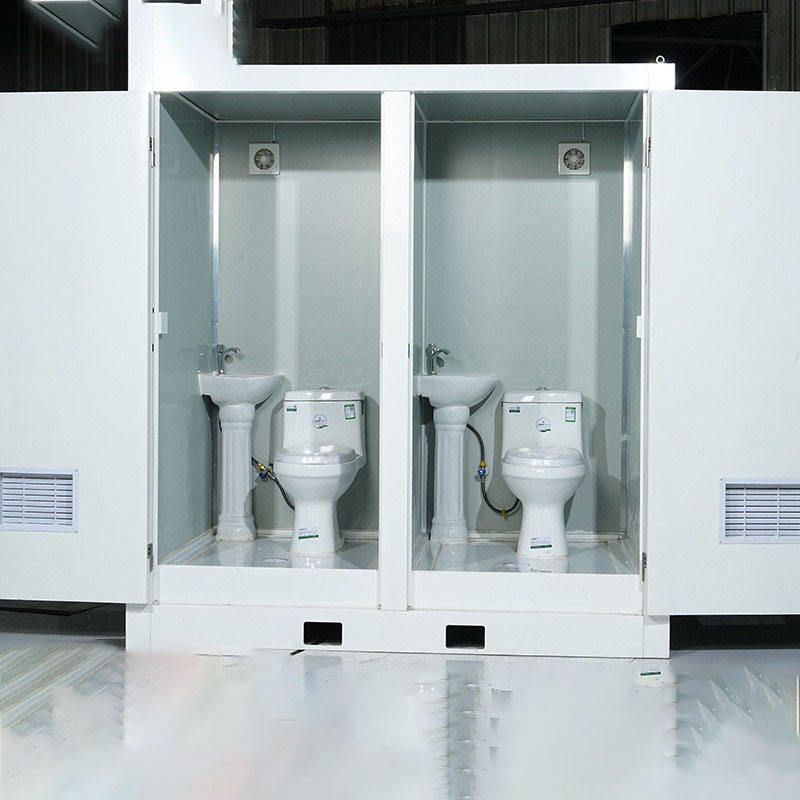
I. Lifespan Differences Among Various Types of Container Houses
- Assembled Houses: Customized according to customer needs, these houses generally have a service life of 5 to 20 years. Their structural flexibility is high, but differences in materials and construction techniques directly affect the upper limit of their lifespan.
- Box-Type Houses: These typically have a service life of 8 to 15 years. With special designs (such as enhanced anti-corrosion treatments or structural optimizations), their lifespan can extend up to 25 years. These houses are often used for temporary buildings or construction site dormitories, with their lifespan significantly affected by usage frequency.
- Light Steel Villas: After professional technical treatment, these villas can have a service life of up to 50 years. Their main structures are made of high-strength steel, combined with anti-rust coatings and insulation materials, offering superior long-term stability compared to other types, albeit at a relatively higher cost.
II. Impact of Materials and Construction Techniques on Lifespan
Container houses with steel plate exteriors, due to their corrosion-resistant and acid-resistant properties, can have a service life of over 20 years with regular maintenance. Using high-quality decoration materials (such as fire-resistant panels and eco-friendly paints) and professional construction can significantly enhance living comfort and extend the lifespan. For example, failure to promptly repair peeling exterior coatings can lead to steel plate rusting, shortening the overall lifespan of the house.
III. Key Roles of Usage Environment and Maintenance
- Climatic Conditions: Long-term exposure to extreme environments (such as high humidity, strong ultraviolet rays, or salt spray environments) can accelerate material aging. For instance, container houses in coastal areas require more frequent anti-corrosion maintenance due to the high salt content in the air.
- Maintenance Frequency: Regular inspections of structural stability (such as welding points and bolt connections), repairing peeling paint, and cleaning drainage systems can effectively delay aging. Without maintenance, even initially high-quality houses may suffer severe damage within 10 years.
IV. Practical Suggestions for Extending Lifespan
- Choose materials suitable for local climatic conditions (such as adding insulation layers in cold areas and enhancing moisture-proof treatments in humid areas);
- Avoid arbitrary structural modifications to prevent disrupting the original load-bearing balance;
- Conduct a comprehensive inspection every 2 to 3 years, focusing on identifying rust, deformation, and loose connections.
Through scientific selection, standardized construction, and regular maintenance, the lifespan of container houses can approach their theoretical upper limit and even surpass some usage scenarios of traditional brick-and-mortar houses.



