
How Long Can a Container House Last
The service life of a container house is typically around 20 to 30 years. With regular maintenance and upkeep, it can be extended to over 30 years, and some specially designed or high-quality products can even last up to 50 years. Its specific lifespan is influenced by the following factors:
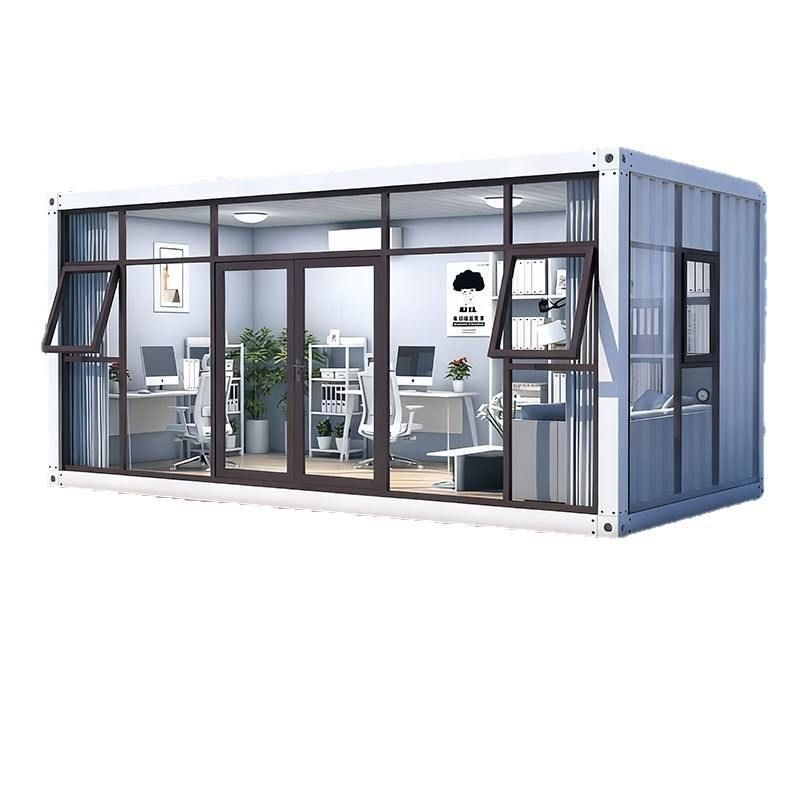
1. Container Material and Initial Quality
Container houses are mostly made of corrosion-resistant steel, with a designed lifespan of generally 25 years or more. If high-quality steel is used, manufactured with strict processes, and treated with anti-rust, fireproof, and thermal insulation measures, their initial structural stability is stronger, and the upper limit of their lifespan is higher. For example, customized container houses using thickened steel plates and anti-corrosion coatings can have a lifespan exceeding 30 years.
2. Usage Environment
The environment has a significant impact on the lifespan of container houses:
- Humid or high-salt areas (such as coastal and rainy regions): Corrosion issues are prominent, and enhanced anti-corrosion treatment (such as using anti-rust paint and thermal insulation coatings) is required; otherwise, the lifespan may be shortened to 15-20 years.
- Dry or mild environments (such as deserts and inland areas): The risk of corrosion is low, and the lifespan may be extended to over 30 years.
- Extreme climates (such as strong winds, high temperatures, and severe cold): Additional structural reinforcement and optimization of thermal insulation and ventilation designs are necessary; otherwise, the materials are prone to aging, and the lifespan is shortened.
3. Maintenance and Upkeep
Regular maintenance is key to extending the lifespan:
- External maintenance: Check the coating, welds, and seals every 1-2 years, promptly repaint and replace aging components to prevent rust and water leakage.
- Internal maintenance: Check the water and electricity pipelines, thermal insulation facilities, and ventilation systems every 3-5 years, and update aging wiring and insulation materials.
- Cleaning and ventilation: Keep the interior dry and clean to prevent mold growth, which can extend the service life of wood, metal, and other materials.
4. House Type and Design
- Temporary buildings (such as construction site dormitories): The lifespan is usually 5-15 years, using simple materials and requiring low maintenance frequency.
- Semi-permanent buildings (such as cultural and tourism accommodations): The lifespan can reach 20-30 years, using customized containers and high-quality decorations.
- Special designs (such as light steel villas): Through professional technical treatment (such as salt spray tests to verify anti-corrosion standards), the lifespan can reach 50 years.



