
How Long Can a Container House Be Used?
The service life of a container house typically ranges from 10 to 30 years, with the specific lifespan significantly influenced by factors such as materials, maintenance, and environmental conditions.
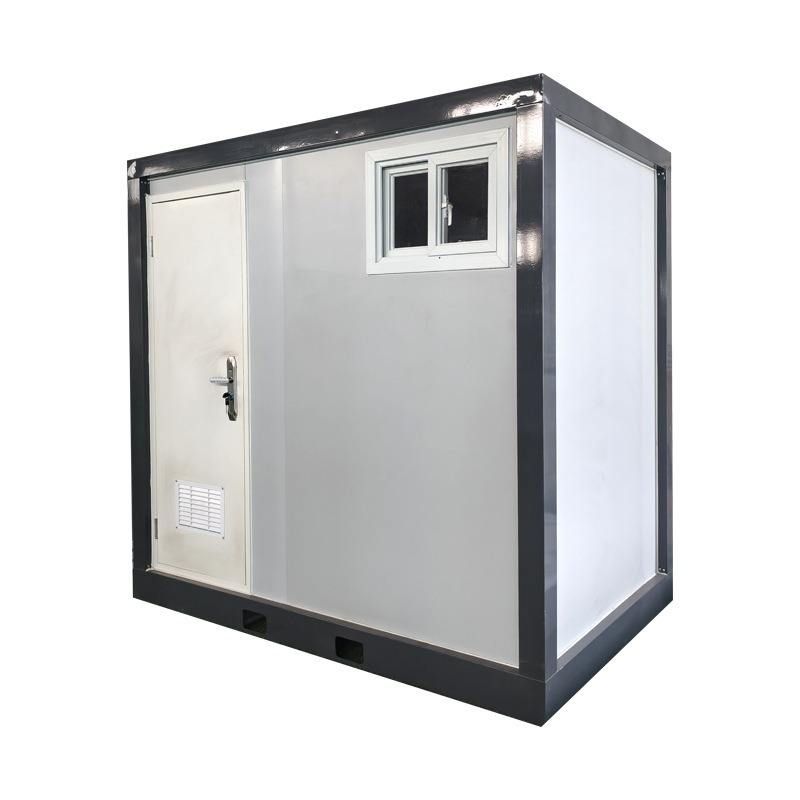
Impact of Materials on Lifespan
The primary material of a container house directly affects its durability. If standard-thickness weathering steel (such as Corten steel) is used, its strong corrosion resistance allows for a service life of over 20 years under normal environmental conditions. If thin steel plates (such as ordinary steel with a thickness of less than 1.6mm) are used, the structural strength and corrosion resistance will significantly decline, potentially reducing the lifespan to 5 to 8 years. Some high-end products undergo special corrosion-resistant treatments (such as galvanizing or spraying anti-corrosion coatings), which can further extend the service life to over 25 years.
Role of Maintenance and Upkeep
Regular maintenance is crucial for extending the lifespan of a container house. Daily maintenance includes checking the tightness of structural connectors (such as bolts and welds) and promptly repairing any damage to the surface coating to prevent rust from spreading. Environmental adaptability maintenance needs to be adjusted according to the usage scenario: for example, in coastal or high-humidity areas, additional moisture-proof treatments are required, and in dusty environments, the tightness inspection needs to be strengthened. Without basic maintenance, even with high-quality materials, the house may become obsolete within 10 years due to issues such as rust and deformation.
Constraints of Environmental Factors
Environmental conditions play a decisive role in the corrosion rate of container houses. In mild climate zones (such as dry inland areas), if the materials and maintenance are adequate, the lifespan can reach 25-30 years. Highly corrosive environments (such as coastal areas, industrial pollution zones, or areas at risk of chemical substance leaks) will accelerate metal corrosion. Even with weathering steel and regular maintenance, the lifespan may be shortened to 15-20 years; if the materials are weak and maintenance is insufficient, severe damage may occur within 5-8 years. Additionally, extreme weather conditions (such as strong winds, heavy rain, and snow accumulation) may cause physical damage to the structure, which needs to be mitigated through reinforcement designs (such as adding diagonal braces and optimizing drainage systems).
Summary: The lifespan of container houses varies widely. To maximize their designed lifespan, it is necessary to select high-quality materials, implement scientific maintenance, and adapt to environmental needs through coordinated efforts.
You may also like

Portable Toilet Eco-Friendly: MOQ, Samples & Quotation Guide
Read More
Top Portable Toilet Color Steel Manufacturers: How to Choose a Factory Partner
Read MorePortable Toilet Picture: Types, Features & Buying Tips
Read More