How Container Houses Resist Earthquakes
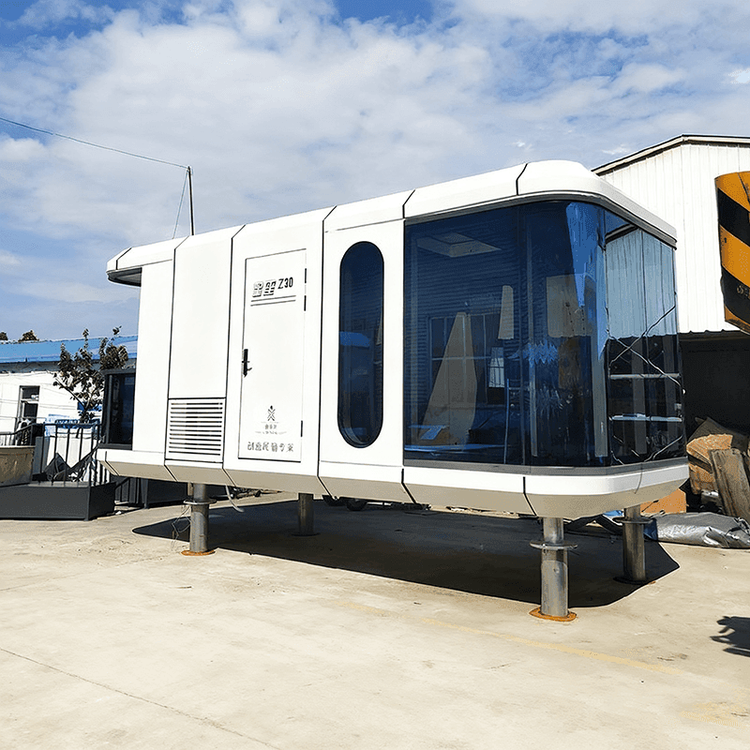
Container houses, through reasonable structural design and material selection, possess good earthquake-resistant performance, effectively reducing the damage caused by earthquakes and ensuring the safety of personnel.

Structural Framework and Connection Methods
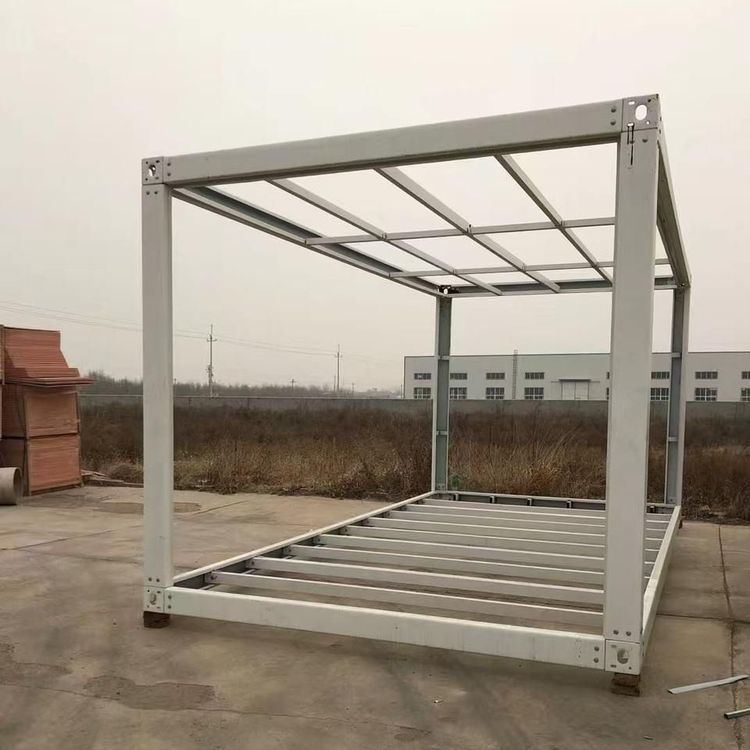
Container houses are primarily composed of steel structural frameworks, which are reliably fixed to foundations or foundation beams through bolts or welding, forming an overall load-bearing structure. For example, Chengdong Housing products use lightweight steel structures, with the framework tightly connected to the foundation, capable of withstanding an earthquake intensity of 8 degrees (equivalent to a seismic resistance grade of 6.4), and their performance has been verified through ultimate load-bearing capacity tests. This structure can effectively disperse seismic forces during earthquakes, avoiding damage caused by local stress concentrations.
Material Properties and Toughness
Lightweight steel structural materials have good toughness and can undergo a certain degree of elastic deformation under the action of seismic waves, absorbing and dissipating seismic energy, thereby reducing the degree of structural damage. For example, foldable container houses were widely used in the earthquakes in Turkey and Syria. Their lightweight steel structures did not collapse as a whole during strong earthquakes, providing safe temporary shelters for disaster victims.
Modular Design and Stability
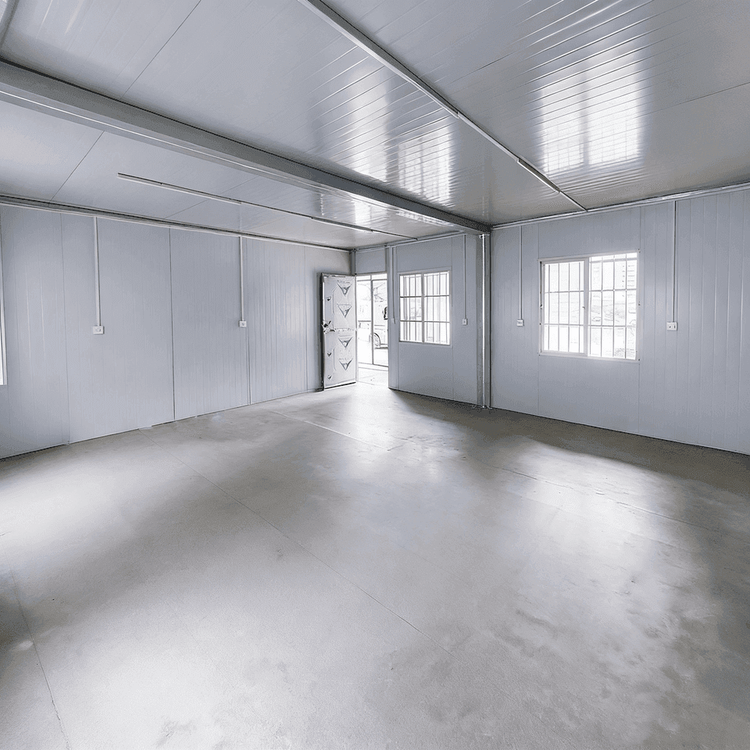
Container houses adopt a modular design, with boxes connected through bolts or welding to form a stable overall structure. For example, Tongfu Mobile House's container-type modular design uses a framework load-bearing structure supplemented by sandwich panel walls, effectively dispersing wind pressure and seismic forces. This design avoids the risk of collapse caused by weak connections between walls and frameworks in traditional masonry structures.
Practical Application Verification
The earthquake-resistant performance of container houses has been fully verified in multiple earthquake disasters. For example, during the Jishishan earthquake in Gansu Province, the foldable container houses donated by Zeyu Shijia were completed within 48 hours. Their lightweight steel structures and reinforced designs withstood the impact of strong earthquakes, providing safe temporary shelters for disaster-stricken people. In addition, Japan has improved the earthquake resistance of traditional wooden houses through box designs, allowing houses to roll as a whole during earthquakes without being damaged. This concept is similar to the modular design of container houses.