Back to blog
Article
How About Smart Mobile Toilets
Admin October 09, 2026
Smart mobile toilets are a comprehensive management system for the entire business process of public toilets. They have practical functions but also some aspects that need attention, and are an important part of smart city infrastructure.

Advantages and Functions
- Advanced Technology: The technological foundation of smart mobile toilets is composed of cutting-edge technologies such as the Internet of Things, big data, cloud computing, artificial intelligence, and automation control. Taking Xiangxing (Taicang Xiangjin Environmental Protection)'s smart public toilet as an example, it has installed a "digital brain" in the public toilet, which can convert information such as the usage status of toilet stalls, odor levels, water and electricity consumption, and cleaning needs into data. Managers can view the real-time situation inside the toilet through a screen.
- Multiple Practical Functions:
- Toilet Stall Guidance System: The screen at the entrance shows which toilet stalls are vacant, so visitors do not need to push open each door to find one, saving time and improving usage efficiency.
- Environmental Monitoring and Adjustment: It can automatically monitor odor, temperature, and humidity, and adjust ventilation and air conditioning according to the monitoring results to keep the public toilet in a comfortable state at all times.
- Water and Electricity Management: It can provide real-time statistics on water and electricity consumption. When abnormal data occurs, it will automatically alarm, helping to promptly identify and solve water and electricity problems and avoid resource waste.
- Cleaning Task Assignment: It can automatically schedule cleaning tasks based on the actual number of users, no longer relying on fixed cleaning times, making the cleaning work more scientific and reasonable.
- System Integration and Collaboration: As a part of smart city infrastructure, smart public toilets can be integrated with management platforms such as smart cities, smart sanitation, smart urban management, and smart villages through data integration protocols, achieving all-round collaborative operations across regions, platforms, and systems.
Aspects to Note
- Practicality of Some Functions Needs to be Evaluated: Some fancy functions, such as face recognition for toilet paper dispensing, have high maintenance costs and many malfunctions in actual use, and are not recommended for priority configuration.
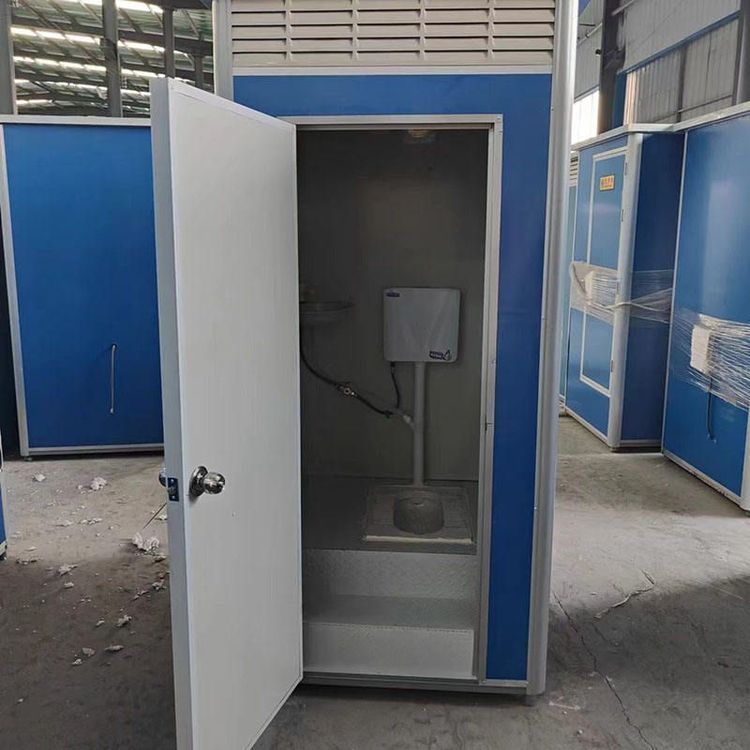
- Hardware Foundation is Crucial: The prerequisite for smartization is solid hardware. If the main body of the public toilet has problems such as water leakage, pipe blockage, and uncontrollable odor, even if the sensors are very sensitive, smartization is meaningless. It is necessary to ensure that the public toilet itself is in good condition before considering smart upgrades. Prefabricated public toilets have all sensors, gateways, and wiring integrated before leaving the factory, which is more stable than post-installation.