Back to blog
Article
How About Container Houses for Housing
Admin September 17, 2026
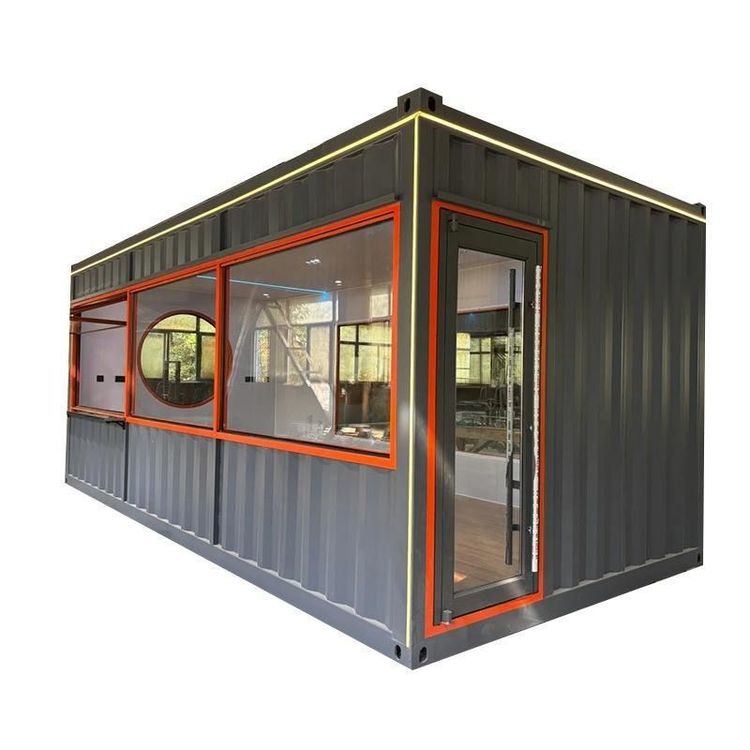
Container houses for housing have multiple characteristics, with both advantages and disadvantages. Overall, they are an innovative and practical form of architecture.

Advantages
- Flexible Design and Production: They adopt modular design and factory prefabricated production, with the container body as the basic unit. They can be used independently or combined in different directions to form spacious spaces, with a maximum of 3 layers stacked vertically. They have fixed dimensions in length, width, and height, and can be arranged with several fixed functional room layouts. They can be flexibly combined into standardized products for mass production.
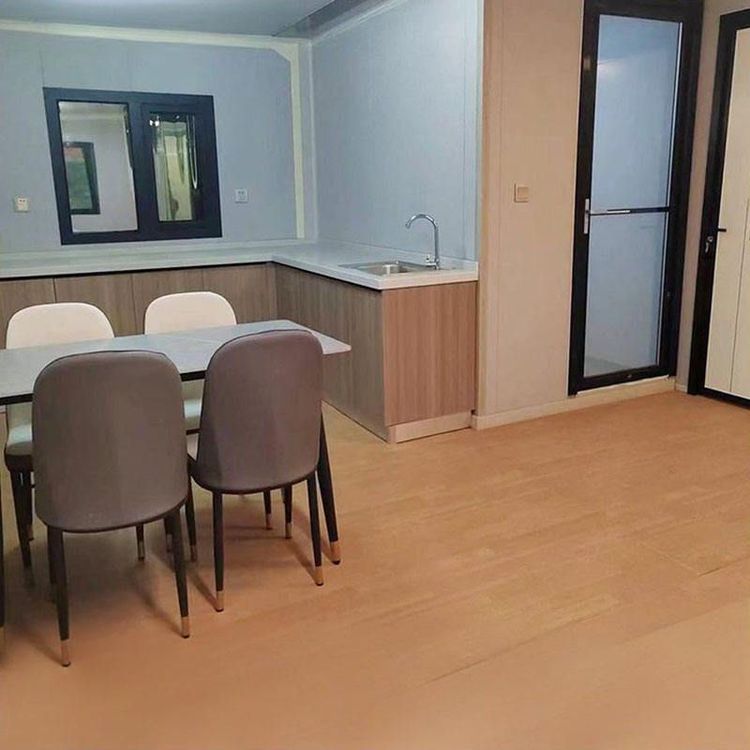
- Convenient and Efficient Use: No secondary decoration is required on-site; they can be occupied immediately after being hoisted and positioned. They can be moved as a whole on-site without disassembly and assembly, greatly reducing the cost of secondary utilization on-site.
- Low Transportation Cost: To adapt to long-distance ocean shipping, the house body is divided into several parts, and several houses can be packaged as a whole into an independent package with the volume of a container for direct ocean shipping, saving a large amount of transportation costs.
- Wide Range of Applications: Due to their characteristics of being environmentally friendly, flexible, and low-cost, they are widely used in fields such as temporary housing, creative spaces, and post-disaster emergency buildings. For example, they are used to form the Asian Games Village, create characteristic homestay scenic spots, build emergency medical facilities, and be transformed into 24-hour self-service fitness cabins.
- Continuous Performance Optimization: There are continuous technological optimizations and research in aspects such as thermal insulation performance, energy supply systems, and intelligent management.
- Stable and Safe Structure: The container unit structure adopts standard components welded from special section steels, and the containers are connected by bolts, resulting in a stable structure and convenient and fast installation. Some branded products have good wind resistance; for example, regular branded quick-assembly container houses can meet the actual test standard of wind level 8.
- Relatively High Cost-effectiveness: They have a certain cost-effectiveness advantage compared to brick-and-mortar houses.
Disadvantages
- Limited Location Selection: They can usually only be placed in desolate places such as suburbs, but they have strong mobility, and the house can remain unchanged when changing locations. In contrast, commercial houses can be chosen according to one's own wishes in downtown areas, suburbs, etc., but it is very difficult to change once purchased.
- Lower Safety Factor: Containers usually only have places to be placed in remote areas, and the residents are relatively scattered, resulting in a lower safety factor. In contrast, a commercial housing community has hundreds or even more households.
- High Manufacturing Cost: Due to the need for overall hoisting and movement, high requirements are placed on the overall rigidity of the house, and strict processing technology is required, resulting in relatively high manufacturing costs. Some small workshops cut corners on products, resulting in poor wind resistance. They are prone to deformation in strong winds, and the cost of rework is high.
Related