
How About Container Houses?
Container houses have both advantages and disadvantages, and a comprehensive assessment is required based on specific needs and usage scenarios.
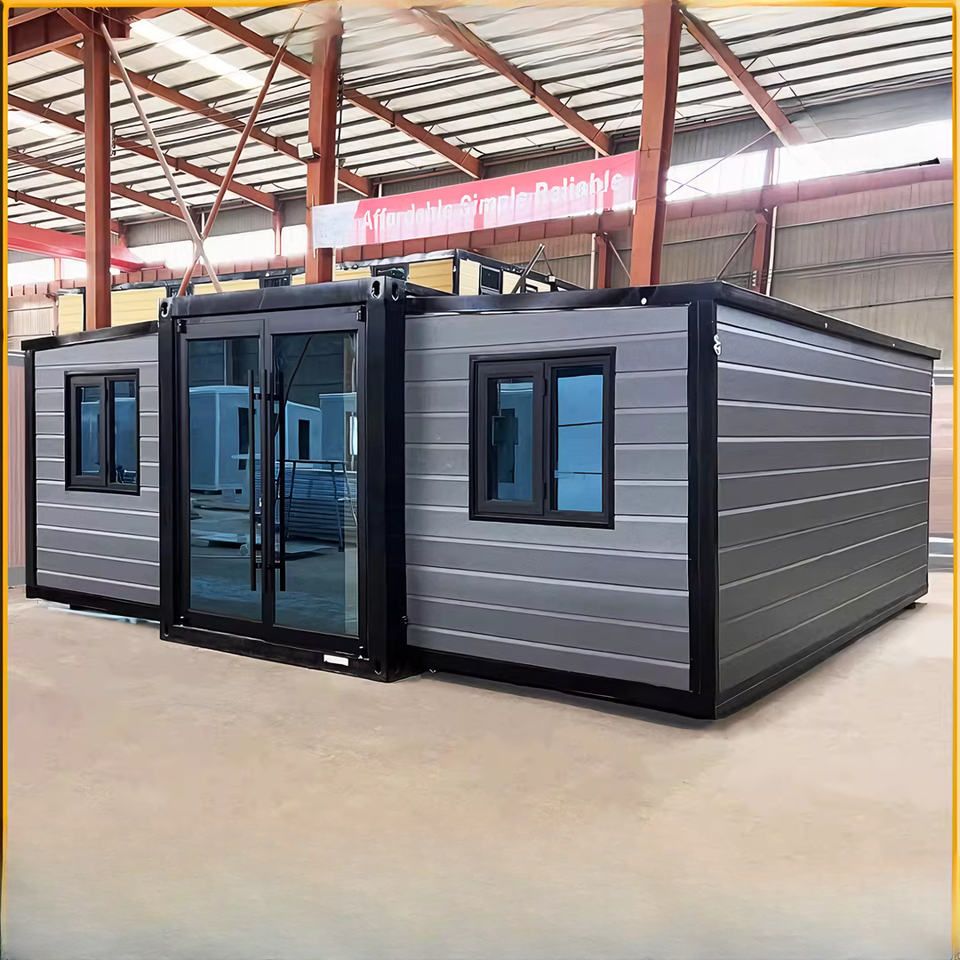
Disadvantages:
Firstly, limited living space. Taking the container temporary housing at Nagoya Port for the 2026 Aichi-Nagoya Asian Games as an example, the single bed measures only 195cm in length and 90cm in width, making it impossible for athletes over 2 meters tall to stretch their legs. The overall room is cramped, with aisles only allowing sideways passage, which can easily lead to a sense of oppression during long-term residence. Secondly, unstable facility quality. Videos exposed by South Korean basketball players show that some rooms have leaking sinks and water accumulation on the floor, indicating potential craftsmanship defects in interior decoration and equipment installation, which affect daily usage experience. Thirdly, poor environmental adaptability. The metal material of container houses has strong thermal conductivity, making them prone to stuffiness in summer. The organizing committee even suggested that athletes open the doors to pre-cool the rooms before closing them to sleep, revealing their comfort shortcomings in extreme climates.
Advantages:
Firstly, sturdy and durable structure. Containers are made of high-strength steel, offering excellent wind and earthquake resistance, making them suitable for temporary or emergency construction. Secondly, convenient assembly and disassembly. The modular design of containers supports rapid assembly and disassembly without complex construction processes, significantly shortening the construction period and reducing labor costs. Thirdly, outstanding environmental protection and cost-effectiveness. Container houses often use recycled and renovated old containers, reducing construction waste. Meanwhile, their cost is lower than that of traditional brick-and-mortar houses, making them particularly suitable for projects with limited budgets or short-term usage. Fourthly, flexible application scenarios. In addition to temporary housing, container houses can also be transformed into creative office spaces, commercial shops, or post-disaster emergency shelters, meeting diverse needs through personalized design.
In summary, container houses are suitable for short-term, low-cost scenarios with low comfort requirements, such as construction site dormitories, post-disaster transitional housing, or temporary event venues. If used for long-term residence or scenarios with high space and facility requirements, their suitability should be carefully evaluated.



