
Tax Cases Related to Housing Containers
Tax cases directly related to container houses are rarely mentioned, but the logic of tax treatment can be inferred from their legal classification, contract validity, and administrative penalty cases, with the core being whether they are recognized as legal buildings and business activities. The following is an analysis combined with specific cases:
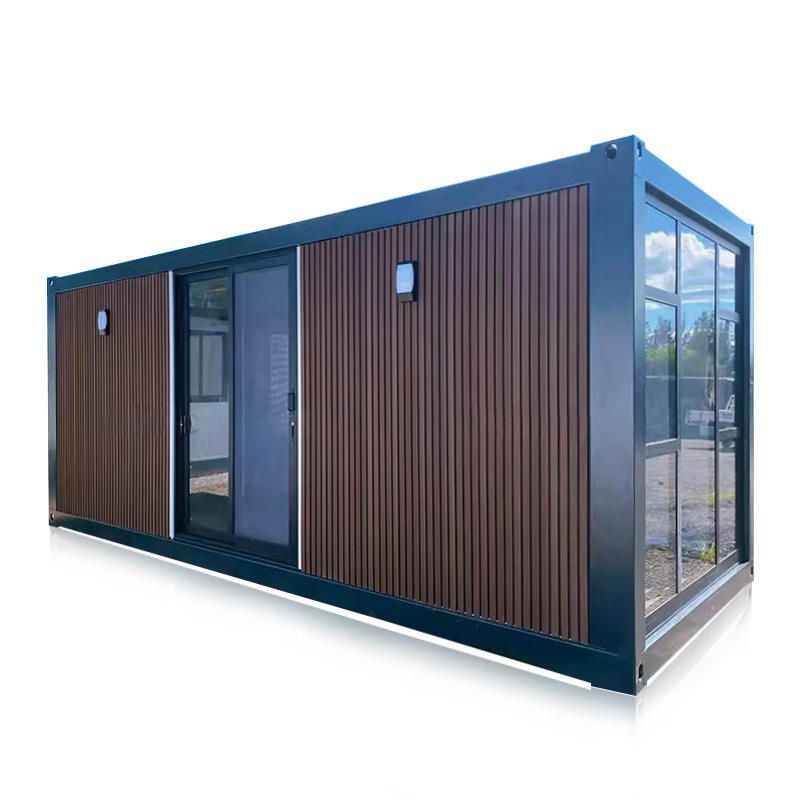
1. Legal Classification Affecting Tax Treatment
If a container house is classified as a 'temporary building', it requires planning approval procedures; otherwise, it may be considered an illegal building. For example, in a case heard by the Yingkou District People's Court in Bayuquan, Liaoning Province, Company A placed renovated containers on a site and rented them out. Due to the lack of planning approval, the court ruled the lease contract invalid. In such cases, the lessor may face administrative penalties, and the rental income may be considered illegal gains, making it impossible to issue legal invoices for tax purposes, and the lessee cannot deduct the rent as a cost.
2. Tax Obligations in Legal Business Operations
If a container house obtains legal approval, its business activities must be taxed in accordance with the law. For example, prefabricated buildings (including modular buildings) exported from Humen Port in Dongguan are subject to value-added tax and corporate income tax. If a company rents out container houses, it must pay value-added tax as 'real estate leasing' (with a general taxpayer rate of 9% and a small-scale taxpayer levy rate of 5%) and declare property tax (levied on rental income at a rate of 12%). Additionally, in terms of corporate income tax, rental income must be included in the taxable income for calculation and payment.
3. Tax Risks in Administrative Penalties
Container houses without approval used for business operations may face administrative penalties, indirectly affecting tax treatment. For example, in the penalty imposed by the Caojing Town Comprehensive Administrative Law Enforcement Team in Jinshan District on Mr. Xu, who rented out containers without approval and was ordered to stop renting and face administrative penalties. In such cases, the lessor may need to make up for taxes and late fees arising from illegal business operations and may even face tax fines.
4. Tax Treatment in Special Scenarios
In some innovative application scenarios, the tax treatment of container houses needs to be combined with specific policies. For example, in the Canadian 'container yacht' case, if the house is recognized as a 'floating residence' and used for self-occupation, it may not be subject to local property tax; however, if used for commercial operations (such as renting), it must pay relevant taxes and fees in accordance with local tax laws.



