
Housing Container QC Work
The QC work for housing containers is primarily responsible for quality control during the production process of container houses, covering aspects such as raw material inspection, production process monitoring, and finished product testing to ensure that products meet quality standards and customer requirements.
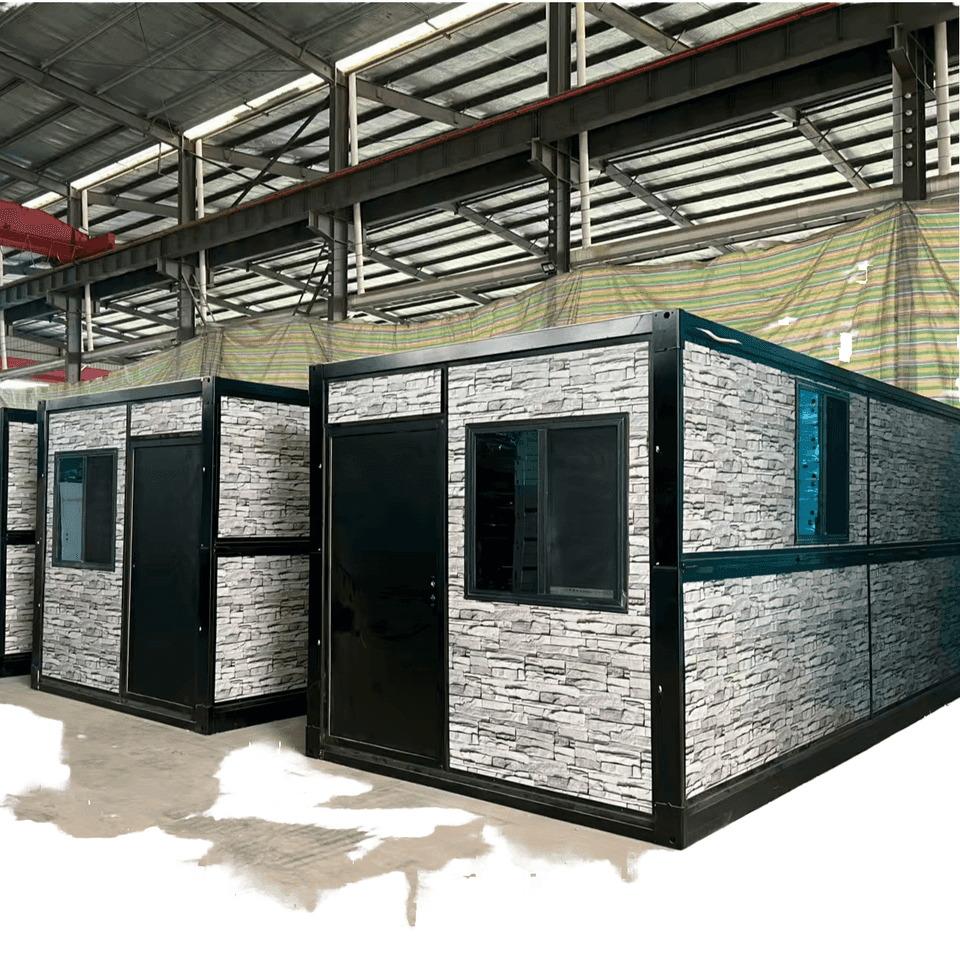
I. Core Responsibilities
Raw Material and Semi-Finished Product Inspection
QC personnel need to conduct quality inspections on the raw materials for container houses (such as steel, color-coated steel sheets, and insulation materials) to ensure they comply with design specifications. For example, they check the strength and thickness of steel and the corrosion resistance of color-coated steel sheets. At the same time, they perform spot checks on semi-finished products during the production process (such as welded components and wall modules) to prevent defects from entering the next process.Production Process Monitoring
- Process Execution Inspection: Supervise whether workers operate according to standard procedures, such as whether welding processes comply with specifications and whether module assembly is precise.
- Key Node Control: Focus on monitoring key processes (such as steel structure welding and waterproofing) to ensure quality compliance. For example, welding points should be free of pores and cracks, and waterproofing adhesive should be applied evenly without omissions.
- Problem Correction and Feedback: When operational violations or quality issues are identified, immediate rectification is required, and the causes of the problems are recorded and fed back to the production department for process optimization.
- Finished Product Testing and Reporting
- Final Inspection: Conduct comprehensive testing on completed container houses, including structural strength, airtightness, and electrical safety. For example, verify waterproofing performance through water spray tests and use professional equipment to test wall sound insulation.
- Data Recording and Reporting: Record testing data in detail and issue quality inspection reports to provide a basis for product shipment. If non-conforming products are found, they need to track the rework or scrap disposal process.
II. Skills and Requirements
- Professional Competence
- Need to have the ability to read drawings (such as CAD drawings) and understand design requirements; be familiar with quality management systems (such as ISO 9001) and relevant standards (such as national and industry standards).
- Master the use of basic testing tools (such as vernier calipers and weld inspection instruments), and some positions may require operation of non-destructive testing equipment (such as X-ray flaw detectors).
- Soft Skills
- Communication and Coordination Skills: Collaborate with production and technical departments to drive the resolution of quality issues.
- Sense of Responsibility and Attention to Detail: Quality control requires rigor to avoid omissions that could lead to safety hazards.
- Stress Resistance: Need to efficiently complete inspection tasks during production peaks to ensure delivery cycles.
III. Industry Differences and Cases
- Salary and Experience Requirements: Salaries vary significantly among different enterprises. For example, the salary for QC personnel at Guangdong Modern Containers ranges from 4.5K to 6K (with 1-3 years of experience and a junior college degree), while some QC positions at Zhangzhou CIMC can reach 7K to 11K (with no experience requirement and a secondary school degree).
- Job Focus: Some enterprises require QC personnel to also handle customer communication (such as inspection accompaniment positions) and address inspection feedback; modular construction enterprises may place greater emphasis on structural safety and integrated testing.



