
Housing Container Business Processing
The processing of container house business usually requires approval, but in some cases, approval may be waived, depending on the nature of the land, its intended use, and local policies. The following provides an explanation from four aspects: the necessity of approval, the approval process, scenarios where approval is not required, and special certification requirements.
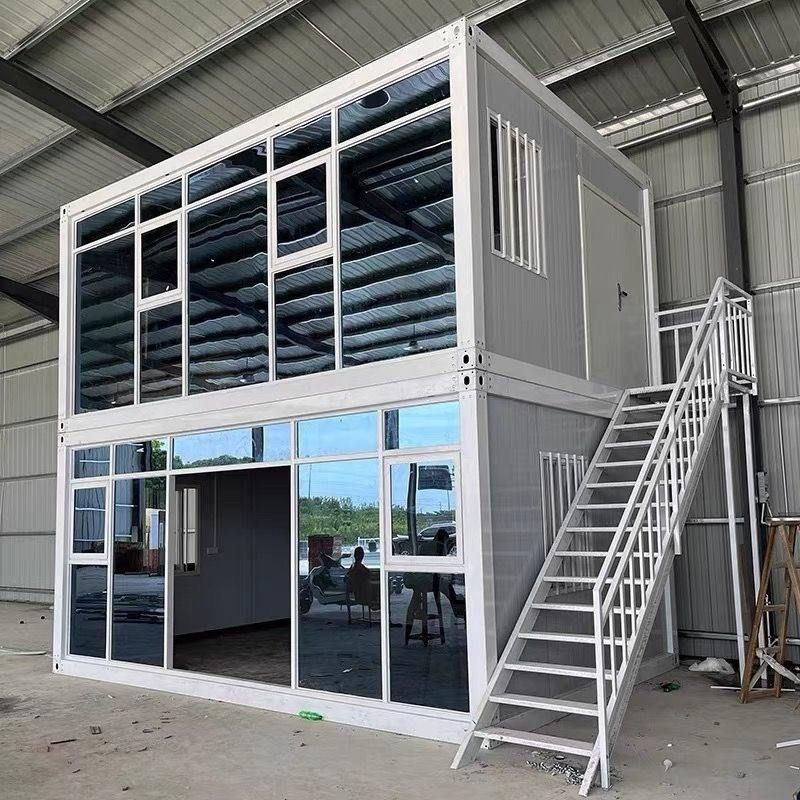
I. Necessity of Approval
Although container houses are temporary and movable, they still fall under the category of buildings when they occupy public space or are used for business purposes. According to Article 25 of the Urban Real Estate Administration Law of the People's Republic of China, real estate development must strictly adhere to urban planning. Therefore, the construction and use of container houses require approval. For example, when used as workers' dormitories on construction sites or as rental housing, they must go through the approval process.
II. Approval Process
- Site Selection and Land Nature Confirmation: Visit the local land bureau to confirm the nature of the land and sign a land contract.
- Planning Filing: After the land bureau completes the site planning, take the relevant documents to the planning bureau for filing and approval procedures.
- Temporary Building Approval: Due to their special structure, container houses are relatively easy to get approval for, with a typical duration of two years, renewable for another two years (usually approved by the urban management bureau or land bureau).
- Government Approval: If used for encouraged industries such as creative parks or cultural tourism, local government approval is required (e.g., Shanghai encourages the secondary green modular application of containers).
III. Scenarios Where Approval Is Not Required
Approval may be waived if the following conditions are met:
- The land use right is owned by an individual and within the red line boundary;
- It does not disturb residents or cause pollution;
- It complies with local policy requirements.
IV. Special Certification Requirements
If container houses are to be exported or used in specific markets, international certifications (such as CE, UL, ETL, CSA, etc.) are required. The certification process is complex and costly, requiring documents such as house drawings, exploded views, material lists, and test reports recognized by the importing country. For example, exporting to Europe requires compliance with multiple directives and regulations regarding building materials, household appliances, and gas appliances.



