
Household Mobile Waterless Packing Toilet
The household mobile waterless packing toilet is a sanitary facility that does not require connection to water, electricity, or sewage systems, is easy to install, and is suitable for various scenarios. Its core features, technical types, and applicability are as follows:
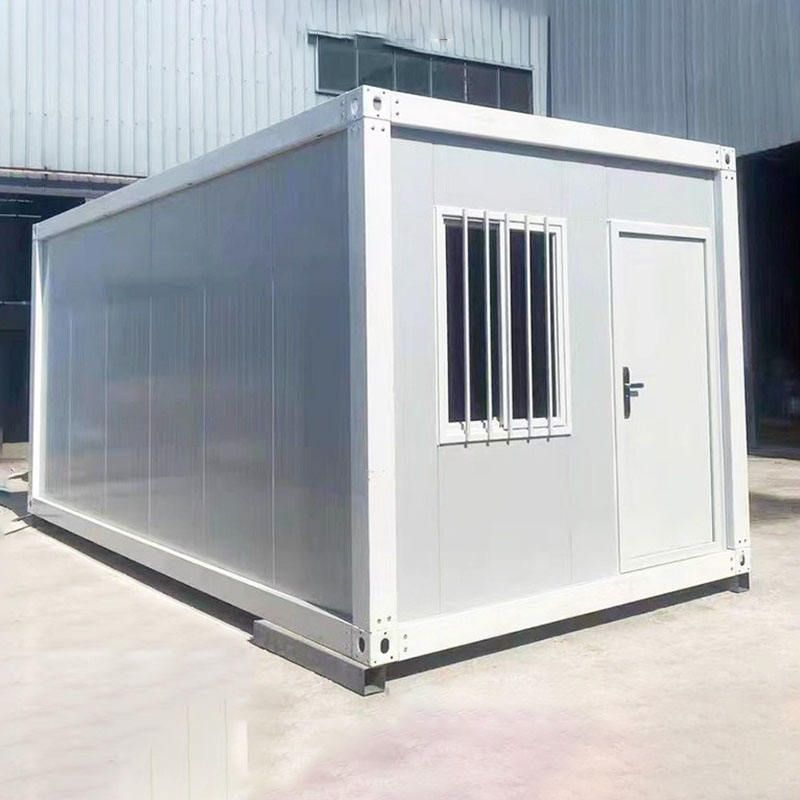
1. Basic Structure and Materials
The household mobile waterless packing toilet typically uses full 304 stainless steel, which is corrosion-resistant and easy to clean, making it suitable for long-term use. Its core components include a packing-type squat toilet and a fecal storage tank: feces are directly collected into the storage tank through biodegradable plastic bags, which can be periodically cleaned without the need for water pipes or sewage connections. Some products are equipped with a foot-operated packing design, where users trigger the sealing device by stepping on it, eliminating the need for hand contact throughout the process, ensuring both hygiene and convenience. Installation simply involves placing the unit on the ground and locking it in place, making it ideal for temporary residences, remote areas, or scenarios with limited access to water and electricity.
2. Technical Types and Functional Differences
- Basic Packing Type: Primarily mechanical in structure, relying on plastic bags to encapsulate feces. This technology is simple, reliable, and cost-effective, but requires regular replacement of the storage tank and disposal of waste.
- Waterless Ecological Type: Utilizes a microcomputer control system and composite microbial technology to biologically degrade solid feces into gases (such as carbon dioxide), while treating urine to meet reclaimed water standards for reuse in toilet flushing or irrigation. This technology is highly eco-friendly but involves a complex system, higher costs, and requires regular maintenance of microbial colonies. It is more suitable for households or ecological projects with high environmental requirements and sufficient budgets.
3. Applicable Scenarios and Selection Recommendations
- Short-term or Temporary Use: For scenarios such as construction site dormitories, outdoor camping, or post-disaster reconstruction, the basic packing type is preferred due to its easy installation, low cost, and lack of need for professional maintenance.
- Long-term or Environmental Needs: If a household is located in a water-scarce area or aims for zero emissions, the waterless ecological type can be considered, but its technical stability and long-term maintenance costs should be evaluated.
- Operational Convenience: The foot-operated packing design significantly enhances hygiene, making it suitable for families with elderly members or children; whereas the ecological type requires operation of a microcomputer system, posing certain demands on user technical acceptance.
4. Limitations
The basic packing type requires regular cleaning of the storage tank, which may produce odors if not handled promptly; the waterless ecological type is sensitive to ambient temperature and microbial activity, with extreme climates potentially affecting degradation efficiency. Additionally, both types of products require proper disposal of waste to avoid environmental pollution.



