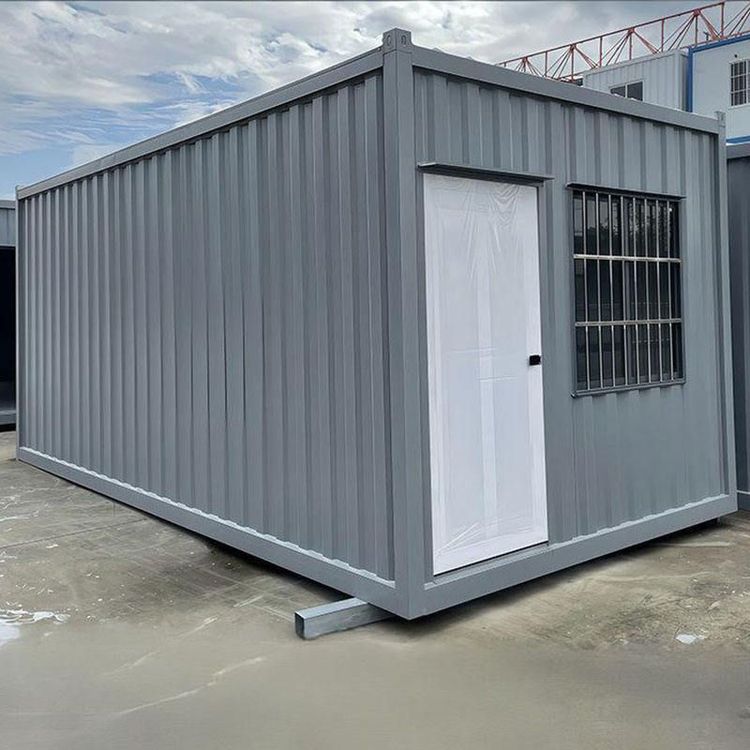
Household Container House
A household container house is a living space transformed from a standard container, featuring flexible adaptability, controllable costs, and strong mobility, suitable for temporary housing, rural living, creative residences, and other scenarios.
1. Structural Performance and Safety
The core frame of a container house is typically made of steel, providing excellent wind and earthquake resistance. For example, Suzhou Zhongnan's packing-box units can withstand wind speeds of up to Level 12 and earthquakes of up to Level 8 under extreme conditions, with a frame deformation rate of only 0.18%, well below the industry's acceptable threshold of 0.3%. When purchasing, it is essential to prioritize verifying the product's wind and earthquake resistance test reports and avoid using unqualified white-label products to ensure living safety.
2. Installation Efficiency and Layout Flexibility
Container houses have a short installation period, making them suitable for scenarios requiring rapid delivery. For instance, Suzhou Zhongnan's quick-assembly units can be installed in just 2 hours per set and can be combined as needed, allowing for the construction of 10 standard dormitories in a single day. Their high layout flexibility allows for adjustments to the spatial form according to needs, making them suitable for high-frequency scenarios such as engineering camps, government and enterprise temporary buildings, and commercial pop-up shops.
3. Cost and Economy
The cost of container houses is relatively low, and they can be reused, making long-term usage costs controllable. Prices vary based on materials, specifications, configurations, and other factors, with multiple options available in the market. For example, Hebei Yitai Metal Products Co., Ltd.'s quick-assembly units cost approximately 149 yuan per square meter, while Suzhou Dongji Integrated Housing Technology Co., Ltd.'s container houses cost around 2090 yuan per set.
4. Applicable Scenarios and Renovation Cases
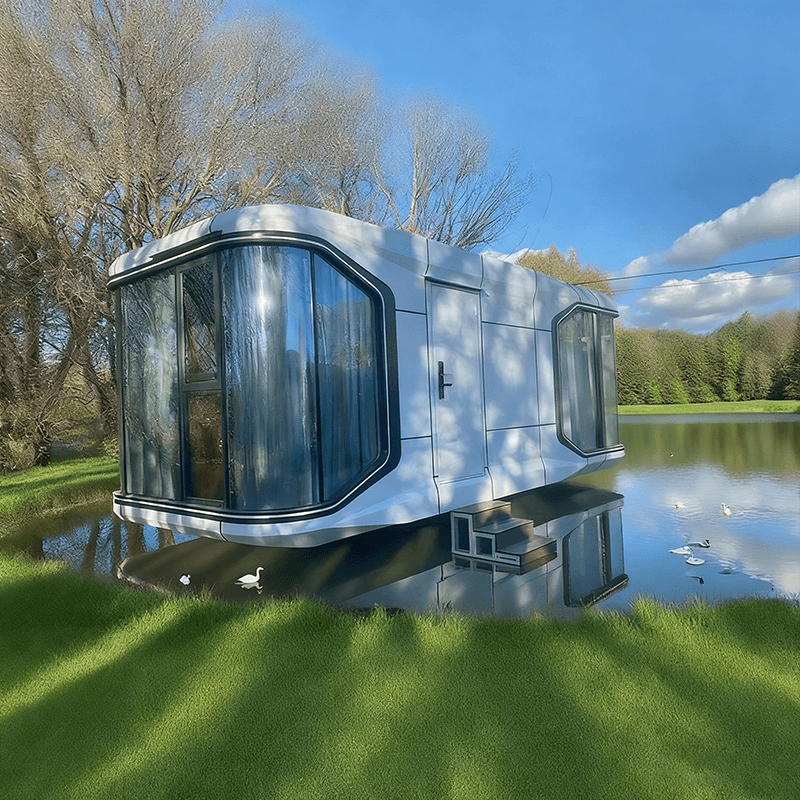
Container houses are not only suitable for temporary housing but can also be renovated for long-term living. For example, a couple transformed a 15-square-meter container into a cozy home, spending less than 110,000 yuan on the overall renovation, which included a living room, kitchen, bedroom, and bathroom. Additionally, containers can be used for rural residences, creative bed-and-breakfasts, mountain hotels, and other scenarios, achieving comfortable living through reasonable planning and design.