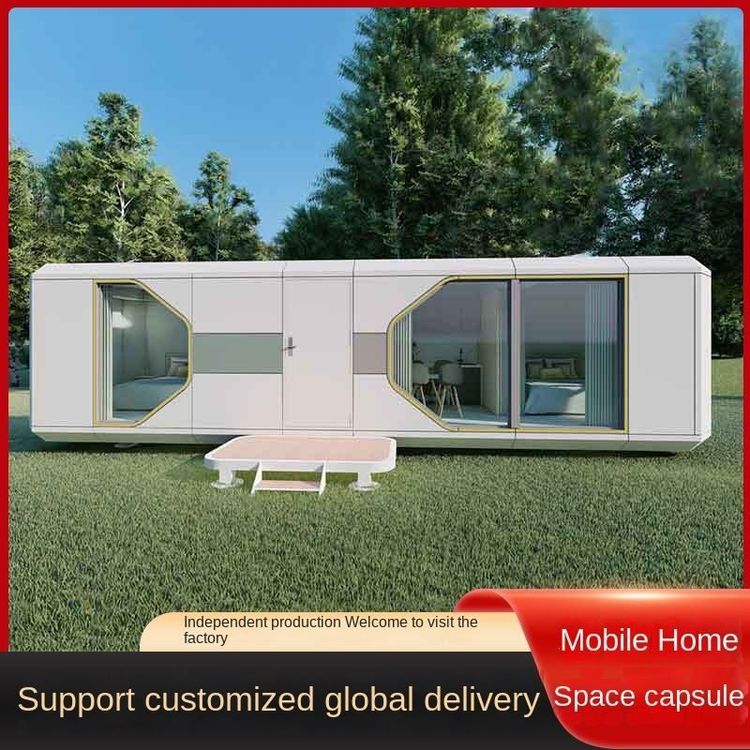
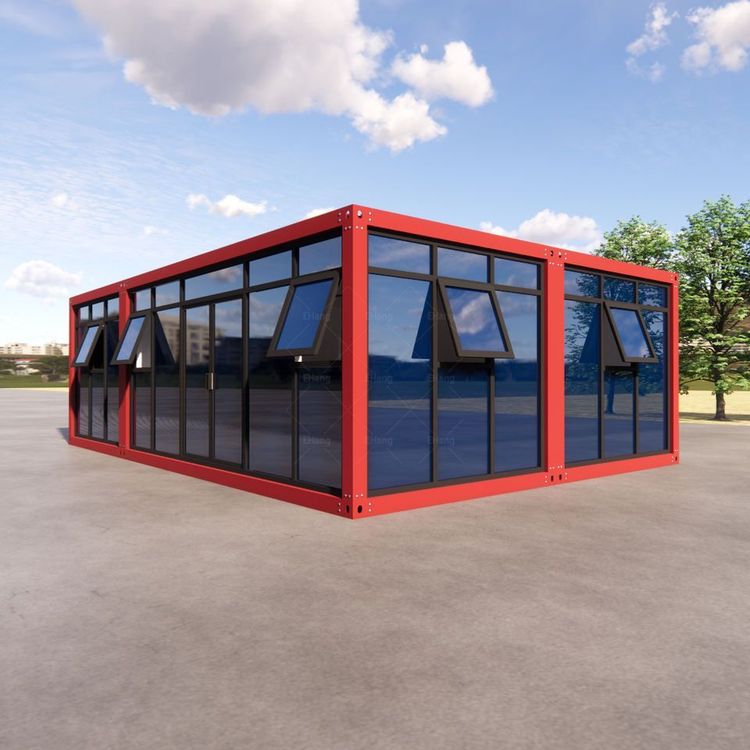
Hotel Portable Toilet
Hotel portable toilets are a specific application of portable toilets in hotel settings, primarily used to meet temporary toilet needs. The following provides an introduction from three aspects: definition, structural characteristics, and application scenarios:
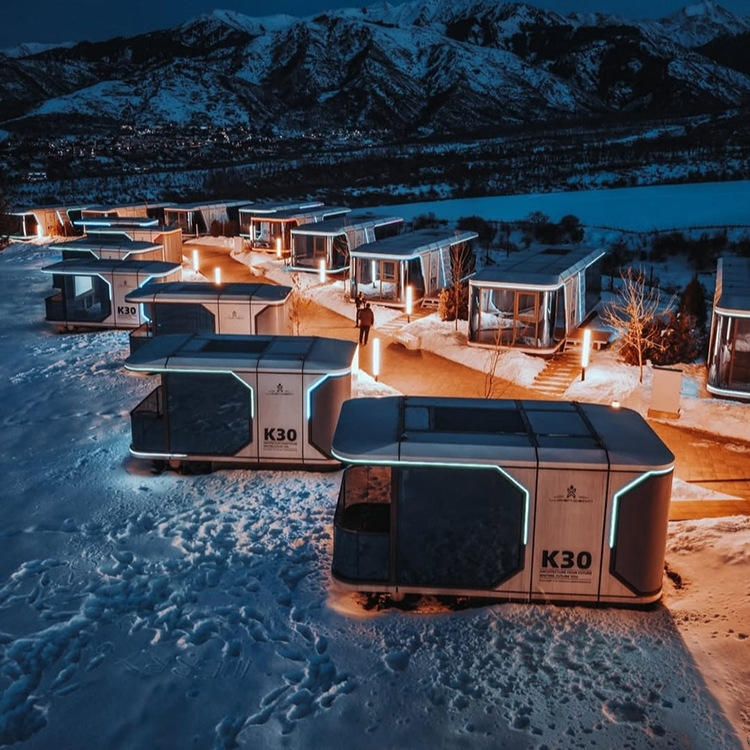
1. Definition and Basic Attributes
Hotel portable toilets are a sub-type of portable toilets, with the core features of being movable as a whole and flexible in deployment. Through modular design, they enable rapid installation and disassembly, allowing adjustments in position or quantity according to the actual needs of the hotel (such as event scale and changes in customer traffic), thereby compensating for service gaps caused by space limitations or long construction periods of fixed toilets. For example, during large-scale conferences, weddings, or peak holiday periods at hotels, portable toilets can be quickly added around banquet halls or in parking areas to alleviate toilet pressure.
2. Structure and Functional Design
Their construction typically includes three core systems:
- Basic Structure: High-strength plastics or lightweight composite materials (such as fiberglass-reinforced plastic and aluminum honeycomb panels) are used to build walls and roofs, ensuring structural strength while reducing weight for easy transportation. The floor should be slip-resistant, easy to clean, and have a drainage slope to prevent water accumulation.
- Sanitary Unit: Standardized sanitary facilities are installed inside, including toilets (squat or sit), handwashing devices (sensor faucets for better hygiene), ventilation systems (forced exhaust or natural ventilation design), and lighting equipment (energy-efficient and bright LED lights). Some high-end models also include hand dryers, deodorization devices, or barrier-free facilities.
- Auxiliary System: A fecal sewage storage tank (suitable for scenarios without sewer systems) or a disposal device directly connected to the municipal sewer network ensures compliant treatment of excreta. Moving devices (such as wheeled chassis or lifting rings) support rapid transportation by forklifts, cranes, and other equipment.
3. Typical Application Scenarios
The use of portable toilets in hotels mainly falls into two categories:
- Temporary Events: For outdoor pool parties, lawn weddings, etc., when fixed toilets are far from the event area, portable toilets can be deployed nearby to shorten the toilet path for guests.
- Infrastructure Renovation: During hotel renovations, when toilets in some areas are temporarily out of service, adding portable toilets ensures basic services and avoids affecting the customer experience due to construction.
In addition, their modular design also supports "one toilet for multiple uses," such as by adding accessories like baby changing tables or first aid kits to quickly convert them into temporary service stations, enhancing the hotel's emergency service capabilities.