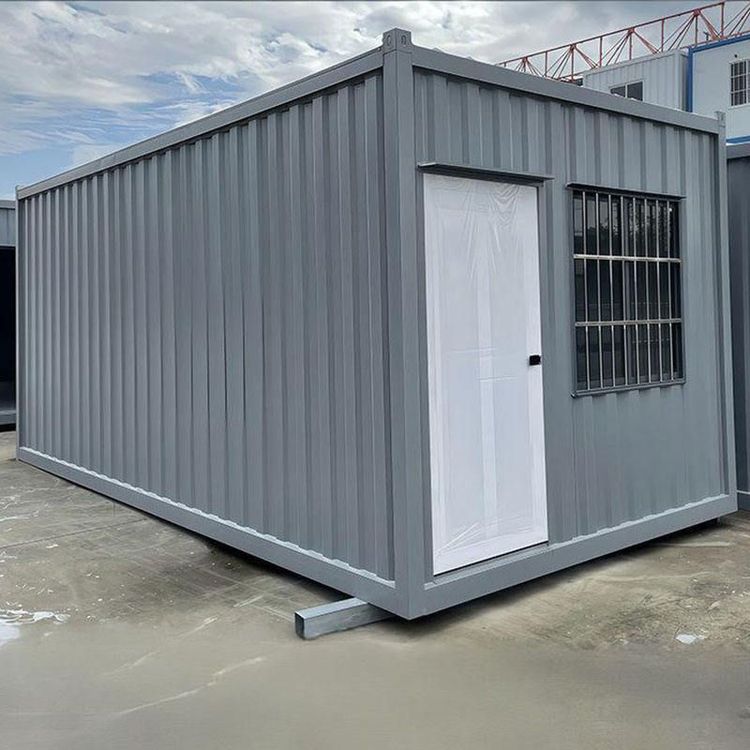
Hotel Container House Production
The production of hotel container houses requires comprehensive consideration of multiple factors such as design, materials, structure, installation, and environmental protection.

Design Phase: Determine the layout, functional zoning, and exterior styling of the container house based on the hotel's positioning and usage requirements. For example, it can be designed as a single-story or multi-story structure, with internal divisions for guest rooms, bathrooms, and public areas, while also considering lighting, ventilation, and sound insulation. Some cases enhance aesthetics and comfort by adding large floor-to-ceiling windows or redesigning the roof shape.
Material Selection: Use steel structures as the main framework to ensure load-bearing capacity and earthquake resistance. Walls and roofs can be made of color-coated steel plates, corrugated plates, or composite insulation materials, balancing strength and thermal insulation. For instance, a company in Baotou dispersed loads by adding C-shaped steel purlins between the bottom beams, allowing stacked containers to remain stable up to three stories high; surface coatings of zinc-rich primer and polyurethane topcoat extended the service life of steel in harsh environments to over 15 years.
Structural Optimization: Improve upon the shortcomings of directly modified traditional containers. For example, address insufficient floor stiffness by increasing the spacing of longitudinal beams or adding auxiliary support structures to enhance load-bearing capacity; adopt air-gap thermal insulation design to improve sound and thermal insulation, with some products achieving a durability of over 20 years.
Installation Process: Prefabricate standardized components in the factory for rapid on-site assembly, shortening construction time. For example, a company in Hangzhou improved installation efficiency by 60% compared to traditional buildings through modular design, while also offering easy transportation and strong relocatability. During installation, ensure secure connections, concealed wiring for water and electricity, and complete interior and exterior decoration.
Environmental Protection and Sustainability: Prioritize the use of recyclable materials to reduce construction waste. Some companies reduce pollution by using galvanized steel and eco-friendly coatings, while designing detachable structures for easy later modification or recycling. For example, a customized insulated mobile container house by a company in Qingdao emphasizes a low-carbon concept, with a service life of 30 years and recyclability.
Customized Services: Provide personalized solutions based on site conditions and customer preferences, including size adjustments, styling design, and functional expansions. For example, a company in Shaanxi can produce standard 3m x 6m containers or irregular shapes, integrating multiple uses such as office, accommodation, and commercial spaces, along with supporting facilities like guardhouses and sentry boxes.